Starlink Uganda Coverage
Check Starlink Uganda coverage in 2026, including Kampala, Entebbe, Jinja, Mbarara, Gulu and rural areas, plus how to verify your exact address.

Starlink Kenya Prices
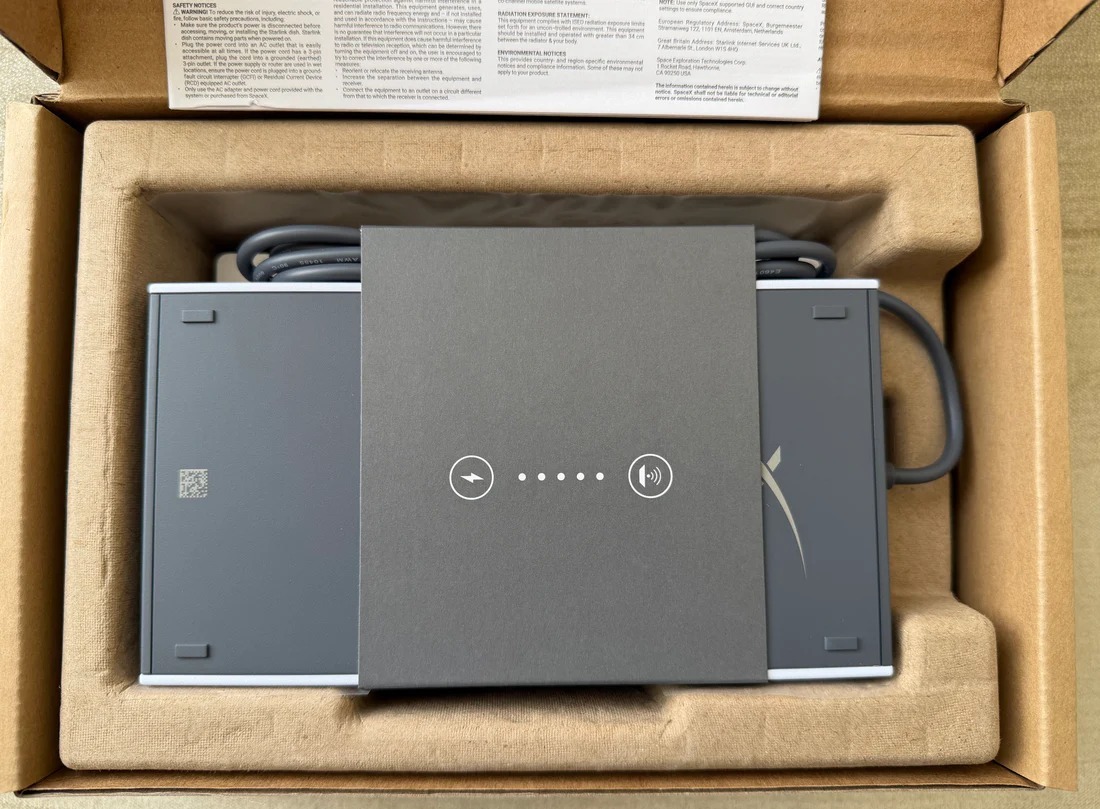


Starlink Uganda Coverage 2026: Availability, Cities and Rural Areas
Last updated: September 2026
Starlink Uganda coverage is now a major topic for households, businesses, farms, schools, hotels, NGOs and remote projects looking for reliable broadband outside conventional fibre and mobile-network areas. Starlink commercially launched in Uganda on September 2, 2026, following regulatory approval earlier in the year, giving customers across the country access to low Earth orbit satellite internet subject to service-address availability and local network capacity.
Unlike traditional fibre or mobile broadband, Starlink does not require a fibre cable to reach your building or a nearby mobile tower to provide the final internet connection. Instead, the Starlink terminal communicates with satellites overhead. This gives Starlink an important geographical advantage, particularly in rural areas where fixed broadband infrastructure is limited. However, national commercial availability does not mean every individual property will always have identical plans, capacity or immediate activation.
This guide explains Starlink Uganda coverage in 2026, including availability in Kampala, Entebbe, Jinja, Mbarara, Gulu, Mbale, Fort Portal, Hoima, Arua and rural Uganda. It also explains how to check your exact address, why network capacity matters, how trees and buildings affect practical coverage, and the difference between Residential and Roam availability. For the complete service overview, read our Starlink Uganda guide. You can also compare Starlink Uganda Prices, Starlink Uganda Packages, and Starlink Uganda Speed.
1. Is Starlink Available in Uganda?
Yes.
Starlink is commercially available in Uganda as of September 2026.
Uganda officially cleared Starlink to begin operations on May 15, 2026, following an agreement involving Starlink and the Uganda Communications Commission. Commercial service subsequently went live on September 2, 2026.
This means older articles saying Starlink is not licensed or not commercially available in Uganda are now outdated.
However, customers should still verify their exact service address.
Starlink's plan eligibility depends on factors including:
-
network capacity;
-
regulatory approval;
-
local demand;
-
customer address;
-
account type;
-
hardware.
Starlink itself states that service-plan offerings vary based on these factors and that the available options shown to a customer are filtered according to their service address and account.
2. Does Starlink Cover the Whole of Uganda?
Starlink's satellite architecture potentially allows broad geographical reach across Uganda.
However, saying that Starlink is commercially available nationwide is not the same as guaranteeing that every individual address has identical immediate service availability.
A customer may encounter:
-
available service;
-
limited plan choice;
-
capacity restrictions;
-
different hardware options;
-
temporarily unavailable plans.
This is why address-level checking is essential.
Ugandan customers ordering Starlink are required to enter their location before selecting service and equipment.
The safest way to describe Starlink Uganda coverage is therefore:
Starlink is commercially available in Uganda, but customers should verify the exact service address and current plan availability before purchasing equipment.
3. How to Check Starlink Uganda Coverage
The process is straightforward.
Before ordering:
-
open the official Starlink Uganda ordering process;
-
enter your exact service location;
-
allow Starlink to check service eligibility;
-
review available plans;
-
compare hardware options;
-
confirm pricing before paying.
Launch reporting confirms that customers must first enter their location to confirm availability before selecting a monthly plan and Mini or Standard hardware.
Do this before purchasing a Starlink terminal from any seller.
4. Why Exact Address Availability Matters
Satellite coverage can sound like a simple yes-or-no concept.
In reality, Starlink also has to manage network capacity.
Every satellite and ground-network segment has finite capacity.
If too many customers are using a particular service area, Starlink may adjust:
-
new customer availability;
-
service-plan options;
-
traffic priority;
-
performance.
Starlink says the plans available to a customer can depend on local network capacity and demand.
Therefore, even if a friend nearby has Starlink, you should still verify your own address.
5. Starlink Coverage in Kampala
Starlink can be an important connectivity option in Kampala.
Kampala already has:
-
fibre internet;
-
4G;
-
5G;
-
fixed wireless services.
This means Starlink is not necessarily the only broadband option.
Its strongest Kampala use cases may include:
-
backup internet;
-
properties without fibre;
-
businesses requiring connectivity diversity;
-
hard-to-reach buildings;
-
temporary project sites.
A company with fibre may use Starlink as a secondary WAN connection.
For example:
Fibre → Primary Internet
Starlink → Backup Internet
A suitable router can automatically switch traffic when the primary connection fails.
Businesses can explore MikroTik routers for advanced failover and multi-WAN designs.
6. Starlink Coverage in Entebbe
Entebbe can benefit from Starlink for:
-
homes;
-
offices;
-
tourism businesses;
-
hotels;
-
logistics operations;
-
remote compounds.
The service-address check should still be completed before ordering.
Entebbe also has areas with mature trees and large compounds, making terminal placement particularly important.
Satellite network availability may be good, but trees can still reduce the quality of the actual connection at the property.
7. Starlink Coverage in Jinja
Starlink can potentially serve customers in Jinja and surrounding areas.
Possible users include:
-
homes;
-
businesses;
-
tourism properties;
-
schools;
-
farms;
-
industrial sites.
Jinja customers should compare Starlink against locally available fibre and mobile broadband.
Where fibre exists, customers may use Starlink as backup.
Where fixed broadband is limited, Starlink can become the primary connection.
8. Starlink Coverage in Mbarara
Mbarara and surrounding western Uganda can present strong Starlink use cases.
Applications include:
-
residential internet;
-
farms;
-
hotels;
-
schools;
-
businesses;
-
field projects.
Agricultural properties outside dense urban infrastructure may particularly benefit from satellite connectivity.
The Starlink connection can then be distributed around the farm using:
-
outdoor wireless links;
-
Ethernet;
-
fibre;
-
access points.
9. Starlink Coverage in Gulu
Starlink can provide another broadband option for customers in Gulu and surrounding northern Uganda.
Potential users include:
-
businesses;
-
NGOs;
-
schools;
-
health facilities;
-
field offices;
-
homes.
NGOs and organisations operating outside major towns may find satellite connectivity particularly useful where mobile or fibre infrastructure becomes limited.
10. Starlink Coverage in Mbale
Starlink can be considered by users in Mbale for both fixed and remote connectivity.
Homes and businesses should enter their exact address before ordering.
Properties outside the town centre may find Starlink particularly useful where terrestrial broadband coverage is weaker.
11. Starlink Coverage in Fort Portal
Fort Portal and the surrounding tourism region can benefit from satellite broadband.
Potential Starlink users include:
-
lodges;
-
hotels;
-
farms;
-
homes;
-
tourism businesses;
-
remote offices.
One important issue is vegetation.
Western Uganda can have significant tree cover, so a Starlink terminal may need to be installed:
-
on a roof;
-
on a pole;
-
above nearby vegetation.
The Starlink Installation Uganda guide explains obstruction planning in more detail.
12. Starlink Coverage in Hoima
Hoima has expanding commercial and industrial activity, including projects outside dense urban areas.
Starlink can potentially support:
-
temporary project offices;
-
remote facilities;
-
construction sites;
-
companies;
-
residential properties.
Businesses should design Starlink as part of the complete network rather than treating the satellite dish as the entire system.
13. Starlink Coverage in Arua
Arua and north-western Uganda can present strong use cases for satellite internet because terrestrial connectivity can vary considerably outside larger urban areas.
Potential users include:
-
NGOs;
-
schools;
-
businesses;
-
rural homes;
-
project offices.
Field organisations should compare fixed Residential and mobility requirements carefully.
14. Starlink Coverage in Kabale
Kabale's terrain can make terrestrial network planning challenging in some areas.
Satellite connectivity reduces dependence on the physical distance to a mobile tower or fibre route.
However, terrain does not completely eliminate installation issues.
Nearby hills are generally different from immediate obstructions such as:
-
tall trees;
-
buildings;
-
roof structures.
The most important installation issue remains the terminal's local view of the sky.
15. Starlink Coverage in Masaka
Customers in Masaka can check Starlink availability for:
-
homes;
-
farms;
-
businesses;
-
schools;
-
hospitality properties.
As with other towns, the correct approach is to check the actual address before purchasing equipment.
16. Starlink Coverage in Soroti
Starlink can potentially provide broadband in Soroti and surrounding areas.
The service can be particularly valuable for users beyond dense fixed-network infrastructure.
Applications may include:
-
education;
-
agriculture;
-
business;
-
field operations;
-
rural households.
17. Starlink Coverage in Rural Uganda
Rural Uganda is one of the strongest potential use cases for Starlink.
Uganda's government highlighted the role satellite connectivity could play in expanding internet access when Starlink was cleared for operations in May 2026.
Traditional broadband infrastructure often depends on population density.
An ISP may find it economically difficult to run kilometres of fibre to one isolated property.
Starlink changes that equation.
The satellite infrastructure is already overhead.
The customer primarily needs:
-
eligible service;
-
hardware;
-
power;
-
suitable sky visibility.
18. Can Starlink Work Where There Is No Mobile Network?
Potentially, yes.
Starlink does not depend on the same final-mile mobile tower connection as 4G or 5G.
This makes it attractive in mobile dead zones.
A property can potentially receive Starlink even where phone signal is weak, provided:
-
Starlink service is available;
-
the terminal has suitable satellite visibility;
-
power is available.
This is a major advantage for remote projects.
19. Does Starlink Need Fibre Coverage?
No.
Starlink does not require fibre to reach the customer's property.
That is one of its main advantages.
A remote location can potentially receive broadband without trenching or extending fibre for kilometres.
20. Does Starlink Need a Mobile Tower Nearby?
No.
The user's terminal communicates with Starlink's satellite network rather than using a conventional mobile tower for the customer access link.
This makes Starlink fundamentally different from:
-
4G routers;
-
5G routers;
-
mobile hotspots.
21. What Can Prevent Starlink From Working at My Property?
National coverage does not guarantee perfect local installation conditions.
The main physical issues include:
-
trees;
-
buildings;
-
roof structures;
-
poor terminal placement.
Even where network coverage exists, an obstructed terminal can experience frequent interruptions.
This is why coverage should be considered at two levels:
network availability
and
physical site suitability.
22. Trees and Starlink Coverage
Trees do not change whether Starlink serves Uganda.
But they can dramatically affect the experience at one property.
A terminal underneath dense tree cover may repeatedly lose satellite visibility.
Customers in heavily vegetated areas should use the Starlink obstruction-checking tool before permanent installation.
Possible solutions include:
-
moving the terminal;
-
roof mounting;
-
pole mounting.
23. Buildings and Starlink Coverage
Urban users can face obstruction problems from nearby buildings.
This may happen in:
-
Kampala;
-
Entebbe;
-
Jinja;
-
other dense areas.
A rooftop installation may provide a clearer sky view than placing the terminal in a courtyard or balcony.
24. Does Weather Affect Coverage?
Weather generally affects performance rather than national service availability.
Starlink is designed for outdoor operation, but very severe weather can temporarily affect satellite links.
Correct installation is still important.
A clear and securely mounted terminal performs better than a badly positioned one regardless of coverage.
25. Residential Starlink Coverage Uganda
Residential plans are intended for use at a fixed land-based service location.
Starlink states that Residential offerings vary by region and that plan availability depends on the location.
This means customers should not assume a Residential plan purchased for one address can be freely used everywhere.
26. Residential Lite Coverage Uganda
Residential Lite can be offered where Starlink has made the plan available for the relevant service address.
Its availability is not necessarily identical everywhere.
Starlink's plan eligibility system filters the available services based on:
-
address;
-
account;
-
hardware;
-
capacity.
Therefore, if Lite does not appear when checking your address, do not assume an article or another customer's account guarantees you access to it.
27. Starlink Roam Coverage Uganda
Roam is different from Residential.
Starlink instructs customers to check Roam availability by selecting their country through its Roam ordering process. If the country is available, the applicable mobility options are displayed.
Roam can be attractive for:
-
travellers;
-
safari operators;
-
field teams;
-
temporary projects.
However, Roam availability should not automatically be treated as permission for unrestricted in-motion use.
28. Is In-Motion Starlink Approved in Uganda?
This requires caution.
Starlink maintains a separate list of markets approved for in-motion use. At the time checked, Uganda was not listed among the approved in-motion markets in Starlink's published support page.
That means customers should not assume that using Starlink while a vehicle is moving is currently authorised in Uganda, even if a Roam plan or portable Mini service is otherwise available.
This distinction is important for:
-
safari vehicles;
-
buses;
-
mobile field operations.
Portable use while stationary and in-motion use are not necessarily the same thing.
29. Starlink Mini Coverage Uganda
The Starlink Mini is particularly useful where portability matters.
Potential uses include:
-
temporary camps;
-
safari stops;
-
field sites;
-
rural projects.
However, Mini coverage still depends on the applicable service plan and location.
The hardware itself does not create service availability.
For pricing information, see Starlink Mini Price Uganda.
30. Starlink Standard Coverage Uganda
The Standard Kit is generally the more natural fixed-site choice.
It can be used at:
-
homes;
-
offices;
-
lodges;
-
schools;
-
farms.
The address still needs to qualify for the intended plan.
For hardware details, see Starlink Standard Kit Price Uganda.
31. Starlink Coverage for Businesses
Businesses can consider Starlink coverage for:
-
branch offices;
-
remote facilities;
-
construction sites;
-
hotels;
-
farms;
-
warehouses.
Starlink can operate as:
-
primary connectivity;
-
backup connectivity.
Where fibre is already available, Starlink's value may be redundancy.
32. Starlink Coverage for Hotels
Hotels and lodges can benefit strongly from Starlink in locations where conventional broadband is weak.
A remote lodge may have excellent Starlink coverage but still need additional networking equipment to reach:
-
guest rooms;
-
restaurant;
-
reception;
-
staff offices.
Businesses can browse networking equipment for access points and other infrastructure.
33. Starlink Coverage for Safari Lodges
Safari lodges are particularly relevant because they are often located away from dense telecom infrastructure.
The main issues become:
-
service availability;
-
trees;
-
power;
-
internal Wi-Fi.
Starlink can solve the internet backhaul problem while professional networking distributes the connection around the lodge.
34. Starlink Coverage for Farms
Farms can benefit because satellite coverage is not dependent on fibre reaching the property.
However, one Starlink terminal will not cover an entire large farm with Wi-Fi.
The internet may need to be distributed using:
-
outdoor links;
-
fibre;
-
multiple access points.
For related equipment, browse Network Switch Kenya and MikroTik Kenya.
35. Starlink Coverage for Schools
Remote schools can use Starlink for:
-
online learning;
-
digital libraries;
-
teacher training;
-
administration.
The school still needs internal network coverage.
A satellite link at the administration block does not automatically provide Wi-Fi to every classroom.
36. Starlink Coverage for NGOs
NGOs working across Uganda can benefit from satellite connectivity at:
-
rural offices;
-
refugee-response operations;
-
field projects;
-
temporary camps.
Fixed and mobility requirements should be evaluated separately.
37. Starlink Coverage for Construction Sites
Construction projects can use Starlink where fixed infrastructure has not yet been installed.
Applications include:
-
CCTV;
-
site-office internet;
-
cloud project tools;
-
communications.
The service is particularly attractive for temporary projects.
38. Starlink Uganda Coverage vs MTN
MTN's coverage depends on terrestrial infrastructure such as:
-
mobile towers;
-
fibre routes.
Starlink uses a satellite-based access network.
This means the two services can have very different strengths depending on location.
Where MTN has strong fibre or 5G, terrestrial internet may provide excellent performance.
Where terrestrial infrastructure is weak, Starlink may become more attractive.
39. Starlink Uganda Coverage vs Airtel
The same principle applies to Airtel.
Mobile connectivity depends heavily on:
-
local tower coverage;
-
signal;
-
congestion.
Starlink depends more heavily on:
-
satellite network capacity;
-
sky visibility;
-
service eligibility.
The best choice depends on the exact property.
40. Starlink Uganda Coverage vs Fibre
Fibre requires a physical route to the building.
Starlink does not.
This gives Starlink a clear geographical advantage in remote areas.
Fibre may still provide:
-
lower latency;
-
higher consistency;
-
very high capacity
where it already exists.
The technologies are therefore complementary rather than automatically mutually exclusive.
41. Can Starlink Be Used as Backup Internet Anywhere in Uganda?
Where Starlink service is available at the location, it can potentially be integrated into a backup network.
A business can use:
Fibre → WAN 1
Starlink → WAN 2
with a suitable multi-WAN router.
This provides connectivity diversity.
42. Starlink Coverage and MikroTik
MikroTik equipment can manage Starlink connectivity after the satellite link reaches the site.
For example:
Starlink → MikroTik Router → Managed Switch → Access Points
This can support:
-
failover;
-
VLANs;
-
bandwidth management;
-
hotspots.
For managed hotspots, Tajira can also support suitable subscriber-management environments.
43. Does Starlink Coverage Mean Good Wi-Fi Everywhere?
No.
This is a critical distinction.
Starlink coverage refers to the satellite service.
Wi-Fi coverage refers to your local wireless network.
You could have excellent Starlink satellite connectivity at the router and poor Wi-Fi in another part of the building.
44. Improving Wi-Fi After Installing Starlink
Large properties may need:
-
mesh systems;
-
additional access points;
-
Ethernet;
-
managed switches.
Do not relocate the Starlink terminal into an obstructed area simply to improve indoor Wi-Fi.
Instead, keep the terminal where satellite visibility is best and improve the local network separately.
45. Can Starlink Cover Multiple Buildings?
The Starlink service can feed a local network serving multiple buildings.
However, this requires proper distribution infrastructure.
Possible methods include:
-
point-to-point wireless bridges;
-
fibre;
-
Ethernet where distances allow.
A lodge or school should design this professionally.
46. Starlink Coverage and Network Capacity
Satellite coverage does not mean infinite capacity.
Starlink manages user demand across its network.
This can influence:
-
plan availability;
-
speed;
-
new subscriptions.
Starlink explicitly says service-plan availability can depend on network capacity and local demand.
This is why address-level availability can change over time.
47. Can an Area Become Full?
Yes, network capacity can become constrained.
A service that was available earlier may not always have the same plan availability later.
Likewise, additional satellite capacity can eventually improve availability.
Customers planning an important project should verify current status rather than relying on an old screenshot.
48. Does Starlink Coverage Improve Over Time?
It can.
Starlink continues to launch satellites and expand network infrastructure.
Capacity and service options can therefore evolve.
That means an area with limited service today may have more options later.
49. Does Starlink Uganda Need a Ground Station?
The user does not need to install a ground station.
The customer only installs the Starlink terminal and local networking equipment.
Starlink's wider network handles the satellite and gateway infrastructure.
50. Starlink Uganda Coverage for Border Areas
Customers near Uganda's borders should still use a valid Uganda service address if operating under an Uganda account.
Do not assume proximity to another country changes account or service rules.
Cross-border use can have different service conditions.
51. Can You Use a Kenyan Starlink Kit in Uganda?
Physical coverage and account activation are different questions.
A terminal from Kenya may still require:
-
ownership transfer;
-
account release;
-
Uganda eligibility.
Do not buy cross-border hardware solely because the satellite signal exists.
Read our How to Buy Starlink in Uganda guide first.
52. How to Check Coverage Before Buying a Used Kit
Before buying:
-
check your Uganda service address;
-
confirm the intended plan is available;
-
verify the used terminal can be transferred;
-
confirm activation eligibility.
Do this before paying the seller.
53. Starlink Uganda Coverage for Remote Tourism
Remote tourism is one of the strongest use cases.
Locations such as:
-
safari camps;
-
eco-lodges;
-
remote guest houses
may be far from fibre infrastructure.
Starlink can provide the backhaul while additional network equipment serves guests.
For broader satellite deployment information, readers can explore Satellite Internet Installers, SpaceLink Kenya, and Starlite Internet Kenya.
54. Starlink Coverage and Power Availability
Satellite coverage alone is not enough.
The system needs electrical power.
Remote deployments should consider:
-
grid reliability;
-
UPS;
-
inverter;
-
batteries;
-
solar.
A rural property with excellent Starlink coverage still goes offline if the equipment loses power.
55. Starlink Coverage and Solar Power
Solar power can make Starlink particularly useful at remote sites.
A solar system can support:
-
Starlink terminal;
-
router;
-
switches;
-
Wi-Fi access points.
The system should be properly sized around actual power consumption.
56. Starlink Uganda Coverage Map: What It Really Means
Coverage maps are useful for understanding broad service availability.
But they should not replace the actual address check.
A national map may show Uganda as available while:
-
a particular plan is unavailable;
-
local capacity is limited;
-
an address has different hardware options.
Use maps for general guidance and the order page for final availability.
57. Why Another Person's Starlink Availability May Differ From Yours
Two users may see different options because of:
-
address;
-
capacity;
-
account type;
-
hardware;
-
demand.
Starlink explicitly says eligible service plans are filtered according to these factors.
Therefore, screenshots shared online are not guaranteed to represent your account.
58. Common Starlink Coverage Mistakes
Assuming national launch means every address is identical
Always check your address.
Buying equipment before checking coverage
Check service first.
Confusing satellite coverage with Wi-Fi coverage
They are different.
Ignoring trees
Obstructions can make a technically covered site perform poorly.
Assuming Roam means legal in-motion use
The rules can differ.
Assuming another customer's plan will appear for you
Eligibility depends on location and account.
59. Frequently Asked Questions About Starlink Uganda Coverage
Is Starlink available in Uganda?
Yes. Commercial service launched in Uganda on September 2, 2026 following regulatory approval earlier in the year.
Does Starlink cover all of Uganda?
Starlink is commercially available in Uganda, but customers should check their exact service address because plan availability depends on factors including network capacity and local demand.
Is Starlink available in Kampala?
Customers in Kampala can check their exact address through the Starlink ordering process.
Is Starlink available in rural Uganda?
Satellite connectivity is particularly relevant to rural areas because it does not require fibre to reach the property. Exact service availability should still be confirmed by address.
Does Starlink work without mobile coverage?
Potentially, yes. Starlink does not depend on a nearby mobile tower for the user's final internet connection.
Does Starlink need fibre?
No. The user terminal connects through Starlink's satellite network.
Can trees affect Starlink coverage?
Yes. Trees can obstruct the terminal's view of satellites and cause interruptions.
Is Starlink Roam available everywhere in Uganda?
Customers should check the current Roam ordering options for Uganda. Starlink says country-specific Roam availability is shown during the ordering process.
Can Starlink be used while driving in Uganda?
Do not assume so. Uganda was not listed on Starlink's current published approved in-motion market list at the time checked.
Where can I learn more?
Read our Starlink Uganda, Starlink Uganda Prices, Starlink Uganda Packages, Starlink Uganda Speed, and Starlink Installation Uganda guides.
60. Conclusion: Understanding Starlink Uganda Coverage
Starlink Uganda coverage gives homes, businesses, schools, farms, NGOs and remote projects a new way to access broadband without requiring a fibre connection to reach the property. Starlink commercially launched in Uganda on September 2, 2026 after the Uganda Communications Commission and Starlink completed the country's regulatory approval process earlier in the year.
Customers should nevertheless distinguish between national service availability and individual address availability. Starlink says service plans depend on network capacity, regulatory conditions, local demand, hardware and the customer's service address. That means Kampala, Entebbe, Jinja, Mbarara, Gulu, Mbale, Fort Portal and rural customers should all verify the actual installation location before purchasing equipment.
For the complete picture, read our Starlink Uganda guide, compare Starlink Uganda Prices, review Starlink Uganda Packages, check Starlink Uganda Speed, and follow our Starlink Installation Uganda guide. You can also browse Starlink kits from Orbitlink Solutions, explore networking equipment, or contact Orbitlink Solutions when planning Starlink hardware, Wi-Fi, routing or switching requirements.