Starlink Standard Kit Price Uganda
See the Starlink Standard Kit price in Uganda in 2026, including hardware, regulatory fee, delivery, monthly plans, installation and first-year cost.

Starlink Kenya Prices
Starlink Standard Kit Price Uganda 2026: Cost, Packages and Installation
Last updated: September 2026
The Starlink Standard Kit price in Uganda is an important consideration for households, businesses, schools, lodges and remote sites looking for a permanent satellite internet connection. Following Starlink’s commercial launch in Uganda on September 2, 2026, customers can now compare the Standard Kit with the smaller Starlink Mini and choose the hardware that best fits their installation, usage and budget.
At launch, the Starlink Standard Kit price in Uganda was reported at approximately UGX 1,743,778 before regulatory and delivery charges. After adding a reported regulatory charge of UGX 437,036 and delivery of UGX 115,741, the estimated upfront amount increased to about UGX 2,296,555 before the monthly subscription, installation and optional networking equipment.
This guide explains the complete Starlink Standard Kit price Uganda buyers should consider in 2026, including hardware cost, monthly plans, installation, accessories, first-year expenses and how Standard compares with Starlink Mini. For a complete overview of the service, read our main Starlink Uganda guide. You can also compare all costs in our Starlink Uganda Prices article, review Starlink Uganda Packages, and compare the smaller terminal in our Starlink Mini Price Uganda guide.
1. How Much Is the Starlink Standard Kit in Uganda?
The reported September 2026 base price of the Standard Kit was:
UGX 1,743,778
This was the hardware cost before additional charges.
The reported checkout also included:
-
UGX 437,036 regulatory charge
-
UGX 115,741 delivery charge
This brought the estimated upfront Standard Kit total to:
UGX 2,296,555
before monthly service and optional installation.
That distinction matters because customers often search for the dish price and assume the advertised hardware amount is the complete cost.
It is not.
2. Starlink Standard Kit Uganda Price Breakdown
A simple launch-price breakdown looks like this:
| Cost item | Reported amount |
|---|---|
| Starlink Standard Kit | UGX 1,743,778 |
| Regulatory charge | UGX 437,036 |
| Delivery | UGX 115,741 |
| Approximate upfront total | UGX 2,296,555 |
The total does not include:
-
monthly internet subscription;
-
professional installation;
-
optional mounts;
-
extra Wi-Fi access points;
-
switches;
-
advanced routers;
-
backup power.
This is why buyers should calculate the complete Starlink installation budget rather than concentrating only on the dish price.
3. What Comes With the Starlink Standard Kit?
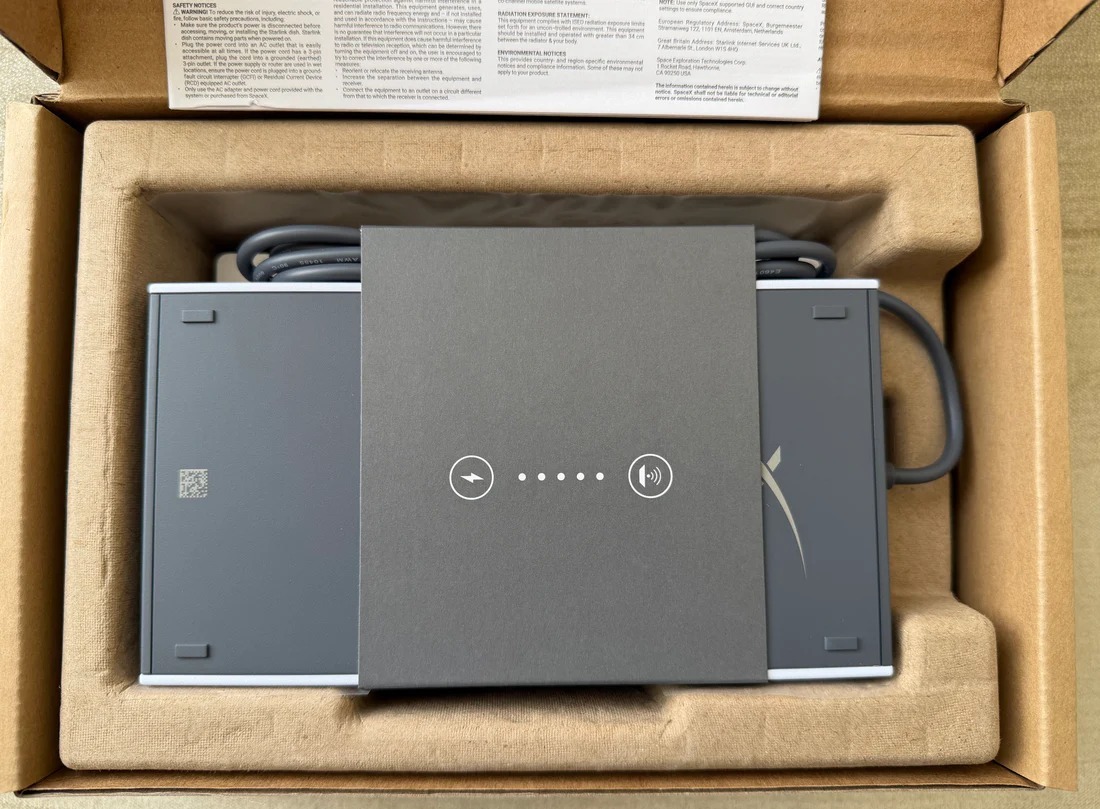
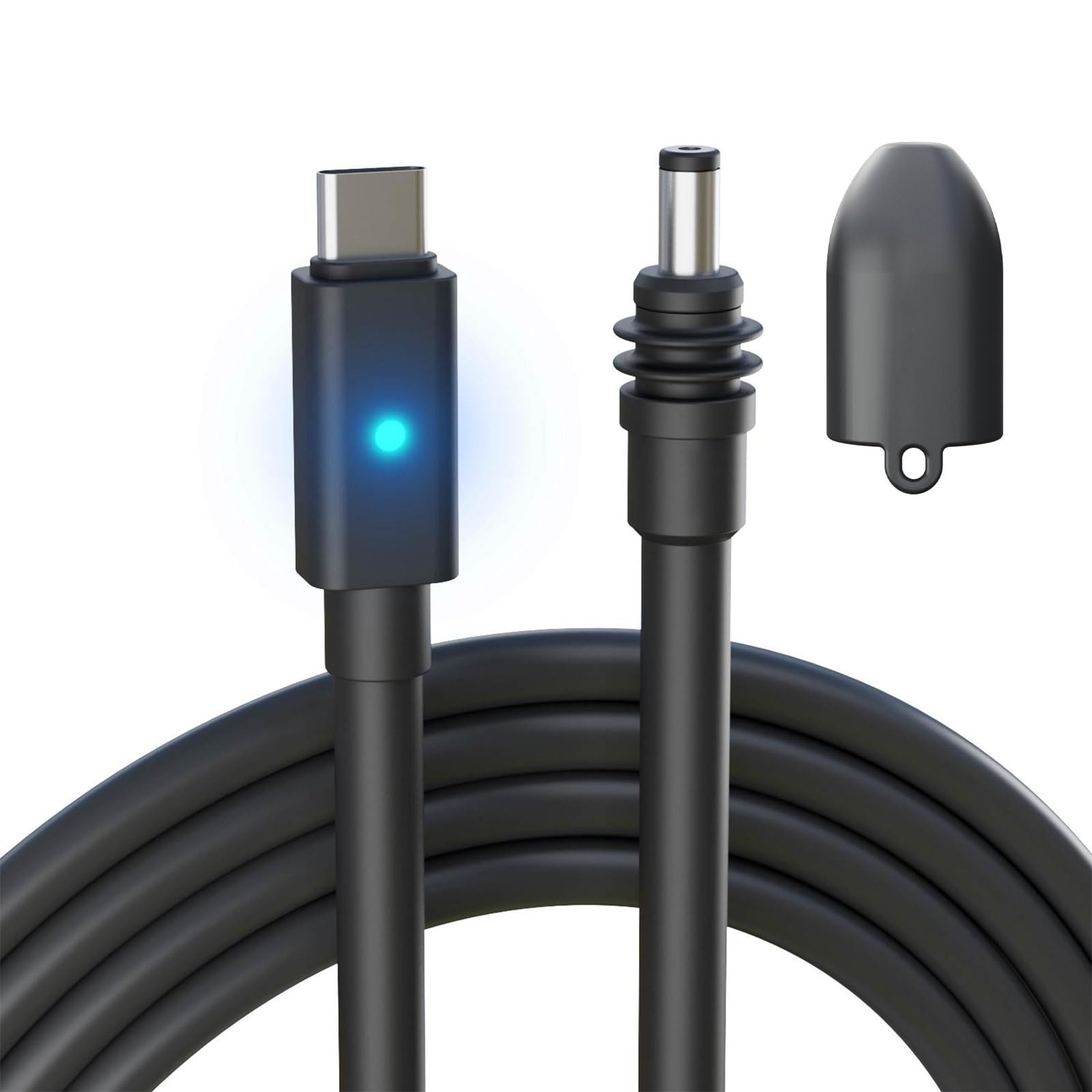
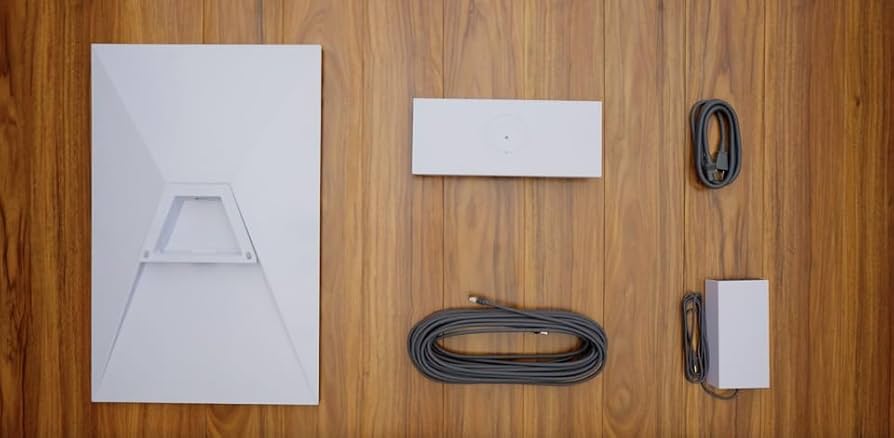
Launch reporting indicated that each Starlink kit includes the equipment required for a basic installation, including the satellite terminal, router, power components and mounting base.
In practical terms, the Standard Kit is designed to provide the main components required to establish a Starlink connection at a fixed site.
However, a standard kit does not necessarily include everything required for every property.
For example, your installation may still need:
-
a roof mount;
-
a wall mount;
-
a pole adapter;
-
additional cabling;
-
mesh Wi-Fi;
-
Ethernet networking;
-
professional installation.
Customers comparing Starlink hardware can browse Starlink kits and accessories from Orbitlink Solutions.
4. Does the Starlink Standard Kit Price Include Monthly Internet?
No.
The Standard Kit hardware price and the monthly Starlink subscription are separate.
This means paying approximately UGX 1.74 million for the hardware does not provide unlimited internet permanently.
You still need an active Starlink service plan.
At launch, reported residential options included:
| Plan | Reported monthly price |
|---|---|
| Residential Lite | UGX 203,704/month |
| Residential | UGX 285,185/month |
Customers should confirm the current plans available at their actual Uganda address before ordering because Starlink plan availability can vary by location. Starlink also states that Residential plans are designed for household use at a fixed land-based location and that available plans may vary by address.
5. Total Standard Kit Cost With Residential Lite
Using the reported launch pricing:
Standard Kit + regulatory + delivery: UGX 2,296,555
Add one month of Residential Lite:
UGX 203,704
Approximate initial cost:
UGX 2,500,259
before optional installation and networking equipment.
This gives customers a more realistic starting budget than simply looking at the hardware price.
6. Total Standard Kit Cost With Residential
Using the regular Residential plan:
UGX 2,296,555 + UGX 285,185
Approximate initial cost:
UGX 2,581,740
before installation and accessories.
Again, this should be used as a September 2026 budgeting example rather than a guaranteed future quotation.
Starlink prices can change.
7. What Is the Starlink Standard Kit?
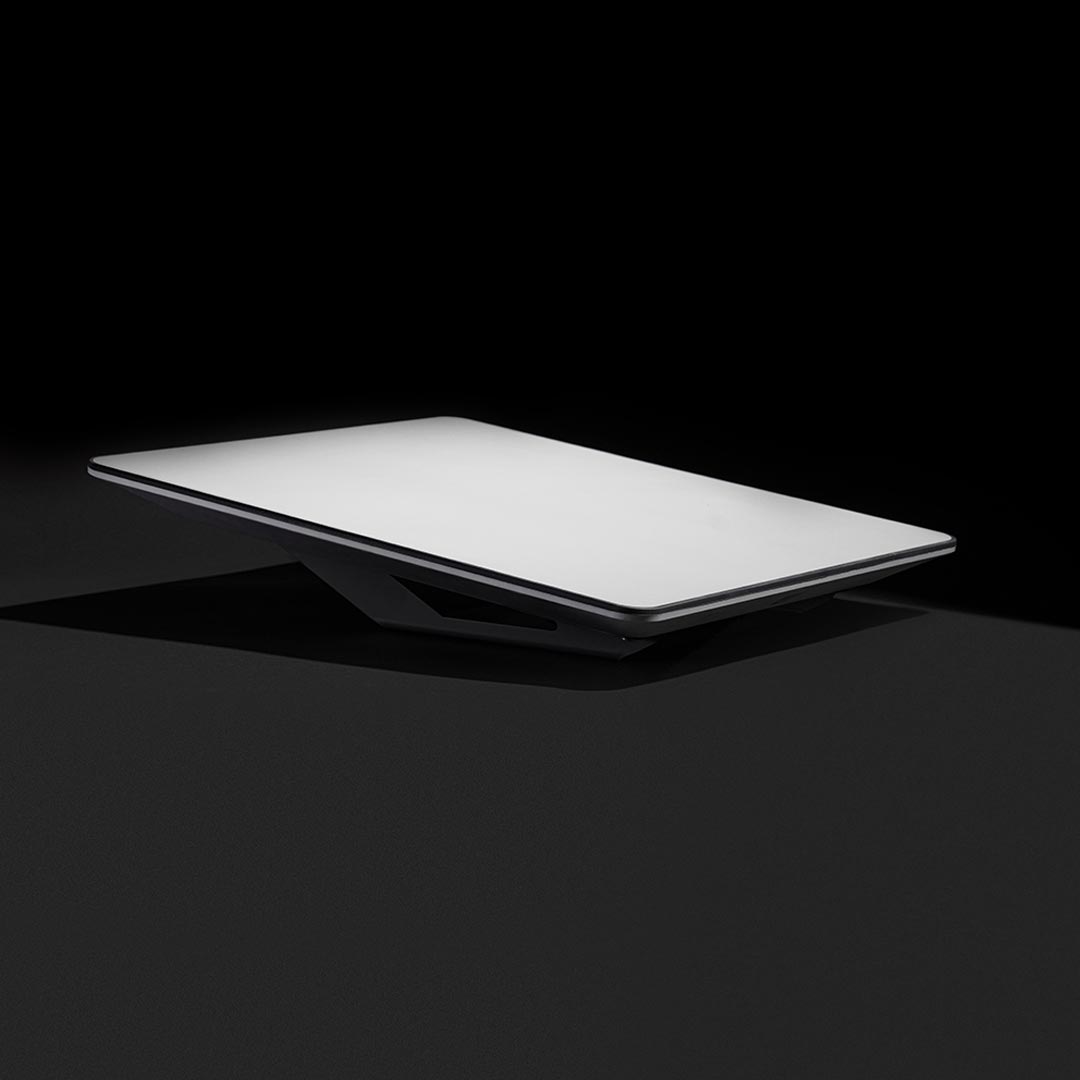
The Starlink Standard Kit is primarily designed for fixed broadband installations.
It is a natural candidate for:
-
homes;
-
offices;
-
hotels;
-
lodges;
-
clinics;
-
schools;
-
farms;
-
warehouses;
-
branches;
-
remote business sites.
Unlike the smaller Starlink Mini, Standard is more naturally suited to customers who plan to leave the equipment installed permanently at one location.
That makes it particularly attractive for residential and business buildings where portability is not the main priority.
8. Starlink Standard Kit vs Starlink Mini Price Uganda
The reported launch hardware prices were:
Starlink Mini: UGX 1,306,741
Starlink Standard: UGX 1,743,778
The difference was approximately:
UGX 437,037
This means the Standard hardware cost about UGX 437,000 more than Mini at launch.
But the cheaper product is not necessarily the better choice.
| Factor | Starlink Standard | Starlink Mini |
|---|---|---|
| Hardware price | Higher | Lower |
| Fixed installation | Strong fit | Possible |
| Portability | Lower priority | Excellent |
| Permanent home | Strong candidate | Possible |
| Large fixed property | Better starting point | Depends on requirements |
| Safari/field use | Less convenient | Strong fit |
| Compact transport | Less suitable | Excellent |
9. Which Is Better: Starlink Standard or Mini?
Choose Standard if:
-
the terminal will stay permanently at one location;
-
you are installing Starlink at a home or office;
-
portability is not important;
-
your network will support several fixed users;
-
you want a fixed-site-focused system.
Choose Mini if:
-
portability matters;
-
the terminal needs to move frequently;
-
you operate in the field;
-
you need a compact setup;
-
lower initial hardware cost is important.
The right choice depends on use case rather than price alone.
10. Starlink Standard Kit for Homes in Uganda
Standard is likely to be one of the most common choices for Ugandan households seeking permanent Starlink internet.
Possible uses include:
-
streaming;
-
online learning;
-
remote work;
-
gaming;
-
cloud backups;
-
CCTV;
-
smart-home devices.
The kit can provide the internet connection, but Wi-Fi coverage still needs to be considered separately.
A large house may require additional access points or mesh units.
This is especially important in properties with thick walls, multiple floors or separate buildings.
11. Starlink Standard Kit for Kampala Homes
In Kampala, Standard may compete directly with fibre and mobile broadband.
Customers should compare:
-
hardware cost;
-
monthly price;
-
reliability;
-
fibre availability;
-
backup requirements.
For some Kampala households, fibre may be cheaper.
For others, Starlink may be useful as an independent backup connection.
The most sensible choice depends on the property and existing telecom infrastructure.
12. Starlink Standard Kit for Rural Uganda
The case for Standard becomes stronger in rural locations where fixed broadband options are limited.
A permanent rural home or business can install Standard without waiting for a fibre route to reach the property.
Potential use cases include:
-
farms;
-
schools;
-
health centres;
-
lodges;
-
rural offices;
-
community organisations.
The property still needs:
-
power;
-
a suitable mounting position;
-
sufficient sky visibility;
-
an eligible Starlink service plan.
13. Starlink Standard Kit for Businesses
Businesses can use Standard in several ways.
It may operate as:
-
a primary connection;
-
a backup connection;
-
temporary connectivity;
-
a branch-office connection.
However, companies should choose an appropriate business service plan when required rather than assuming residential service terms apply to every commercial use case.
A business network may also need:
-
router/firewall;
-
managed switch;
-
access points;
-
VLANs;
-
VPN;
-
failover.
Businesses can browse MikroTik routers and network switches when designing the internal network.
14. Starlink Standard for Hotels and Safari Lodges
A permanently located hotel or safari lodge may benefit more from Standard than Mini if the terminal will remain fixed.
Potential uses include:
-
guest Wi-Fi;
-
booking systems;
-
card payments;
-
staff communication;
-
CCTV;
-
cloud applications.
However, the Starlink router alone may not provide adequate Wi-Fi across an entire lodge.
A complete network may require multiple indoor and outdoor access points.
For networking equipment, customers can explore Tawa.
15. Starlink Standard for Schools
Schools can use Starlink Standard for:
-
e-learning;
-
digital libraries;
-
online examinations;
-
cloud administration;
-
teacher training;
-
video conferencing.
A campus should not rely on one wireless router to serve every building.
The Starlink connection may need to feed a managed network with additional switches and access points.
16. Starlink Standard for Farms
A fixed Standard installation can support farm operations such as:
-
CCTV;
-
weather monitoring;
-
cloud accounting;
-
irrigation systems;
-
livestock monitoring;
-
staff communications.
The Starlink terminal provides the upstream internet connection.
Outdoor wireless or fibre may still be needed to distribute that internet around a large farm.
17. Starlink Standard for NGOs
NGOs operating permanent field offices can consider Standard for:
-
reporting;
-
cloud applications;
-
video meetings;
-
data uploads;
-
communication;
-
remote coordination.
If the office will remain in one location for a long period, Standard can be more natural than a portable Mini setup.
18. Starlink Standard for Construction Projects
Construction sites frequently require internet before permanent telecom infrastructure is installed.
Standard can support:
-
project offices;
-
CCTV;
-
cloud project tools;
-
email;
-
video meetings.
For temporary sites that frequently move, Mini may be more convenient.
For semi-permanent projects, Standard can make more sense.
19. How Fast Is the Starlink Standard Kit?
Starlink does not guarantee one fixed speed.
Its specifications state that actual speeds vary with location, time of day, congestion and the service plan being used.
For example, Starlink's current published specifications show Residential Lite expected download performance in one published service table ranging around 97–265 Mbps, while other plans have their own performance ranges. These figures are not guaranteed for every Ugandan customer.
Performance can also be affected by:
-
trees;
-
buildings;
-
weather;
-
Wi-Fi conditions;
-
network congestion.
Customers should avoid websites promising one guaranteed Starlink speed.
20. Is Starlink Standard Unlimited?
Residential Starlink plans are generally offered with unlimited data under their applicable terms. Starlink states that Residential plans are intended for fixed household use and include unlimited data.
But unlimited data does not mean unlimited guaranteed speed.
Performance can still vary.
Residential Lite may also receive lower priority during busy periods.
21. Starlink Standard Installation Cost Uganda
There is no universal Standard installation price.
Cost depends on the property.
A simple installation may require:
-
accessible roof;
-
clear sky;
-
short cable route;
-
standard mounting.
A complex installation may require:
-
tall pole;
-
difficult roof access;
-
specialised mounts;
-
long cable routes;
-
additional Wi-Fi;
-
network switches;
-
professional configuration.
Installation should therefore be assessed site by site.
22. Can You Install the Starlink Standard Kit Yourself?
Yes, many customers can perform basic installation themselves.
Starlink is designed around relatively straightforward setup.
However, professional installation can make sense if:
-
the roof is difficult to access;
-
there are significant obstructions;
-
a pole is required;
-
cabling is complex;
-
the property has multiple buildings;
-
the Starlink connection is being integrated into a business network.
Readers researching professional satellite installations can visit Satellite Internet Installers or Starlink Kenya Installers.
23. Starlink Standard Mounting Options
The correct mounting method depends on the building.
Possible options include:
-
roof mounts;
-
wall mounts;
-
pole mounts;
-
pipe adapters.
The objective is to provide:
-
clear sky visibility;
-
secure physical mounting;
-
safe cable routing.
Avoid mounting the terminal where trees or structures repeatedly obstruct the satellite view.
24. Does Starlink Standard Need a Clear View of the Sky?
Yes.
Obstructions can interrupt Starlink connectivity.
Common problems include:
-
trees;
-
walls;
-
tall neighbouring buildings;
-
roof structures.
This is why the physical installation position matters.
A good installer should evaluate obstructions before making permanent mounting decisions.
25. Starlink Standard and Wi-Fi Coverage
A Starlink connection can be fast while the local Wi-Fi is poor.
This commonly happens in:
-
large homes;
-
hotels;
-
multi-floor offices;
-
schools;
-
compounds.
The solution may be:
-
mesh Wi-Fi;
-
multiple access points;
-
Ethernet cabling.
Do not confuse satellite speed with Wi-Fi coverage.
They are separate parts of the system.
26. Can Starlink Standard Work With MikroTik?
Yes.
A Starlink connection can feed a MikroTik router for more advanced network control.
A typical setup might be:
Starlink → MikroTik router → managed switch → access points
MikroTik can provide:
-
failover;
-
bandwidth management;
-
VLANs;
-
firewall rules;
-
VPNs;
-
hotspot control.
For hotspot and subscriber-management environments, businesses can also consider Tajira ISP billing software.
27. Starlink Standard as Backup Internet
One of the strongest business uses is backup connectivity.
For example:
Primary fibre + Starlink Standard → dual-WAN router → office network
If fibre fails, the router can switch traffic to Starlink.
This can help maintain access to:
-
cloud systems;
-
email;
-
VoIP;
-
online payments;
-
VPNs.
Businesses should design failover properly rather than waiting until an outage occurs.
28. Starlink Standard vs Fibre Uganda
Fibre can be excellent where available.
It often provides:
-
low latency;
-
stable performance;
-
high capacity.
Starlink's advantage is reach.
It does not require a fibre line to physically reach the building.
Therefore, Standard can be especially valuable where fibre infrastructure is unavailable or costly to extend.
29. Starlink Standard vs 4G and 5G
Mobile broadband has a lower initial hardware cost.
But it depends on nearby cellular infrastructure.
Starlink depends more on sky visibility and satellite network capacity.
Customers should compare:
-
coverage;
-
monthly cost;
-
speed;
-
reliability;
-
hardware cost.
Strong 5G may be cheaper in urban areas.
Starlink may be more attractive in underserved locations.
30. Starlink Standard Uganda First-Year Cost
Using the reported launch figures:
Initial Standard cost
UGX 2,296,555
Residential Lite for 12 months
UGX 203,704 × 12:
UGX 2,444,448
Approximate first-year total
UGX 4,741,003
before installation and optional equipment.
31. First-Year Cost With Regular Residential
Using regular Residential:
UGX 285,185 × 12:
UGX 3,422,220
Add the approximate initial Standard cost:
UGX 2,296,555
Approximate first-year total:
UGX 5,718,775
before installation and accessories.
These figures are useful for budgeting but should not replace current checkout pricing.
32. Is Starlink Standard Expensive?
The answer depends on the alternative.
If fibre already reaches your property, Starlink's hardware cost can look high.
If the nearest fibre infrastructure is kilometres away, Standard can become far more attractive.
The correct comparison is:
complete Starlink cost versus complete cost of obtaining reliable alternative internet.
33. Why Some Local Standard Kit Prices Differ
Third-party sellers may list different prices because of:
-
import costs;
-
promotions;
-
reseller margins;
-
bundled installation;
-
accessories;
-
exchange rates.
Customers should compare what is actually included.
A higher price may include installation.
A lower price may be hardware only.
34. Should You Buy an Imported Standard Kit?
Imported Starlink hardware requires caution.
Before purchasing, verify:
-
ownership;
-
transfer eligibility;
-
service-region compatibility;
-
Uganda activation;
-
account status.
Do not buy simply because the imported kit is cheaper.
An untransferable terminal can become an expensive unusable device.
35. Can You Buy a Used Starlink Standard Kit?
Used equipment may reduce the initial cost.
However, buyers should confirm:
-
physical condition;
-
ownership transfer;
-
account status;
-
hardware generation;
-
activation eligibility.
Always complete the necessary transfer process before relying on a used unit.
36. Does Starlink Standard Need Backup Power?
Yes, if continuous connectivity is important during power outages.
Potential backup options include:
-
UPS;
-
inverter;
-
battery system;
-
generator;
-
solar power.
Businesses using Starlink as backup internet should also back up the power supplying:
-
Starlink terminal;
-
router;
-
switches;
-
access points.
Otherwise the backup internet will disappear during the same power outage.
37. Starlink Standard for CCTV
CCTV systems can create significant upload traffic.
The network should be designed around:
-
number of cameras;
-
resolution;
-
cloud recording;
-
remote viewing.
A professional router and switch may be required for larger CCTV installations.
38. Starlink Standard for Working From Home
The Standard Kit can support:
-
video conferencing;
-
cloud applications;
-
email;
-
remote desktops;
-
VPNs.
Remote workers should also consider connection redundancy if downtime would affect their income.
A mobile 4G/5G service can provide backup to Starlink, or Starlink can provide backup to fibre.
39. Starlink Standard for Streaming
Standard can support household streaming, but actual performance depends on the network.
A large family may simultaneously use:
-
Netflix;
-
YouTube;
-
gaming;
-
video calls;
-
social media.
The monthly service plan and internal Wi-Fi network should be sized accordingly.
40. Starlink Standard and Future Satellite Competition
Starlink is not expected to remain the only major low Earth orbit broadband system.
Amazon is developing a competing satellite constellation.
Readers following emerging satellite options can visit Amazon LEO Internet.
Competition could eventually influence hardware prices and monthly packages.
For now, buying decisions should be based on commercially available services.
41. Common Starlink Standard Kit Buying Mistakes
Looking only at the hardware price
Regulatory and delivery charges add to the upfront cost.
Forgetting monthly service
The kit does not include lifetime internet.
Choosing Standard when portability is the main requirement
Mini may be better.
Buying Mini when a permanent fixed installation would benefit from Standard
Cheaper is not automatically better.
Ignoring obstructions
Poor mounting can cause interruptions.
Ignoring Wi-Fi design
One router may not cover a large building.
Buying an imported unit without checking activation
Always verify eligibility.
42. Frequently Asked Questions About Starlink Standard Kit Price Uganda
How much is the Starlink Standard Kit in Uganda?
The reported September 2026 hardware price was approximately UGX 1,743,778.
What is the total Standard Kit cost in Uganda?
Including the reported regulatory and delivery charges, the initial total was approximately UGX 2,296,555 before monthly service and installation.
Is Standard more expensive than Mini?
Yes. At launch, Standard hardware cost approximately UGX 437,037 more than Mini.
Does the Standard Kit include monthly internet?
No. The subscription is separate.
Which monthly package can I use?
Availability depends on your address and account. Residential Lite and Residential were among the reported Uganda launch options.
Is Starlink Standard good for homes?
Yes. It is designed around fixed-site connectivity and is a strong candidate for permanent home installations.
Can businesses use Starlink Standard?
Yes, depending on the service plan and business requirements. Larger commercial deployments may require priority service or higher-performance equipment.
Can I install it myself?
Many basic installations can be self-installed, but complex roofs and commercial networks may require professional installation.
Does Starlink Standard work in rural Uganda?
It can be particularly useful in remote locations, subject to service availability, suitable sky visibility and power.
Where can I compare Starlink equipment?
Browse Starlink kits from Orbitlink Solutions, review Starlink kits and accessories, or contact Orbitlink Solutions.
43. Conclusion: Is the Starlink Standard Kit Price in Uganda Worth It?
The Starlink Standard Kit price in Uganda was reported at approximately UGX 1,743,778 at the September 2026 launch. After reported regulatory and delivery charges, the initial amount rose to approximately UGX 2,296,555 before monthly service, professional installation and optional networking equipment. For customers planning a permanent installation, this makes Standard a more expensive initial purchase than Mini but potentially a better fit for fixed homes, offices, schools, lodges and other permanent sites.
The decision should not be made on hardware price alone. Standard is designed around fixed-site connectivity, while Mini has a stronger portability advantage. Customers should compare their location, number of users, Wi-Fi requirements, installation complexity and service plan before purchasing. Businesses should also consider routers, switches, backup power and failover as part of the complete network.
Before ordering, verify the current price and service availability for your actual Ugandan address. Read our complete Starlink Uganda guide, compare Starlink Uganda Prices, review Starlink Uganda Packages, and compare the smaller option in our Starlink Mini Price Uganda article. You can also browse Starlink equipment from Orbitlink Solutions or contact Orbitlink Solutions when planning a Starlink or networking deployment.