Starlink Uganda
Discover Starlink Uganda prices, packages, Mini and Standard kits, installation, speeds and coverage for homes and businesses in 2026.
Starlink Kenya Prices

Starlink Uganda: Prices, Packages, Kits and Installation 2026
Last updated: September 2026
Starlink Uganda is now one of the most important developments in Uganda’s internet connectivity market. After months of regulatory discussions and growing interest from households, businesses, NGOs, schools, hotels and people living in areas with limited terrestrial broadband, Starlink became commercially available in Uganda in September 2026. The service gives Ugandans another way to access broadband using low Earth orbit satellite technology rather than depending entirely on fibre, mobile towers or fixed wireless infrastructure.
The arrival of Starlink in Uganda is particularly significant for users outside the strongest fibre and 4G/5G coverage areas. A home, farm, lodge, construction site, school or company does not necessarily need fibre running past the property to establish a Starlink connection. Instead, the system communicates with satellites using a Starlink terminal installed where it has a sufficiently clear view of the sky. This makes satellite broadband attractive for both urban backup connectivity and locations where conventional broadband installation is difficult.
This complete Starlink Uganda guide explains current prices, monthly packages, Starlink Mini and Standard kits, installation, expected performance, coverage considerations, business applications and how to choose the right equipment. Prices and service conditions can change, so prospective buyers should always confirm the final amount and service availability for their exact Ugandan location before placing an order.
1. Is Starlink Available in Uganda?
Yes. Starlink is now commercially available in Uganda.
Uganda formally cleared Starlink to begin operations following an agreement between Starlink and the Uganda Communications Commission in May 2026. Commercial ordering subsequently opened in early September 2026.
This is an important distinction because people researching Starlink Uganda may still encounter older articles claiming the service had not been licensed in the country. Such reports may have been accurate when originally published but no longer reflect the position after the 2026 licensing and commercial launch developments.
Customers should therefore use current information when comparing Starlink availability, prices and service plans.
The official purchasing process normally begins by checking a service address. Availability can vary depending on network capacity and other operational considerations, so nationwide commercial availability should not be interpreted as a guarantee that every individual address will always have identical plan choices.
For people researching satellite internet options elsewhere in East Africa, Orbitlink Solutions also maintains information about Starlink internet in Kenya.
2. What Is Starlink Uganda?
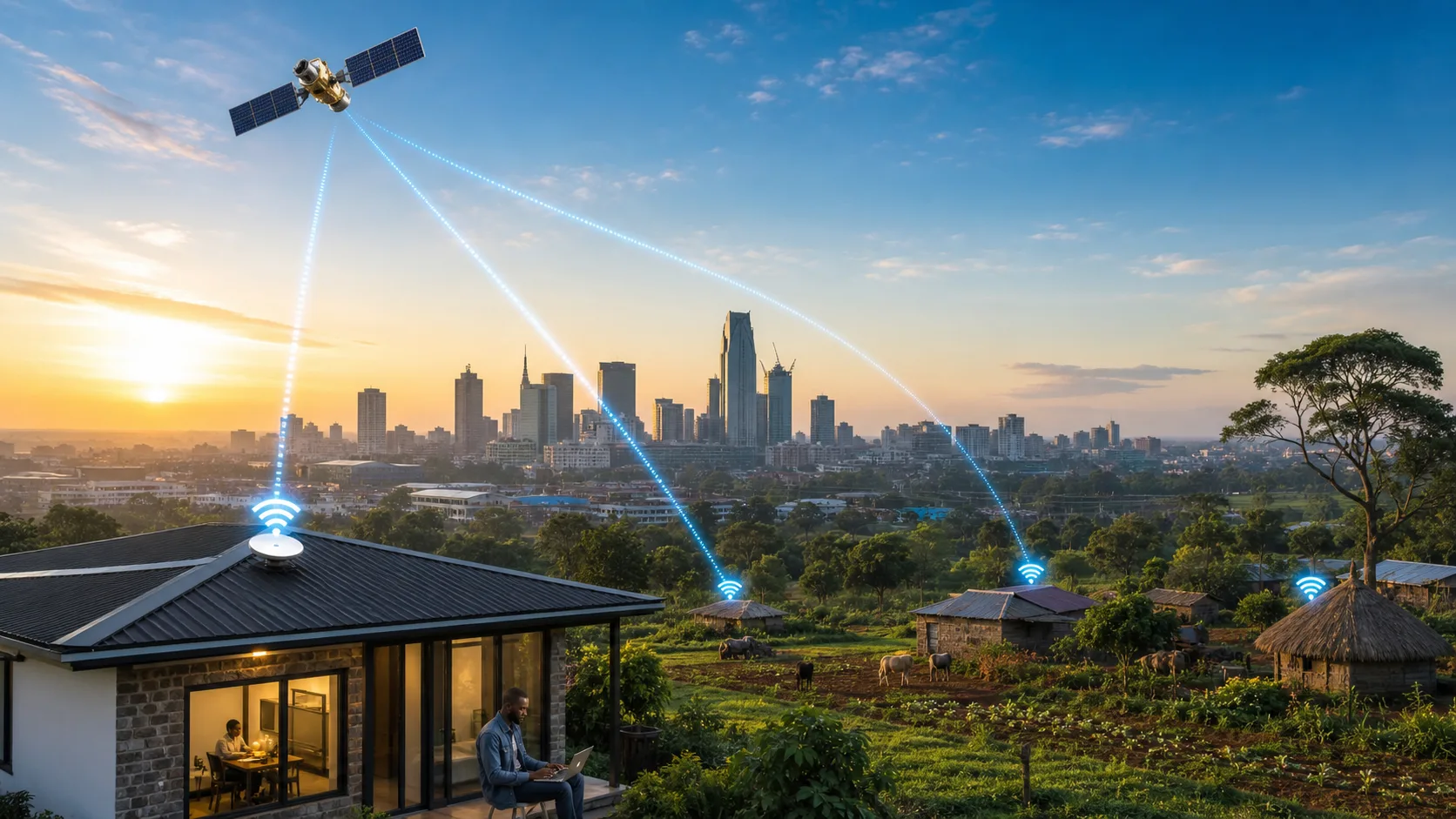
Starlink is a satellite broadband network operated by Starlink, a SpaceX company. Rather than primarily serving customers through terrestrial fibre cables or nearby mobile base stations, Starlink connects compatible user terminals to a large network of satellites operating in low Earth orbit.
The basic concept is straightforward.
A Starlink terminal installed at your property communicates with satellites overhead. Internet traffic is then routed through Starlink's network infrastructure and delivered to your Starlink router, which provides connectivity to phones, laptops, TVs and other devices.
Because low Earth orbit satellites operate much closer to Earth than traditional geostationary communications satellites, Starlink is designed to provide substantially lower latency than older satellite internet systems.
For a Ugandan user, the most important practical advantage is infrastructure independence.
Consider a lodge several kilometres from the nearest fibre route. Extending conventional fibre could require additional construction, permits, poles or trenching. A properly deployed Starlink system can potentially establish broadband without building that entire terrestrial connection.
The same principle can apply to:
-
rural homes;
-
farms;
-
schools;
-
safari lodges;
-
construction projects;
-
mining and exploration sites;
-
temporary offices;
-
NGOs;
-
health facilities;
-
remote branches;
-
warehouses;
-
field operations;
-
security installations;
-
businesses requiring backup internet.
Starlink should nevertheless be treated as part of a complete network rather than simply a dish on a roof. Larger properties may require access points, managed switches, structured cabling, routers or backup power after the Starlink connection enters the building.
Businesses planning a larger network can browse networking equipment from Orbitlink Solutions when designing the LAN and Wi-Fi side of their deployment.
3. Starlink Uganda Prices in 2026
One of the most searched questions is: How much does Starlink cost in Uganda?
At the September 2026 commercial launch, reported pricing from the Uganda ordering system included the following figures.
| Starlink Uganda item | Reported September 2026 price |
|---|---|
| Residential Lite | About UGX 203,704 per month |
| Residential | About UGX 285,185 per month |
| Starlink Mini Kit | About UGX 1,306,741 |
| Starlink Standard Kit | About UGX 1,743,778 |
| Regulatory charge | About UGX 437,036 |
| Reported delivery charge | About UGX 115,741 |
These figures are useful for budgeting, but they should not be interpreted as permanent fixed prices.
Starlink can change hardware prices, service plans, promotions, delivery charges or available packages. Your location can also affect which plans are displayed during checkout.
Before purchasing, check the current Starlink checkout information for the actual service address.
Understanding the real startup cost
The Starlink Uganda kit price is not necessarily the complete amount required to become connected.
A realistic installation budget may include:
Starlink hardware + regulatory charges + delivery + mounting equipment + professional installation + network accessories + backup power, where applicable.
For example, buying a kit is only the first part of the project if the terminal must be mounted several metres above a building to clear nearby trees.
A business may additionally require a router, firewall, switch, access points and structured cabling.
This is why comparing only the headline kit price can produce an unrealistic budget.
4. Starlink Uganda Monthly Packages
The launch of Starlink Uganda introduced residential service choices aimed at different types of users.
4.1 Residential Lite
At launch, Residential Lite was reported at approximately UGX 203,704 per month.
Residential Lite is intended for personal and household use. Starlink describes its Lite service generally as using deprioritized data compared with its standard Residential service.
In practical terms, this means users can experience slower performance when the network is congested.
Residential Lite may therefore appeal to customers whose priorities include:
-
browsing;
-
email;
-
social media;
-
online learning;
-
moderate streaming;
-
ordinary home internet use.
Availability can vary by area.
4.2 Residential
The standard Residential package was reported at approximately UGX 285,185 per month when service launched.
It is intended for households using the service at a fixed location.
A larger family, home office or household with multiple simultaneous users may prefer the regular Residential package over the Lite option.
However, users should not interpret a plan name as a guaranteed speed.
Satellite internet performance can vary with factors such as:
-
network congestion;
-
location;
-
obstructions;
-
weather;
-
hardware;
-
Wi-Fi conditions;
-
the destination server or online service being accessed.
4.3 Business and priority connectivity
Commercial users should select a service plan that is permitted and appropriate for business use rather than simply assuming a consumer residential package is suitable.
Business requirements are different.
A company may need:
-
priority data;
-
predictable support;
-
public IP requirements;
-
VPN connectivity;
-
network failover;
-
multiple locations;
-
higher-performance terminals;
-
traffic management;
-
centralized network administration.
The monthly internet subscription should therefore be considered alongside the complete business network.
Companies running hotspot or managed subscriber environments may also be interested in Tajira ISP billing software for network billing and user management applications.
5. Starlink Mini Uganda
The Starlink Mini is likely to become one of the most attractive Starlink Uganda products because it combines satellite connectivity with a considerably more portable terminal design.
It is particularly interesting for users who regularly move equipment or operate away from conventional infrastructure.
Possible applications include:
-
safari vehicles;
-
mobile field teams;
-
research teams;
-
remote farms;
-
temporary camps;
-
construction teams;
-
emergency response;
-
field offices;
-
remote tourism facilities.
At the September 2026 launch, the Starlink Mini hardware price was reported at approximately UGX 1,306,741 before additional regulatory and delivery charges.
Why choose Starlink Mini?
The primary attraction is portability.
A permanently mounted residential terminal may be ideal for a house or office, but portability becomes valuable when internet equipment must travel between locations.
The Mini also integrates Wi-Fi functionality into a compact form factor.
However, smaller should not automatically be interpreted as better.
If the system will remain permanently installed at a large household or office, the Standard platform may be more appropriate depending on service requirements.
The decision should be based on:
-
intended plan;
-
fixed versus mobile use;
-
number of users;
-
network design;
-
power availability;
-
required performance;
-
mounting requirements.
You can also review the range of Starlink kits and accessories currently listed by Orbitlink Solutions when comparing Starlink hardware and mounting options.
6. Starlink Standard Kit Uganda
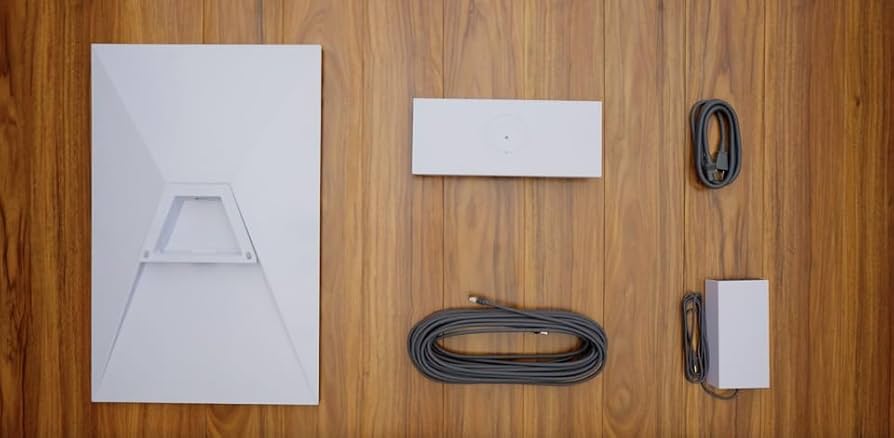
The Starlink Standard Kit is designed primarily around fixed broadband installations and is likely to be the natural choice for many residential and small-business environments.
At launch, the Standard hardware was reported at approximately UGX 1,743,778 before applicable regulatory and delivery charges.
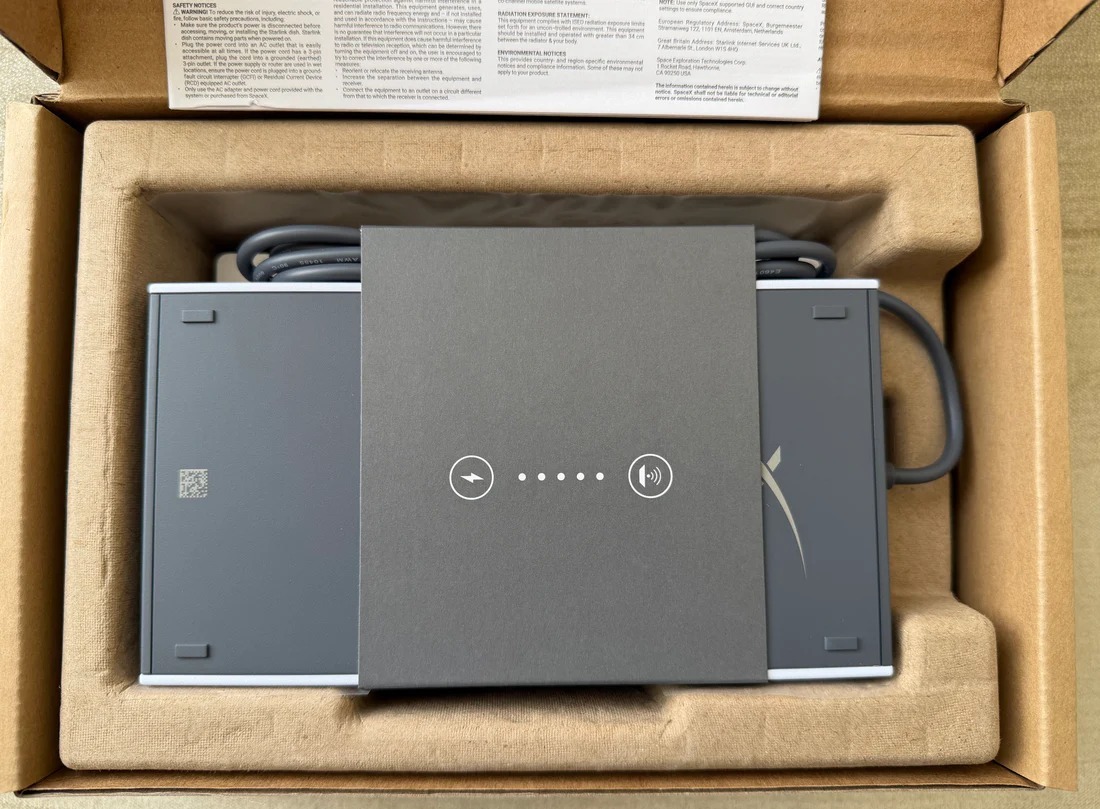
A typical fixed installation involves mounting the Starlink terminal in a location with sufficient sky visibility, routing the Starlink cable safely into the building and configuring the internal Wi-Fi or wired network.
A Standard system makes sense when internet is required permanently at locations such as:
-
homes;
-
offices;
-
restaurants;
-
clinics;
-
schools;
-
retail premises;
-
lodges;
-
farms;
-
branches;
-
workshops.
Orbitlink Solutions currently lists the Starlink Standard Kit Version 4 for its Kenyan market. Ugandan buyers should confirm service-region compatibility, account requirements and local activation rules before purchasing hardware outside the official Uganda ordering process.
That last point is important.
A cheap imported terminal is not necessarily a bargain if it cannot be activated correctly in Uganda or has account, transfer or regional restrictions.
7. Starlink Mini vs Standard Kit in Uganda
Choosing between Starlink Mini and Standard should begin with the job the equipment needs to perform.
| Requirement | Starlink Mini | Starlink Standard |
|---|---|---|
| Portable use | Excellent candidate | Less portability-focused |
| Fixed home | Possible depending on plan | Strong candidate |
| Safari/field operations | Strong candidate | Possible but less convenient |
| Permanent office | Possible for lighter requirements | Usually more natural |
| Compact deployment | Strong | Larger |
| Integrated portable design | Major advantage | Fixed deployment focus |
| Large permanent network | Requires careful design | Often preferable |
Neither option is automatically correct for every buyer.
A safari operator might value the Mini's compact size more than maximum fixed-site capability.
A family installing internet permanently at a house in Kampala may instead favour Standard.
A corporate branch should go further and assess not merely Mini versus Standard, but also business service plans, redundancy and internal network architecture.
8. How Fast Is Starlink Uganda?
Starlink Uganda is marketed as high-speed, low-latency satellite internet, but prospective customers should be careful with websites promising one guaranteed speed.
Starlink performance is variable.
Launch information associated with Uganda included service tiers and advertised maximum or expected performance figures, but actual user experience depends on real-world conditions.
Factors affecting speed include:
Network congestion
When many customers are using the same network resources simultaneously, speeds can decrease.
This is one reason a deprioritized Lite package may perform differently from a higher-priority plan during busy hours.
Obstructions
A satellite terminal needs a suitable view of the sky.
Trees, nearby walls, roofs and other obstacles can interrupt satellite visibility.
Even a powerful internet service cannot compensate for poor physical placement.
Wi-Fi design
Sometimes the Starlink connection itself is functioning correctly but users experience slow internet because the internal Wi-Fi network is poor.
A large property may require several access points.
A multi-storey building may need wired backhaul.
A hotel may require VLANs and managed switching.
A company may need enterprise routing rather than relying entirely on one bundled Wi-Fi router.
For advanced networks, MikroTik routers can be considered for routing, bandwidth management, failover and network control, while network switches may be required for larger wired deployments.
Weather and environmental conditions
Heavy weather can influence satellite communications.
Correct installation, secure mounting and appropriate cable routing remain important for long-term reliability.
9. Starlink Uganda Coverage
Starlink's satellite architecture makes it fundamentally different from a conventional mobile ISP.
A mobile internet service depends strongly on your proximity to and conditions around terrestrial base stations. Satellite service instead requires compatible service availability and a suitable view of the sky.
This creates interesting opportunities across Uganda.
Potential demand exists in and around:
-
Kampala;
-
Entebbe;
-
Wakiso;
-
Jinja;
-
Mbarara;
-
Gulu;
-
Mbale;
-
Fort Portal;
-
Kabale;
-
Masaka;
-
Hoima;
-
Arua;
-
Soroti;
-
rural districts.
This does not mean identical performance or plan availability is guaranteed at every address.
Always enter the actual service location into Starlink's availability and ordering system before purchasing.
Starlink in Kampala
Kampala already has various fibre, fixed wireless and mobile broadband options.
So why would someone use Starlink?
One reason is redundancy.
A company that relies heavily on connectivity may not want its primary and backup links to depend on the same physical fibre route.
Starlink can potentially create an additional connectivity path.
It can also be useful at properties where fibre installation is unavailable, expensive or delayed.
Starlink in rural Uganda
The value proposition becomes even clearer outside dense urban infrastructure.
A rural lodge, agricultural project, school or community organization may have electricity and computing equipment yet remain several kilometres from reliable fixed broadband.
Satellite broadband can reduce the importance of that physical distance.
For additional information about satellite connectivity and professional deployment concepts, readers can explore Satellite Internet Installers and SpaceLink Kenya.
10. How to Buy Starlink in Uganda
For most customers, the safest starting point is the official Starlink purchasing process for Uganda.
The general process involves:
-
checking the service address;
-
reviewing available plans;
-
selecting compatible hardware;
-
reviewing all charges;
-
completing payment;
-
arranging delivery;
-
installing and activating the terminal.
Step 1: Check your address
Do this before comparing accessories.
A plan that someone sees in Kampala may not necessarily be presented identically for another address.
Step 2: Choose your plan
Select a service plan based on how the connection will actually be used.
Residential users should compare residential options.
Businesses should investigate appropriate business or priority offerings.
Mobile users should review mobility-related terms rather than assuming a fixed residential subscription can be used anywhere.
Step 3: Choose the correct kit
The main decision for many buyers will be Mini versus Standard.
Do not base this decision entirely on which kit costs less.
Step 4: Review the complete checkout cost
Check:
-
hardware;
-
monthly plan;
-
regulatory charges;
-
delivery;
-
accessories;
-
applicable taxes or fees.
Step 5: Plan installation
Before the terminal arrives, identify possible mounting positions.
You should also consider:
-
trees;
-
roof access;
-
power availability;
-
cable route;
-
router location;
-
Wi-Fi coverage;
-
lightning protection strategy;
-
backup power where required.
Be careful with unofficial imported Starlink kits
Buyers may encounter terminals imported from another country.
Before buying one, verify its activation eligibility, ownership status, account transfer status and compatibility with the intended Ugandan service.
A lower hardware price becomes irrelevant if the terminal cannot be activated correctly.
11. How to Install Starlink in Uganda
Starlink is designed to simplify installation, but that does not mean every installation is equally simple.
A temporary ground installation in an open field can be straightforward.
Installing Starlink permanently on a three-storey commercial building is a different project.
11.1 Check for obstructions
The first objective is to identify a position with good sky visibility.
Avoid locations heavily blocked by:
-
trees;
-
walls;
-
neighbouring buildings;
-
roof structures.
The Starlink application provides tools that can assist with evaluating obstructions.
11.2 Choose a secure mounting point
Permanent installations should prioritize mechanical security.
A terminal should not simply be placed loosely on a roof because it happened to connect during testing.
Possible mounting methods can include:
-
roof mounts;
-
wall mounts;
-
pole mounts;
-
appropriate Starlink mounting accessories.
The correct method depends on the building.
11.3 Route cables correctly
Cable routing should be planned before drilling.
Avoid:
-
unnecessarily sharp bends;
-
exposed cable routes likely to be damaged;
-
doors closing directly onto cables;
-
poorly sealed wall penetrations;
-
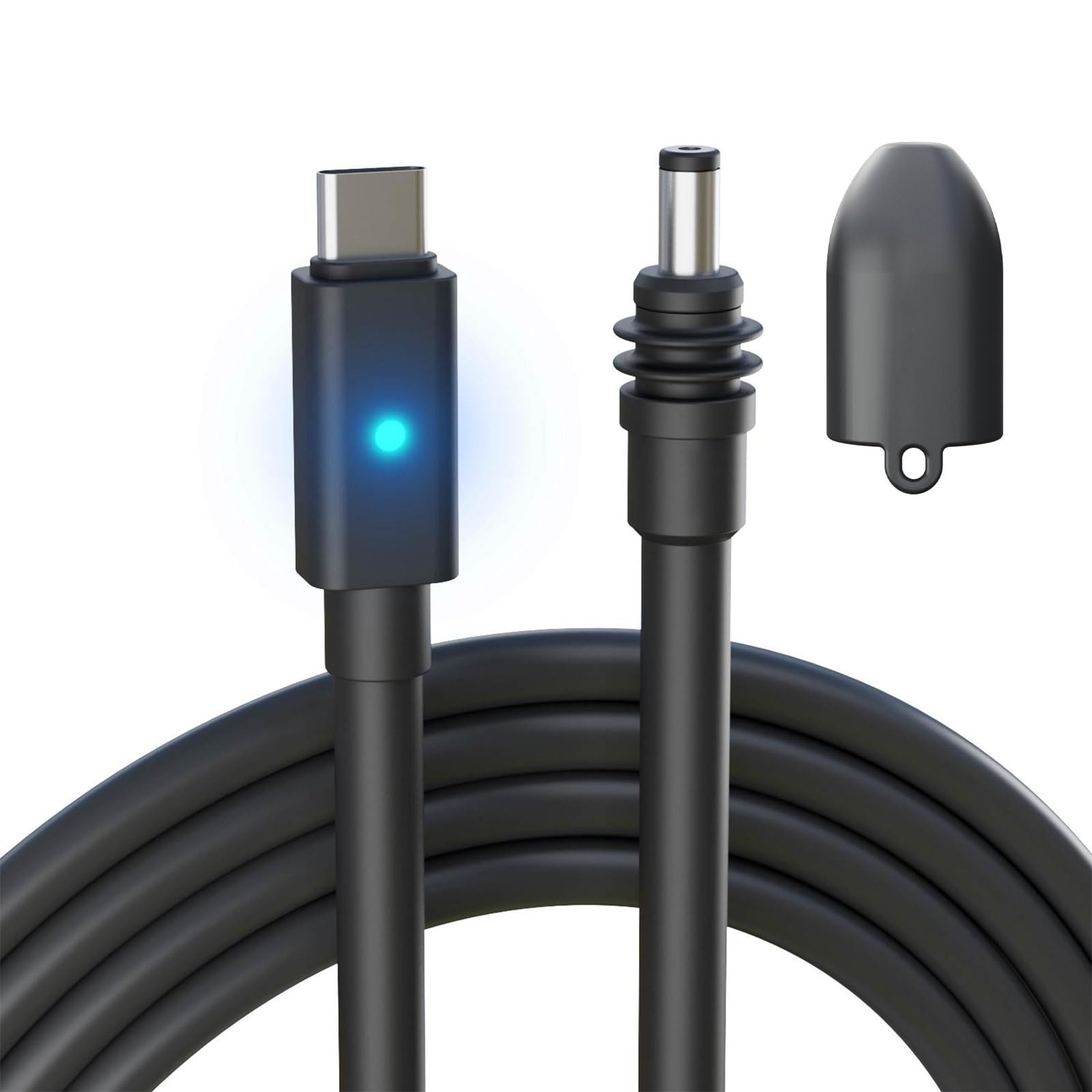
improvised extensions that are not compatible with the system.
11.4 Configure Wi-Fi
After Starlink establishes an internet connection, configure your local network.
For a small home, the bundled router may be sufficient.
For a large compound, office, lodge or school, the internet connection may need to feed a professionally designed network.
Businesses can source additional networking equipment when switches, access points, cabling or network accessories are required.
11.5 Test the installation
Do not consider the installation complete merely because one phone connects to Wi-Fi.
Test:
-
internet connectivity;
-
obstruction status;
-
Wi-Fi coverage;
-
wired connections;
-
major working areas;
-
video calls where relevant;
-
business applications;
-
failover if configured.
Readers considering professional Starlink installation approaches can also review Starlink Kenya Installers and Orbitlink Solutions' existing guide to Starlink installation services.
12. Starlink Uganda for Homes
Residential users are likely to form a significant part of the Starlink Uganda market.
A home may consider Starlink because:
-
fibre is unavailable;
-
mobile internet is inconsistent;
-
several people need simultaneous connectivity;
-
someone works from home;
-
online education requires more reliable access;
-
entertainment usage has increased;
-
the property is outside dense urban infrastructure.
Before purchasing, estimate how the household uses internet.
A two-person household browsing and streaming occasionally has very different requirements from a large family running several TVs, gaming consoles, laptops, cloud backups and CCTV cameras.
Wi-Fi coverage should also be planned separately from internet speed.
A Starlink connection at one end of a large house does not automatically create excellent Wi-Fi coverage at the other end.
Mesh Wi-Fi or additional access points may be necessary.
13. Starlink Uganda for Businesses
Starlink can be valuable to Ugandan businesses in two broad ways:
primary connectivity and backup connectivity.
Primary internet
A business located outside reliable fibre coverage may use Starlink as its main internet connection where an appropriate commercial plan is available.
Potential examples include:
-
remote lodges;
-
farms;
-
branch offices;
-
warehouses;
-
construction sites;
-
field stations;
-
tourism businesses.
Backup internet
Businesses in areas with fibre can still benefit from connectivity diversity.
Suppose an office's primary fibre connection is cut during roadworks.
A properly designed failover router can automatically redirect important traffic through the secondary connection.
Starlink can therefore become part of a business-continuity strategy rather than simply a replacement for fibre.
Do not forget the LAN
The satellite link is only the WAN connection.
A professional business network may also require:
-
router/firewall;
-
switches;
-
access points;
-
VLANs;
-
user authentication;
-
structured cabling;
-
UPS or battery backup;
-
monitoring.
Orbitlink Solutions provides networking and connectivity equipment for projects ranging from individual routers to larger deployments. Learn more about Orbitlink Solutions.
14. Starlink Uganda for Hotels and Safari Lodges
Uganda's tourism sector creates a particularly strong use case for satellite internet.
Safari lodges can be located precisely where terrestrial telecommunications infrastructure is least dense.
Guests, however, increasingly expect connectivity.
Internet can be required for:
-
booking systems;
-
card payments;
-
guest Wi-Fi;
-
staff communications;
-
CCTV;
-
cloud software;
-
VoIP;
-
email;
-
online marketing;
-
emergency communication.
Starlink can potentially make such connectivity easier to deploy.
However, a lodge should avoid connecting every guest directly to one unmanaged Wi-Fi router.
A proper hospitality network may require multiple outdoor and indoor access points, switches and bandwidth-management rules.
Guest traffic may also need to be separated from operational systems.
15. Starlink Uganda for Schools and Educational Institutions
Reliable broadband can significantly change what a school can access.
Possible uses include:
-
digital learning platforms;
-
video lessons;
-
teacher research;
-
cloud-based administration;
-
online examinations;
-
email;
-
collaboration platforms;
-
educational videos;
-
remote teacher training.
Satellite connectivity becomes especially interesting for schools in areas where extending fibre is commercially difficult.
Schools should nevertheless calculate total network demand.
Connecting Starlink to one router in an administration office is not enough to provide reliable connectivity across several classrooms.
A campus deployment may require structured cabling, wireless access points and managed switches.
16. Starlink Uganda for NGOs and Field Operations
NGOs often operate in locations that commercial telecommunications networks were not primarily designed to serve.
Field teams may require connectivity for:
-
reporting;
-
cloud data entry;
-
mapping;
-
communications;
-
monitoring and evaluation;
-
remote meetings;
-
emergency coordination;
-
financial administration.
A portable terminal may be attractive when teams move between sites.
Permanent installations may be preferable at established field offices.
Power planning is equally important. A remote site cannot benefit from satellite internet if its power infrastructure is unreliable and there is no backup system.
17. Starlink Uganda for Farms
Modern agriculture increasingly depends on connectivity.
Internet can support:
-
CCTV;
-
weather monitoring;
-
remote sensors;
-
online procurement;
-
cloud accounting;
-
communications;
-
livestock monitoring;
-
security;
-
equipment telemetry;
-
staff connectivity.
Large farms often cover areas that are poorly served by ordinary indoor Wi-Fi.
This means Starlink may solve the internet-backhaul problem while leaving a second engineering problem: distributing that connection throughout the farm.
Depending on distance and terrain, that may require outdoor wireless links, fibre or multiple access points.
18. Starlink Uganda vs Mobile Internet
Starlink and mobile broadband solve the internet problem differently.
| Starlink | Mobile internet |
|---|---|
| Uses satellite network | Uses terrestrial mobile towers |
| Requires suitable sky visibility | Requires sufficient mobile signal |
| Useful beyond dense infrastructure | Excellent where tower coverage is strong |
| Requires dedicated hardware | Can work with phone/router/SIM |
| Higher initial equipment cost | Usually lower initial equipment cost |
| Can provide independent backup route | May share local terrestrial infrastructure |
Mobile broadband can remain an excellent solution where 4G or 5G performance is strong.
Starlink becomes particularly attractive when mobile performance is weak or when connectivity diversity matters.
The best answer for a business may actually be both.
A multi-WAN router can combine or fail over between different providers depending on the network design.
19. Starlink Uganda vs Fibre Internet
Fibre remains an excellent broadband technology.
Where well-designed fibre is available at a reasonable cost, it can deliver:
-
high capacity;
-
low latency;
-
strong consistency;
-
scalable business connectivity.
Starlink's strength is different.
It can reach locations without waiting for fibre infrastructure to arrive.
| Consideration | Starlink | Fibre |
|---|---|---|
| Requires fibre cable to property | No | Yes |
| Requires clear sky | Yes | No |
| Remote deployment | Strong advantage | Depends on fibre reach |
| Weather sensitivity | Possible | Usually less direct |
| Physical cable cuts outside property | Less dependent | Possible |
| Urban high-capacity connectivity | Useful | Often excellent |
| Backup path diversity | Strong use case | Depends on provider routes |
The question should therefore not be framed simply as "Is Starlink better than fibre?"
A better question is:
Which technology fits this location, budget and reliability requirement?
20. Starlink Uganda vs Traditional Satellite Internet
Traditional satellite internet historically relied heavily on satellites much farther from Earth.
That architecture introduced substantial latency.
Low Earth orbit satellite networks such as Starlink reduce the physical distance the signal must travel, allowing a significantly different user experience.
This is one reason modern LEO satellite networks can support applications such as:
-
video conferencing;
-
cloud software;
-
web browsing;
-
streaming;
-
online collaboration.
Starlink is not the only LEO concept attracting attention. Buyers interested in how competition could develop can also follow information about Amazon LEO internet.
Competition between satellite constellations may eventually increase customer choice across African markets.
21. Building a Better Network Around Starlink Uganda
One of the biggest mistakes in Starlink deployments is assuming the Starlink router alone must operate the entire network.
For a small property, that may work.
For a larger operation, Starlink should be viewed as an upstream internet connection feeding a complete local network.
Routers
An advanced router can manage:
-
dual-WAN;
-
failover;
-
firewall policies;
-
bandwidth;
-
VPNs;
-
user networks;
-
VLANs.
Switches
Network switches distribute wired connectivity to:
-
access points;
-
CCTV cameras;
-
computers;
-
IP phones;
-
servers;
-
point-of-sale systems.
Access points
Multiple access points can provide better wireless coverage than attempting to make one router serve an entire school, hotel or office.
Structured cabling
Good CAT6/CAT6A or fibre infrastructure can dramatically improve reliability within larger installations.
Backup power
Satellite internet still requires electricity.
A UPS, inverter or portable power system can therefore be as important as the internet equipment itself at sites with unreliable power.
For related connectivity information and Starlink deployment ideas, readers can also explore Starlite Internet Kenya.
22. Common Starlink Uganda Buying Mistakes
Buying before checking the service address
Confirm service availability first.
Choosing hardware only because it is cheaper
Mini and Standard serve different requirements.
Ignoring account and regional restrictions
An unofficial imported kit may create activation problems.
Assuming advertised speed is guaranteed
Actual performance varies.
Mounting the terminal underneath trees
Obstructions can cause interruptions.
Forgetting Wi-Fi coverage
Fast Starlink with poor Wi-Fi still feels slow.
Ignoring backup power
No power means no router and no Starlink connection.
Using a residential network design for a commercial property
A hotel or company requires more network planning than an ordinary home.
Failing to budget for installation
Hardware price and completed-project price are not always the same.
Purchasing before confirming current prices
Starlink pricing and plans can change.
23. Why Businesses Should Consider Starlink as a Backup Connection
Internet downtime has a measurable cost.
When a company's internet connection fails, the effect can spread to:
-
payment processing;
-
cloud software;
-
email;
-
IP phones;
-
security systems;
-
remote workers;
-
customer service.
Businesses can reduce this risk by designing redundant connectivity.
For example:
Primary fibre → Business router → Office network
plus
Starlink backup → Same business router → Office network
If correctly configured, the router can redirect traffic when one WAN link becomes unavailable.
This type of architecture is more valuable than simply keeping a second router in a cupboard.
24. Can Starlink Uganda Work With MikroTik?
Yes, Starlink can form part of a network that uses MikroTik routing equipment, provided the network is configured correctly.
MikroTik can be useful for:
-
failover;
-
hotspot systems;
-
firewall rules;
-
bandwidth management;
-
VLANs;
-
queues;
-
VPNs;
-
multiple WAN connections.
A hotel, ISP-style hotspot, school or corporate network may therefore use Starlink as the internet source while a MikroTik router controls how that internet is distributed.
The configuration required depends on the Starlink hardware generation and the specific network topology.
25. Is Starlink Uganda Good for Rural Areas?
Rural connectivity is arguably one of the strongest reasons for Starlink's expansion.
Conventional ISPs have to consider infrastructure economics.
Running kilometres of fibre to one remote customer may not make commercial sense.
Satellite networks change this calculation because much of the communications infrastructure is already overhead.
The customer still needs:
-
compatible service availability;
-
terminal hardware;
-
sufficient sky visibility;
-
power;
-
an appropriate service plan.
But the property does not necessarily have to sit beside a fibre route.
This can make Starlink particularly valuable for rural businesses, homes and institutions.
26. Frequently Asked Questions About Starlink Uganda
Is Starlink available in Uganda in 2026?
Yes. Uganda cleared Starlink to operate in May 2026 and commercial ordering opened in September 2026. Prospective customers should still check their exact service address when ordering.
How much is Starlink per month in Uganda?
At the September 2026 launch, Residential Lite was reported at approximately UGX 203,704 per month and the regular Residential package at approximately UGX 285,185 per month. Current pricing should always be confirmed before purchasing.
How much is the Starlink Mini in Uganda?
The Starlink Mini hardware price was reported at approximately UGX 1,306,741 at launch, before additional regulatory and delivery charges.
How much is the Starlink Standard Kit in Uganda?
The Standard hardware was reported at approximately UGX 1,743,778 before applicable regulatory and delivery charges.
Can I use Starlink in Kampala?
Starlink service is commercially available in Uganda, but customers should enter their specific Kampala service address to verify current availability and available plans.
Can Starlink work in rural Uganda?
Satellite connectivity makes Starlink particularly relevant to rural and remote locations where conventional fixed infrastructure is limited. The site still needs adequate sky visibility, power and an appropriate service plan.
Does Starlink Uganda have unlimited internet?
Certain residential plans are marketed with unlimited data, but service policies and prioritization conditions apply. Residential Lite, for example, can be deprioritized relative to higher-priority traffic.
Can I install Starlink myself?
Some installations can be completed by users. Complex roofs, tall buildings, commercial networks and locations requiring special mounts or structured cabling may benefit from professional installation.
Can Starlink be used for a business in Uganda?
Starlink offers business-oriented connectivity options. Companies should select a plan permitted for commercial use and design the internal network around their operational requirements rather than assuming a residential package is appropriate.
Where can I get help choosing Starlink equipment?
Orbitlink Solutions supplies Starlink and networking equipment in its established Kenyan market and provides technical advice on Starlink, routing, Wi-Fi, switching and network design. Customers planning projects outside Kenya should confirm hardware availability, compatibility, service-region rules and delivery arrangements before purchase. You can contact Orbitlink Solutions for product and network guidance.
27. Conclusion: Is Starlink Uganda Worth Considering?
Starlink Uganda has introduced an important new connectivity option for homes, businesses, schools, farms, NGOs, tourism operators and remote projects. Its greatest advantage is the ability to provide broadband without requiring a conventional fibre connection to reach the property. That gives customers in underserved and remote locations an option that was previously difficult to achieve using terrestrial infrastructure alone.
The right Starlink setup depends on much more than the headline monthly price. Buyers should compare the Mini and Standard terminals, choose the correct service plan, check address availability, budget for regulatory and installation costs, identify a clear mounting position and design the internal Wi-Fi or wired network properly. Businesses should additionally consider redundancy, routing, backup power and network security.
If you are planning a Starlink deployment or building a larger connectivity project, Orbitlink Solutions can help you compare Starlink hardware, routers, switches, Wi-Fi equipment, accessories and network requirements. Review the available Starlink kits, explore the Orbitlink Solutions shop, or contact the Orbitlink team to discuss the technical requirements of your project before purchasing.