Starlink Mini Price Uganda
See the Starlink Mini price in Uganda in 2026, including kit cost, regulatory fees, delivery, monthly packages, installation and total first-year cost.
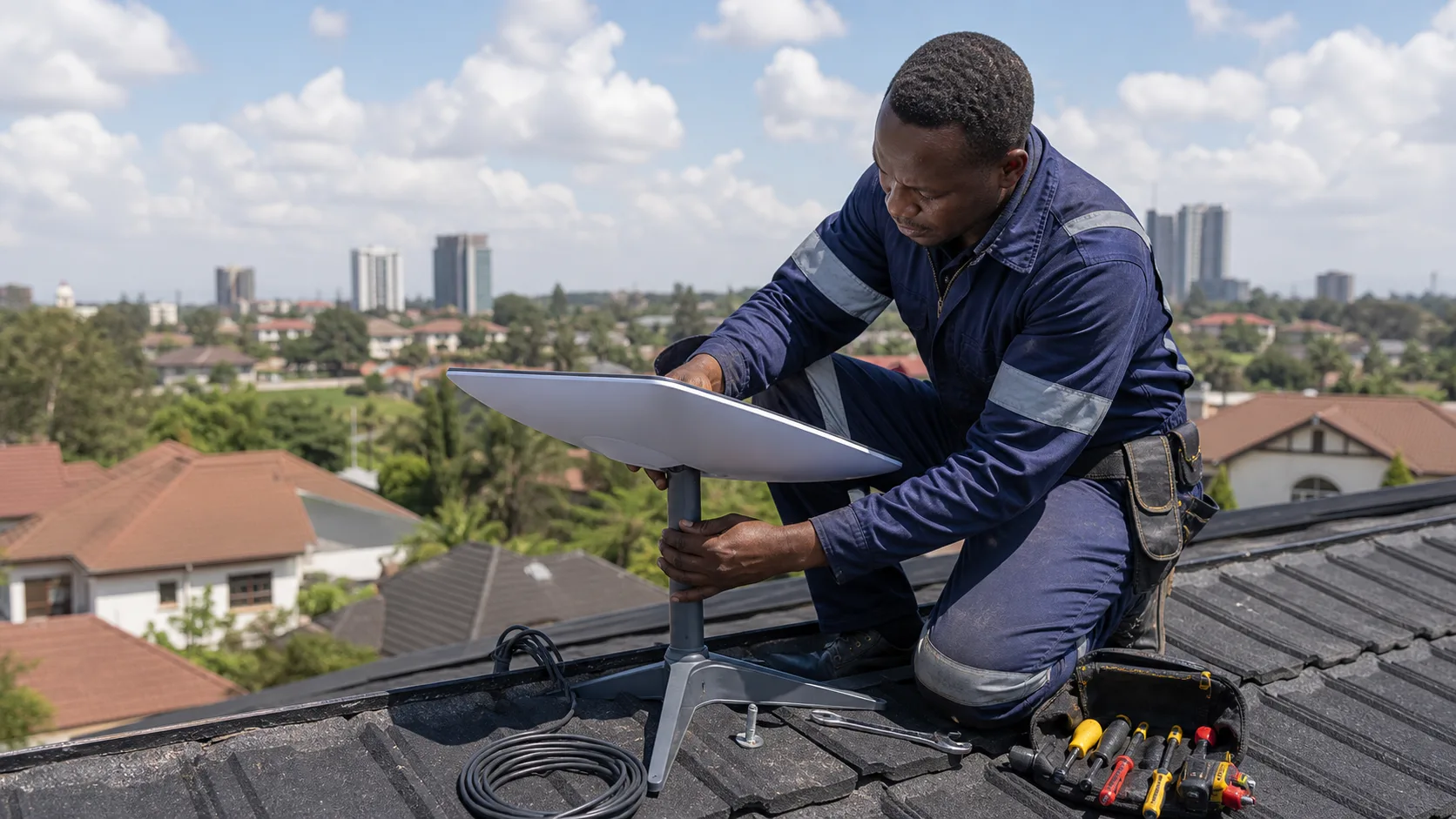
Starlink KITs
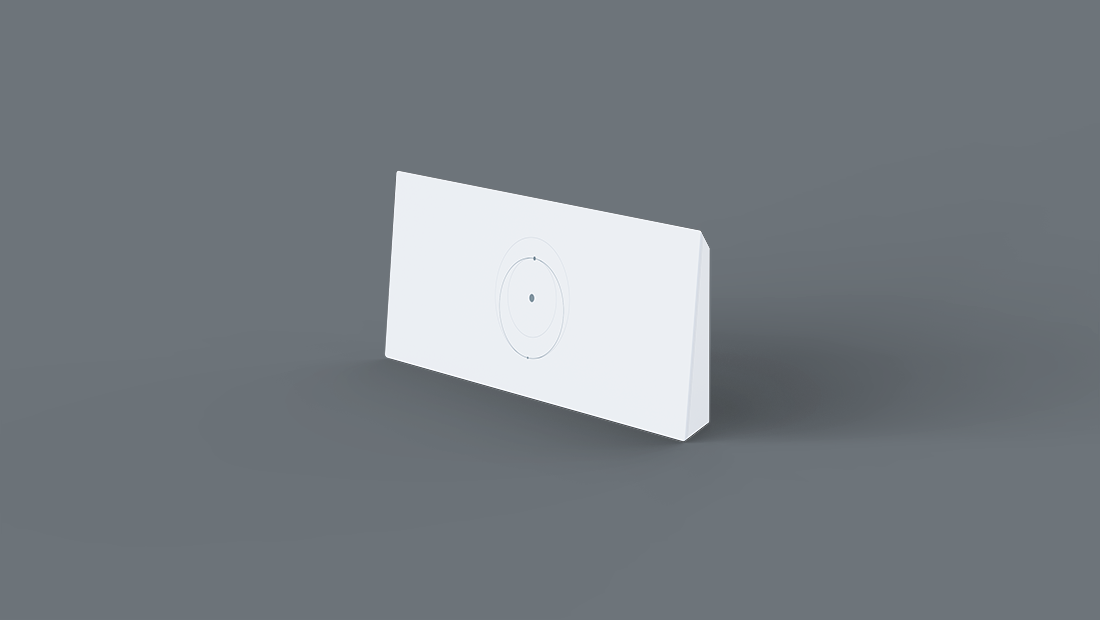
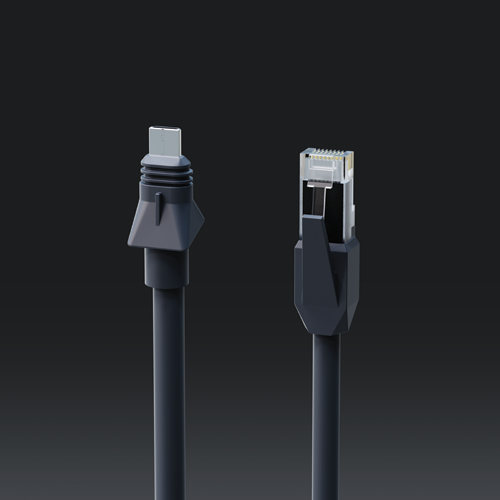
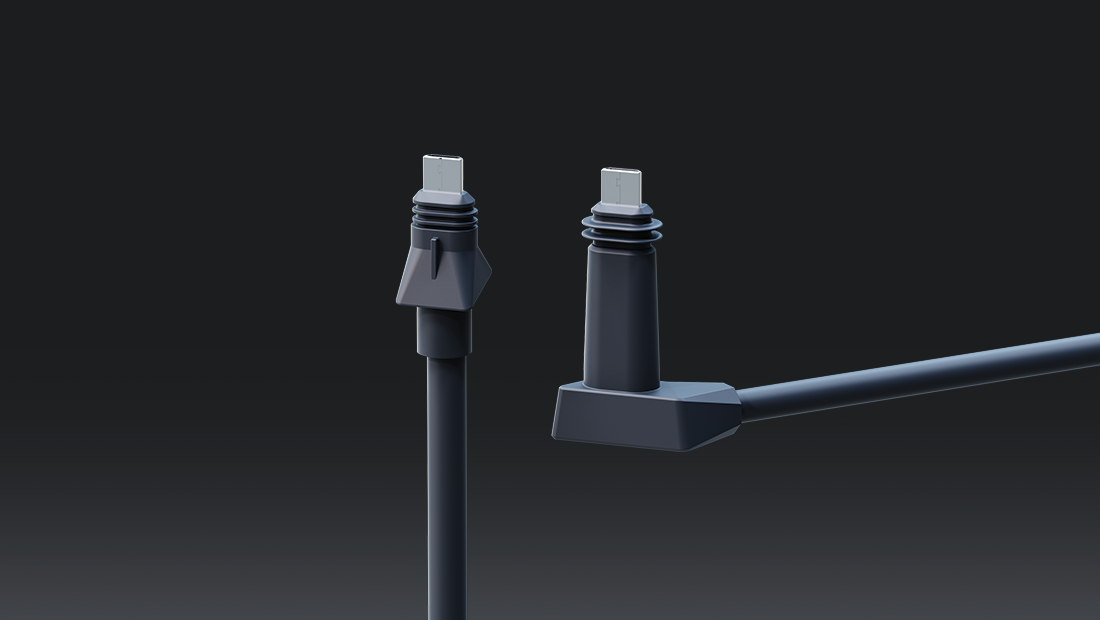

Starlink Mini Price Uganda 2026: Kit Cost, Packages and Installation
Last updated: September 2026
The Starlink Mini price in Uganda is one of the most searched topics among people considering portable satellite internet for homes, farms, safari operations, field teams, NGOs and remote businesses. Following Starlink’s commercial launch in Uganda in September 2026, Ugandan customers can now order the compact Starlink Mini directly through the official ordering process, subject to service availability at their location.
At launch, the Starlink Mini hardware price in Uganda was reported at approximately UGX 1,306,741. Buyers also had to account for a Uganda Communications Commission regulatory charge and delivery costs, bringing the reported initial Mini cost to about UGX 1,859,518 before the monthly internet subscription and any optional installation or networking equipment.
This guide explains the Starlink Mini price Uganda buyers should budget for in 2026, including the kit price, regulatory charges, delivery, monthly plans, accessories, installation and the differences between the Mini and Standard Starlink kits. For a broader overview of satellite internet availability, read our main Starlink Uganda guide. You can also compare all current costs in our Starlink Uganda Prices guide and review available service options in our Starlink Uganda Packages article.
1. How Much Is Starlink Mini in Uganda?
At the September 2026 launch, the reported base price of the Starlink Mini kit in Uganda was:
UGX 1,306,741
This was the hardware price before additional charges.
The launch checkout also included:
-
UGX 437,036 regulatory charge
-
UGX 115,741 delivery charge
Using those figures, the approximate upfront cost became:
UGX 1,859,518
before adding the monthly Starlink subscription, installation and optional accessories.
This distinction is important.
A buyer seeing a headline price of approximately UGX 1.3 million should not assume that is the final amount required to start using Starlink.
2. Starlink Mini Uganda Price Breakdown
Here is a simple breakdown based on reported September 2026 launch pricing:
| Cost item | Reported amount |
|---|---|
| Starlink Mini Kit | UGX 1,306,741 |
| Regulatory charge | UGX 437,036 |
| Delivery | UGX 115,741 |
| Approximate initial total | UGX 1,859,518 |
This estimated total does not include:
-
monthly internet subscription;
-
optional professional installation;
-
wall or pivot mounting accessories;
-
extra networking equipment;
-
backup power.
Customers should therefore calculate the real startup budget before ordering.
3. Does the Starlink Mini Price Include Internet?
No.
The Starlink Mini hardware price and the monthly Starlink internet subscription are separate costs.
Buying the Mini kit gives you the satellite terminal and associated hardware, but you must still subscribe to an eligible Starlink service plan.
At the Uganda launch, reported residential pricing included:
| Package | Reported monthly price |
|---|---|
| Residential Lite | About UGX 203,704/month |
| Residential | About UGX 285,185/month |
Mobility or Roam packages were also reported from about US$55 per month, depending on the plan.
The correct package depends on how the Mini will be used.
4. Total Starlink Mini Cost With One Month of Service
Using the launch figures, a buyer choosing the Mini and Residential Lite could budget approximately:
Mini hardware and mandatory charges: UGX 1,859,518
plus:
Residential Lite: UGX 203,704
for an approximate initial cost of:
UGX 2,063,222
before installation and optional accessories.
If Residential were selected instead:
UGX 1,859,518 + UGX 285,185 = approximately UGX 2,144,703
Again, these are budgeting examples based on launch pricing, not guaranteed permanent prices.
5. What Is the Starlink Mini?
Starlink Mini is a compact Starlink terminal designed around portability.
Unlike larger fixed installations, the Mini combines satellite connectivity and Wi-Fi in a smaller package.
Launch reporting described the Mini as roughly laptop-sized and weighing under 1.5 kg, making it attractive to customers who need internet equipment they can move more easily.
Potential users include:
-
safari operators;
-
travellers;
-
researchers;
-
field workers;
-
farmers;
-
construction crews;
-
NGO teams;
-
remote offices;
-
emergency response teams.
Its compact design is one of the main reasons the Starlink Mini has generated interest across Uganda.
6. Why Is Starlink Mini Popular in Uganda?
Uganda has many areas where fibre infrastructure is limited or unavailable.
The Mini can be particularly useful because it does not need a conventional fibre line to reach the property.
Instead, it communicates with Starlink’s low Earth orbit satellite network.
This can be useful in:
-
remote farms;
-
tourism locations;
-
construction sites;
-
rural schools;
-
field camps;
-
temporary offices;
-
mobile operations.
The portability also makes the Mini more flexible than a permanently installed fixed dish.
7. Starlink Mini Price Uganda vs Standard Kit
The Standard Kit was reported at approximately:
UGX 1,743,778
before regulatory and delivery charges.
The Mini was approximately:
UGX 1,306,741
That means the Mini hardware was roughly:
UGX 437,037 cheaper
than Standard at launch.
Here is a quick comparison:
| Feature | Starlink Mini | Starlink Standard |
|---|---|---|
| Reported hardware price | UGX 1,306,741 | UGX 1,743,778 |
| Portability | Excellent | Lower |
| Compact design | Yes | Larger |
| Integrated Wi-Fi | Yes | Router-based system |
| Fixed home use | Possible | Strong candidate |
| Field use | Excellent | Less convenient |
| Safari use | Strong fit | Possible |
| Permanent office | Depends on requirements | Strong fit |
The Mini is cheaper, but price should not be the only consideration.
8. Which Is Better: Starlink Mini or Standard in Uganda?
The answer depends on how you plan to use the connection.
Choose Starlink Mini if:
-
portability matters;
-
you travel frequently;
-
you work in the field;
-
you need a compact setup;
-
you want lower upfront hardware cost.
Choose Starlink Standard if:
-
the terminal will remain permanently installed;
-
you have heavier household usage;
-
you operate a fixed office;
-
you want a more fixed-site-oriented solution.
Neither kit is automatically better for every buyer.
9. Starlink Mini for Homes in Uganda
The Mini can work as a residential internet solution depending on the package and usage requirements.
A small household may use it for:
-
streaming;
-
online learning;
-
social media;
-
email;
-
remote work;
-
video calls.
However, customers with large homes should remember that Starlink connectivity and Wi-Fi coverage are two separate issues.
The Mini may provide the internet connection, but additional access points may still be necessary.
10. Starlink Mini for Rural Uganda
Rural areas are one of the strongest use cases for Starlink Mini.
Traditional broadband expansion can be difficult when homes or businesses are located far from fibre infrastructure.
Starlink changes this by providing internet through satellites.
Potential rural users include:
-
farmers;
-
schools;
-
health centres;
-
NGOs;
-
guest lodges;
-
community organisations;
-
remote offices.
The property still needs adequate power and clear sky visibility.
11. Starlink Mini for Safari Operators
Uganda’s tourism sector makes the Mini especially attractive.
Safari operators may travel through areas where mobile coverage becomes weak or unavailable.
The Mini can potentially provide connectivity for:
-
guest communications;
-
office applications;
-
booking systems;
-
emergency coordination;
-
staff communication;
-
cloud services.
Its smaller form factor makes it easier to transport between locations.
Launch reporting specifically highlighted safari vehicles and field teams as likely Mini users.
12. Starlink Mini for Hotels and Lodges
A lodge can use Starlink Mini in several ways.
It may serve as:
-
temporary primary internet;
-
backup connectivity;
-
staff internet;
-
emergency connectivity.
However, a larger hotel should not assume one Mini can provide excellent Wi-Fi to every room.
The Starlink connection may need to feed:
-
a business router;
-
managed switches;
-
indoor access points;
-
outdoor access points.
Businesses designing larger networks can browse network switches and networking equipment.
13. Starlink Mini for Farms
Farms may use Starlink Mini for:
-
CCTV;
-
cloud accounting;
-
smart irrigation;
-
weather monitoring;
-
staff communication;
-
remote sensor systems.
The Mini can provide the upstream internet connection.
For large properties, the connection may then be distributed using outdoor wireless links or structured cabling.
14. Starlink Mini for NGOs
Field teams often operate far from established telecommunications infrastructure.
Starlink Mini can support:
-
reporting;
-
mapping;
-
data uploads;
-
video calls;
-
monitoring and evaluation;
-
cloud systems;
-
communication.
The key benefit is portability.
A team can potentially move the system from one location to another where the selected service plan permits it.
15. Starlink Mini for Construction Sites
Construction sites may require internet before permanent infrastructure exists.
A Mini can support:
-
site-office connectivity;
-
CCTV;
-
cloud software;
-
remote meetings;
-
email;
-
VoIP.
When a construction project ends, the equipment can potentially be redeployed elsewhere under an appropriate service plan.
16. Starlink Mini for Travellers
Portable satellite internet becomes particularly useful when travelling beyond areas with strong mobile coverage.
Travellers should nevertheless check their Starlink plan carefully.
A fixed Residential subscription should not automatically be assumed to support unrestricted travel.
Mobility and Roam terms matter.
17. Starlink Mini Monthly Packages Uganda
Hardware and subscription should be chosen together.
The reported Uganda launch packages included:
Residential Lite
Approximately:
UGX 203,704/month
Residential
Approximately:
UGX 285,185/month
Mobility/Roam
Launch reporting indicated mobile plans starting around:
US$55/month
with some options around:
US$85/month.
Current availability should always be checked directly during ordering.
For more detail, see Starlink Uganda Packages.
18. Is Starlink Mini Unlimited in Uganda?
Residential packages were marketed with unlimited data under applicable service terms.
However, unlimited data does not mean guaranteed speed.
Performance can vary because of:
-
congestion;
-
obstructions;
-
weather;
-
service priority;
-
local Wi-Fi conditions.
Residential Lite in particular can receive lower network priority during busy periods.
19. How Fast Is Starlink Mini in Uganda?
Launch reporting stated that Starlink Mini could exceed 300 Mbps in suitable conditions, although users should not interpret this as a guaranteed speed.
Actual performance depends on:
-
location;
-
congestion;
-
satellite visibility;
-
Wi-Fi quality;
-
weather;
-
chosen package.
A realistic buyer should evaluate expected performance rather than rely on one maximum figure.
20. Can Starlink Mini Work With MikroTik?
Yes.
Starlink Mini can form part of a network that uses MikroTik routing equipment.
A MikroTik router can help manage:
-
failover;
-
firewall rules;
-
queues;
-
VLANs;
-
hotspot users;
-
VPNs;
-
bandwidth control.
Businesses can explore MikroTik routers when designing more advanced Starlink networks.
21. Starlink Mini for Hotspot Networks
A hotel, school or commercial property may wish to distribute Starlink connectivity to multiple users.
In that case, the Mini can act as the internet source while other equipment manages access.
A typical architecture could look like:
Starlink Mini → MikroTik Router → Managed Switch → Access Points
Hotspot billing or user-management platforms such as Tajira can also be considered in managed environments.
22. Starlink Mini Installation Cost Uganda
There is no universal installation fee.
Installation cost depends on complexity.
A simple setup may involve:
-
clear open space;
-
accessible mounting point;
-
straightforward cable routing.
A complicated installation may require:
-
roof mounting;
-
poles;
-
additional cabling;
-
access points;
-
network switches;
-
custom configuration.
Professional installation should therefore be quoted based on the site.
23. Can You Install Starlink Mini Yourself?
Yes, many Mini installations can be self-installed.
The Starlink application can help users identify obstructions and choose a suitable position.
Launch reporting indicated that the terminal can typically establish satellite connectivity after placement and power-up, although setup time can vary.
Professional help may still be useful for:
-
roof installations;
-
difficult cable routes;
-
commercial networks;
-
large properties.
For installation-related information, see Satellite Internet Installers and Starlink Kenya Installers.
24. Starlink Mini Accessories Price Uganda
Reported launch accessory pricing included approximately:
| Accessory | Reported price |
|---|---|
| Mini Wall Mount | UGX 231,481 |
| Mini Pivot Mount | UGX 289,333 |
| Mesh Router | UGX 231,481 |
These prices were reported at launch and can change.
Customers should also confirm compatibility before buying accessories.
25. Can Starlink Mini Be Powered From a Vehicle?
One of Mini’s major advantages is flexible power options.
Launch reporting indicated that Mini can be powered through compatible vehicle connections, suitable USB-C power solutions and portable solar equipment.
This makes it attractive for:
-
overland travel;
-
safari vehicles;
-
mobile teams;
-
remote camps.
Power requirements should still be checked against the equipment specification before connecting third-party power sources.
26. Can Starlink Mini Run on Solar Power?
Yes, a correctly designed solar power system can potentially operate Starlink Mini.
The solar system needs adequate:
-
battery capacity;
-
inverter or compatible DC output;
-
charging capacity;
-
daily energy production.
A badly sized solar system may not operate the Mini reliably through the night or during poor weather.
27. Starlink Mini Uganda Delivery Cost
The reported delivery cost at launch was:
UGX 115,741
This amount was separate from the hardware and regulatory charge.
Delivery fees can change, so customers should confirm the amount at checkout.
28. Starlink Mini Uganda Regulatory Fee
At launch, buyers were also charged approximately:
UGX 437,036
as a regulatory charge.
This is a significant part of the upfront cost.
It means the official checkout total is substantially higher than the base hardware price.
29. Starlink Mini Uganda First-Year Cost
Using reported launch figures:
Hardware and mandatory charges
Approximate upfront Mini cost:
UGX 1,859,518
Residential Lite for one year
UGX 203,704 × 12:
UGX 2,444,448
Approximate first-year total
UGX 4,303,966
before installation and optional accessories.
This is useful for comparing Starlink with fibre or mobile broadband over a full year rather than looking only at the hardware price.
30. Starlink Mini With Residential Package First-Year Cost
Using the regular Residential price:
UGX 285,185 × 12:
UGX 3,422,220
Add the approximate upfront Mini cost:
UGX 1,859,518
Approximate first-year total:
UGX 5,281,738
before installation and optional equipment.
31. Is Starlink Mini Expensive?
That depends on the alternative.
In an urban area with affordable fibre, the Mini may seem expensive.
In a remote area with no fibre and unreliable mobile internet, the comparison changes.
The relevant question becomes:
How much would it cost to obtain reliable internet by another method?
In some remote locations, extending fibre could cost considerably more than satellite equipment.
32. Starlink Mini vs Mobile Internet Uganda
Mobile broadband has a lower hardware entry cost.
However, mobile performance depends heavily on tower coverage.
Starlink Mini depends instead on:
-
satellite availability;
-
clear sky;
-
power;
-
active service plan.
Users with strong 4G or 5G may find mobile broadband cheaper.
Users in poorly covered locations may find the Mini more valuable.
33. Starlink Mini vs Fibre Uganda
Fibre remains excellent where available.
It can provide:
-
low latency;
-
high capacity;
-
reliable performance.
Starlink Mini's strength is portability and reach.
It can work in locations where fibre has not been deployed.
The technologies therefore solve different problems.
34. Can You Buy Starlink Mini Locally in Uganda?
Local online marketplaces already list Mini kits at a range of prices.
Current listings show prices significantly above and sometimes below the official launch hardware price, depending on seller, condition and package.
Buyers should be cautious.
Before purchasing from a third party, confirm:
-
ownership;
-
transfer eligibility;
-
account status;
-
hardware condition;
-
Uganda activation compatibility.
35. Why Some Starlink Mini Uganda Prices Are Higher
Local sellers may charge more because of:
-
stock availability;
-
importing costs;
-
reseller margins;
-
bundled installation;
-
accessories;
-
delivery;
-
perceived scarcity.
A higher asking price does not necessarily mean the kit includes more.
Always compare exactly what is included.
36. Should You Buy an Imported Starlink Mini?
Imported equipment can work only if it is eligible for the intended service.
Before buying, verify:
-
country compatibility;
-
account ownership;
-
transfer eligibility;
-
activation status;
-
hardware generation.
Do not buy solely because the imported kit appears cheaper.
37. Is a Used Starlink Mini Worth Buying?
A used Mini can reduce hardware cost.
However, it creates additional risk.
Check:
-
physical condition;
-
ownership transfer;
-
account status;
-
power components;
-
terminal eligibility.
A used terminal that cannot be activated has very little practical value.
38. Starlink Mini Uganda for Business Backup
Businesses can use Mini as a backup connection in some scenarios.
A business might have:
Primary fibre + Starlink Mini backup
connected through a multi-WAN router.
If the fibre fails, traffic can be redirected through Starlink.
This can improve resilience.
For larger enterprise deployments, however, commercial hardware and priority plans may be more appropriate.
Paratus Uganda announced enterprise Starlink services following Uganda’s licensing and launch, illustrating that commercial deployments are already part of the local market.
39. Starlink Mini and Emerging LEO Competition
Starlink is not the only company building low Earth orbit satellite internet.
Amazon is developing a competing LEO constellation.
Readers interested in future alternatives can follow Amazon LEO Internet.
Competition may eventually affect:
-
pricing;
-
hardware;
-
service packages;
-
coverage.
For now, buyers should focus on services that are currently commercially available.
40. Where Starlink Mini Can Be Useful in Uganda
Potential applications exist across:
-
Kampala;
-
Entebbe;
-
Jinja;
-
Mbarara;
-
Gulu;
-
Mbale;
-
Fort Portal;
-
Kabale;
-
Hoima;
-
Arua;
-
rural Uganda.
The strongest use case is often where terrestrial connectivity is weak.
Launch reporting specifically identified remote tourism and field locations as relevant Mini use cases.
41. Common Starlink Mini Buying Mistakes
Looking only at the base kit price
Remember regulatory and delivery charges.
Forgetting the monthly plan
Hardware does not include lifetime internet.
Choosing Mini only because it is cheaper
Standard may better suit some permanent installations.
Ignoring Wi-Fi coverage
A larger property may require additional access points.
Buying unofficial equipment without checking transfer status
This can cause activation problems.
Ignoring power requirements
Remote sites need reliable electricity.
Using the wrong service plan
Fixed and mobility plans serve different use cases.
42. Frequently Asked Questions About Starlink Mini Price Uganda
How much is Starlink Mini in Uganda?
At the September 2026 launch, the reported Mini hardware price was approximately UGX 1,306,741.
What is the total Starlink Mini price in Uganda?
Including the reported regulatory and delivery charges, the approximate initial total was UGX 1,859,518 before subscription and installation.
How much is Starlink Mini per month?
The hardware does not have a monthly hardware payment in the basic purchase model. Customers pay separately for an eligible Starlink service plan.
What is the cheapest Starlink package in Uganda?
At launch, Residential Lite was reported at approximately UGX 203,704 per month.
Does Starlink Mini include Wi-Fi?
Yes. The Mini has integrated Wi-Fi functionality.
Can Starlink Mini be used while travelling?
It is particularly suitable for portable use, but customers need an appropriate mobility plan and must follow current Starlink service terms.
Can Starlink Mini work in rural Uganda?
Yes, subject to service availability, suitable sky visibility and power.
Is Starlink Mini cheaper than Standard?
Yes. At launch, Mini hardware was approximately UGX 437,037 cheaper than Standard.
Can I install Starlink Mini myself?
Many customers can self-install it, although professional installation can be useful for complex sites.
Where can I compare Starlink equipment?
Browse Starlink kits from Orbitlink Solutions, review Starlink kits and accessories, or contact Orbitlink Solutions for networking and hardware guidance.
43. Conclusion: Is the Starlink Mini Price in Uganda Worth It?
The Starlink Mini price in Uganda starts with a reported September 2026 hardware cost of approximately UGX 1,306,741. Once the regulatory charge and delivery are added, the initial cost rises to roughly UGX 1,859,518 before the monthly subscription, professional installation and optional accessories. This means buyers should budget based on the complete cost rather than focusing only on the advertised kit price.
Starlink Mini is particularly attractive for customers who value portability. Safari operators, field teams, farms, travellers, NGOs and remote businesses may benefit from its compact design and ability to establish satellite connectivity in locations where terrestrial broadband is limited. Permanent homes and offices should still compare Mini with Standard before purchasing because the cheaper option is not automatically the best solution.
Before ordering, verify the current price, available package and service eligibility for your exact location. Read our complete Starlink Uganda guide, compare all costs in Starlink Uganda Prices, and review the available Starlink Uganda Packages. You can also explore Starlink equipment from Orbitlink Solutions or contact Orbitlink Solutions when planning your Starlink and networking project.