Power Station vs Power Bank
Discover how power stations and power banks compare in capacity, output, and versatility with Power Station vs Power Bank.......
Products Available
Power Station vs Power Bank Which Portable Power Solution Should You Choose?
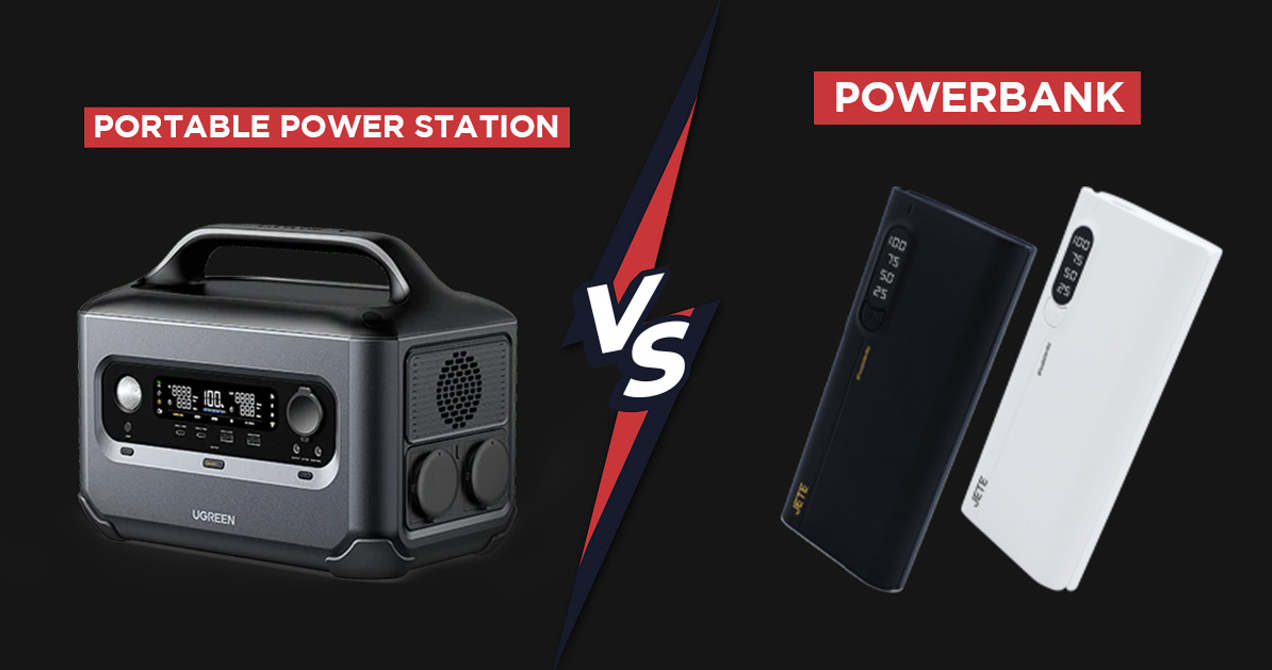
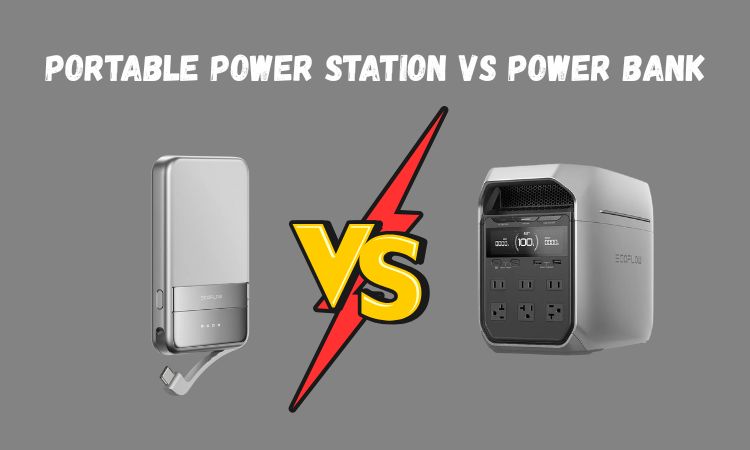
Portable power stations and power banks have become essential charging solutions for people who rely on electronic devices at home, in the office, while traveling, or during outdoor activities. Although both are designed to provide portable power, they serve different purposes and are built to meet different energy requirements. Power banks are compact battery packs primarily intended for charging smartphones, tablets, smartwatches, and other USB-powered devices, while portable power stations offer significantly higher battery capacity and power output, allowing them to run laptops, televisions, Wi-Fi routers, portable refrigerators, lighting systems, power tools, and many other household or outdoor appliances. Understanding the differences between these two solutions helps users choose the most practical option for their specific needs.
The demand for portable energy solutions in Kenya continues to grow due to frequent power outages, remote work, travel, and increased use of electronic devices. Many customers compare portable power stations and power banks before buying. Power banks are ideal for charging small USB devices because they are lightweight, affordable, and easy to carry. Portable power stations, however, are better suited for powering multiple devices and larger appliances during blackouts, camping, business operations, and off-grid use. With AC, DC, USB outputs, solar charging support, and larger battery capacity, they offer a more versatile and reliable backup power solution.
At Orbitlink Solutions, we supply genuine BLUETTI portable power stations, solar generators, expansion batteries, solar panels, and complete energy storage solutions to customers throughout Kenya. Our team helps customers compare portable power stations with conventional power banks and identify the most suitable solution based on their energy requirements, intended applications, and budget. Whether you need a compact charging solution for mobile devices or a high-capacity portable power station capable of running essential appliances during power outages or outdoor adventures, Orbitlink Solutions provides expert consultation, technical support, and authentic BLUETTI products. With the right portable power solution, you can enjoy reliable, efficient, and sustainable energy wherever your work, travel, or lifestyle takes you.
1. What Is a Portable Power Station?

A portable power station is a rechargeable battery-powered energy storage system designed to provide reliable electricity whenever access to the power grid is unavailable or interrupted. Unlike conventional fuel generators that produce electricity by burning petrol or diesel, portable power stations store electrical energy inside advanced lithium batteries and deliver clean, stable power whenever it is needed.
Portable power stations have become increasingly popular in Kenya due to frequent power outages, the growing adoption of remote work, increasing demand for renewable energy, and the need for dependable backup power in homes, businesses, and outdoor environments. They offer a practical solution for powering essential appliances, charging electronic devices, and maintaining productivity during blackouts without the noise, fuel consumption, or emissions associated with traditional generators.
Modern portable power stations combine advanced battery technology, pure sine wave inverters, intelligent battery management systems, and multiple charging options into compact, easy-to-use units. Whether used for home backup, office continuity, camping, emergency preparedness, or off-grid living, they provide a safe, efficient, and environmentally friendly source of portable electricity.
1.1 Understanding Portable Power Stations

Portable power stations are self-contained energy storage systems that capture, store, and supply electrical energy for a wide variety of devices and appliances.
Unlike ordinary power banks that are designed mainly for charging smartphones, portable power stations contain significantly larger batteries and more powerful inverters capable of powering household appliances, office equipment, communication devices, and outdoor electronics.
Rechargeable Battery-Powered Energy Storage Systems
Portable power stations store electricity inside rechargeable lithium batteries that can be used repeatedly over many years.
Once charged, the stored energy is available whenever electricity is required.
Charging Methods
Most portable power stations support multiple charging options, including:
-
AC wall charging
-
Compatible solar panels
-
Vehicle charging
-
Generator charging when necessary
This flexibility allows users to recharge the battery almost anywhere.
Key Characteristics
Modern portable power stations typically include:
-
High-capacity lithium batteries
-
Intelligent Battery Management Systems (BMS)
-
Multiple charging ports
-
LCD information displays
-
Portable designs with carrying handles
Benefits
Users benefit from:
-
Reliable backup electricity
-
Clean energy
-
Quiet operation
-
Easy portability
-
Long battery lifespan
-
Minimal maintenanc
Portable power stations provide dependable, rechargeable electricity for everyday use and emergency situations.
Portable Alternatives to Generators
One of the main reasons portable power stations have gained popularity is their ability to provide electricity without many of the disadvantages associated with fuel-powered generators.
Instead of generating electricity through combustion, portable power stations simply release stored battery energy.
Advantages Over Generators
Portable power stations offer:
-
Silent operation
-
No fuel during operation
-
Zero exhaust emissions while in use
-
Indoor-safe operation
-
Low maintenance
-
Instant electricity at the push of a button
Why This Matters
These advantages make portable power stations ideal for:
-
Homes
-
Apartments
-
Offices
-
Campsites
-
Medical applications
-
Indoor emergency back
Portable power stations provide a cleaner, quieter, and more convenient alternative to traditional generators for many everyday applications.
1.2 How Portable Power Stations Work

Portable power stations operate by storing electrical energy inside rechargeable batteries and supplying that energy through multiple output ports whenever connected devices require power.
An integrated Battery Management System continuously monitors battery health, charging, temperature, and electrical performance to ensure efficient and safe operation.
Store Electricity for Later Use
The primary function of a portable power station is energy storage.
Electricity is stored inside high-capacity lithium batteries until it is needed.
Charging Sources
Portable power stations can be charged from:
-
Household wall sockets
-
Solar panels
-
Vehicle charging systems
-
Compatible generators
Benefits
Stored electricity provides:
-
Backup during blackouts
-
Emergency power
-
Off-grid electricity
-
Reliable portable ener
Stored battery energy allows electricity to be available whenever and wherever it is needed.
Deliver AC, DC, USB, and Type-C Power
Once electricity has been stored, the portable power station distributes power through several output interfaces.
This allows many different types of devices to be connected simultaneously.
Common Output Ports
Most portable power stations include:
-
AC outlets
-
DC outputs
-
USB-A ports
-
USB-C fast charging ports
-
12V vehicle sockets
Devices Commonly Powered
Portable power stations can operate:
-
Smartphones
-
Tablets
-
Laptops
-
Desktop computers
-
Wi-Fi routers
-
Televisions
-
Portable refrigerators
-
Cameras
-
LED lighting
-
Medical devices
-
Communication equipment
Why Multiple Outputs Matter
Multiple ports allow users to charge or operate several devices at the same time, improving convenience during emergencies or outdoor activities.
Versatile power outputs make portable power stations suitable for a wide range of electronic devices and appliances.
1.3 Main Features

Modern portable power stations incorporate advanced technologies that improve safety, reliability, efficiency, and battery lifespan.
Understanding these features helps buyers choose the right model for their specific energy requirements.
High-Capacity Batteries
Battery capacity determines how much electricity a portable power station can store and how long it can power connected devices.
Higher-capacity models provide longer runtimes and support more demanding appliances.
Benefits
High-capacity batteries provide:
-
Longer backup duration
-
More charging cycles
-
Support for multiple devices
-
Improved energy availability
Typical Applications
Larger battery capacities are suitable for:
-
Home backup
-
Offices
-
Camping
-
Emergency preparedness
-
Off-grid liv
Battery capacity is one of the most important factors when selecting a portable power station.
Pure Sine Wave Inverter
A pure sine wave inverter converts stored DC battery power into stable AC electricity similar to the power supplied by the national grid.
Benefits
Pure sine wave technology provides:
-
Stable voltage
-
Safe operation for sensitive electronics
-
Reliable appliance performance
-
Reduced electrical interference
Suitable Equipment
It safely powers:
-
Laptops
-
Televisions
-
Medical equipment
-
Refrigerators
-
Office equi
Pure sine wave inverters ensure safe and reliable power for valuable electronic devices.
Solar Charging Compatibility
Many modern portable power stations support charging from compatible solar panels.
This allows users to generate renewable electricity while reducing dependence on the electrical grid.
Advantages
Solar charging provides:
-
Renewable energy
-
Reduced electricity costs
-
Energy independence
-
Off-grid capability
-
Environmentally friendly operation
Ideal Applications
Solar charging is particularly useful for:
-
Camping
-
Rural homes
-
Remote work
-
Emergency backup
-
Off-grid living
Solar charging significantly increases the flexibility and value of portable power stations.
1.4 Common Applications

Portable power stations are designed to provide reliable electricity across a wide range of residential, commercial, recreational, and emergency situations.
Their versatility makes them suitable for both everyday use and unexpected power interruptions.
Home Backup
Portable power stations provide reliable electricity during blackouts, helping homeowners maintain comfort and communication.
They commonly power:
-
Wi-Fi routers
-
Smartphones
-
Refrigerators
-
Televisions
-
Lighting
-
Laptops
-
Security systems
Homeowners can continue daily activities even when grid power is unavailable.
Business Continuity
Businesses rely on electricity to maintain operations and avoid costly downtime.
Portable power stations support:
-
Computers
-
Networking equipment
-
POS systems
-
CCTV systems
-
Communication devices
-
Office lighting
Benefits
Businesses experience:
-
Increased productivity
-
Reduced downtime
-
Improved customer service
-
Business continui
Portable power stations help businesses remain operational during power interruptions.
Camping
Outdoor enthusiasts use portable power stations to enjoy modern conveniences while travelling away from the electrical grid.
They commonly power:
-
Portable refrigerators
-
Cameras
-
Drones
-
LED lighting
-
Portable fans
-
Smartphones
-
GPS devices
Benefits
Campers enjoy:
-
Quiet operation
-
Renewable solar charging
-
Lightweight portability
-
Reliable off-grid electrici
Portable power stations have become essential equipment for modern camping and outdoor adventures.
Emergency Power
Portable power stations provide dependable backup electricity during emergencies caused by:
-
Power outages
-
Severe weather
-
Natural disasters
-
Infrastructure failures
-
Remote field operations
Critical Equipment
They can support:
-
Medical devices
-
Emergency communication
-
Lighting
-
Refrigeration
-
Mobile phones
-
Internet connectivity
Reliable emergency power improves safety, communication, and preparedness during unexpected events.
Additional Advantages of Portable Power Stations

Beyond their technical capabilities, portable power stations provide practical benefits that improve convenience and reliability across many environments.
They Help Users
-
Stay connected during blackouts
-
Protect sensitive electronics
-
Reduce dependence on fuel
-
Lower maintenance costs
-
Support renewable energy
-
Improve emergency preparedness
-
Enjoy greater mobility
Portable power stations combine advanced technology with practical everyday convenience.
Portable power stations are designed to power multiple devices and even household appliances for extended periods by combining high-capacity rechargeable batteries, pure sine wave inverters, intelligent battery management systems, and versatile charging options into a single portable unit. Their ability to provide clean, quiet, and reliable electricity makes them an excellent alternative to conventional generators for home backup, business continuity, camping, emergency preparedness, and off-grid living. With solar charging compatibility, minimal maintenance requirements, and support for a wide range of electronic devices and appliances, portable power stations have become one of the most practical and versatile backup power solutions available today.
2. What Is a Power Bank?

A power bank is a compact rechargeable battery pack designed to provide portable charging for small electronic devices when access to a wall socket is unavailable. Unlike portable power stations, which are capable of powering household appliances and larger electronics, power banks are primarily intended for charging smartphones, tablets, wireless earbuds, smartwatches, and other USB-powered devices.
Power banks have become essential accessories for people who travel frequently, commute daily, attend outdoor events, or spend long hours away from traditional power sources. Their lightweight construction and pocket-sized designs make them convenient to carry in backpacks, handbags, laptop bags, or even pockets.
Although they offer less battery capacity and fewer output options than portable power stations, power banks provide an affordable and highly portable solution for keeping mobile devices charged throughout the day. Understanding how power banks work and where they are most effective helps users determine whether a power bank or a portable power station is the better choice for their needs.
2.1 Understanding Power Banks

Power banks are rechargeable battery-powered devices that store electrical energy and release it through USB ports to recharge mobile electronics.
Unlike portable power stations, they are not designed to power high-wattage appliances or devices that require AC electricity.
Compact Rechargeable Battery Packs
Inside every power bank is a rechargeable lithium battery that stores electricity for future use.
After charging the power bank from a wall socket or USB charger, the stored energy can be used multiple times to recharge compatible electronic devices.
Main Characteristics
Most power banks include:
-
Rechargeable lithium batteries
-
USB output ports
-
USB-C charging support
-
LED battery indicators
-
Lightweight construction
-
Compact portable design
Benefits
Power banks offer:
-
Convenient mobile charging
-
Easy portability
-
Simple operation
-
Affordable pricing
-
Reliable backup power for small electronic
Power banks provide an easy and portable way to keep mobile devices charged throughout the day.
2.2 How Power Banks Work

Power banks operate by storing electrical energy inside rechargeable batteries and transferring that stored energy to connected devices through USB charging ports.
Unlike portable power stations, power banks do not contain powerful AC inverters because they are designed specifically for USB-powered electronics.
Store Energy for Charging Mobile Devices
The power bank is first charged using:
-
USB wall chargers
-
USB-C chargers
-
Laptop USB ports
-
Vehicle USB chargers
Once fully charged, it stores electrical energy until it is needed.
Charging Process
When a smartphone or other device is connected:
-
The power bank detects the device.
-
Electricity flows through the USB cable.
-
The connected device begins charging.
-
Charging stops automatically when the battery is full (on most modern devices).
Benefits
Users can recharge devices:
-
While travelling
-
During commutes
-
On flights
-
During outdoor activities
-
During short power outages
Power banks provide convenient charging whenever mains electricity is unavailable.
2.3 Main Features

Modern power banks include several features that make them convenient for everyday portable charging.
USB Charging Ports
USB connectivity is the primary output method used by power banks.
Many models include:
-
USB-A ports
-
USB-C ports
-
Fast charging technology
-
Multiple simultaneous charging ports
Benefits
USB outputs allow users to charge:
-
Smartphones
-
Tablets
-
Wireless earbuds
-
Smartwatches
-
Bluetooth speakers
-
Portable gaming device
USB ports provide universal compatibility with most modern mobile electronics.
Lightweight Design
Power banks are designed for everyday portability.
Manufacturers prioritise:
-
Low weight
-
Compact dimensions
-
Comfortable handling
-
Easy transportation
Benefits
Their lightweight design makes them ideal for:
-
Daily commuting
-
Business travel
-
Air travel
-
School
-
Outdoor activities
Lightweight construction makes power banks easy to carry wherever you go.
Pocket-Sized Portability
One of the biggest advantages of power banks is their compact size.
Many models easily fit inside:
-
Trouser pockets
-
Jackets
-
Handbags
-
Laptop bags
-
Backpacks
Benefits
Users enjoy:
-
Greater convenience
-
Immediate accessibility
-
Easy transportation
-
Everyday usability
Pocket-sized portability makes power banks ideal for people constantly on the move.
2.4 Common Applications

Power banks are specifically designed to support small electronic devices that rely on USB charging.
They provide reliable backup power throughout the day without requiring access to mains electricity.
Smartphones
The most common application for power banks is smartphone charging.
They allow users to:
-
Extend battery life
-
Stay connected
-
Make emergency calls
-
Use navigation apps
-
Access mobile banking
Power banks are essential companions for smartphone users.
Tablets
Power banks can also recharge tablets during:
-
Business travel
-
School
-
Flights
-
Outdoor activities
-
Meetings
Benefits
Users maintain productivity without searching for power outlets.
Portable charging improves convenience for tablet users.
Smartwatches
Many smartwatches can be recharged using compatible USB charging accessories connected to a power bank.
Benefits
This ensures:
-
Continuous fitness tracking
-
Health monitoring
-
Notifications
-
GPS functionali
Power banks help smartwatch users remain connected throughout the day.
Wireless Earbuds
Wireless earbuds require frequent charging because of their compact batteries.
A power bank can recharge:
-
Earbud charging cases
-
Individual earbuds
-
Bluetooth audio accessories
Benefits
Users enjoy uninterrupted music, calls, and entertainment while travelling.
Power banks provide convenient charging for wireless audio devices.
Additional Advantages of Power Banks

Power banks have become everyday accessories because they provide convenient portable charging without adding significant weight or bulk.
They Help Users
-
Stay connected
-
Charge devices while travelling
-
Avoid low battery emergencies
-
Reduce dependence on wall sockets
-
Improve productivity
Power banks are practical everyday charging solutions for mobile lifestyles.
Power banks are convenient portable charging devices designed primarily for smartphones, tablets, smartwatches, wireless earbuds, and other USB-powered electronics. Their compact size, lightweight construction, affordability, and ease of use make them ideal for commuting, travel, business, and everyday mobile charging. Although they cannot power household appliances or high-wattage equipment like portable power stations, power banks remain an excellent solution for users who only need to keep their small electronic devices charged while on the move.
3. Power Station vs Power Bank: Key Differences

Although portable power stations and power banks both store electricity inside rechargeable batteries, they are designed for very different purposes. A power bank is intended to recharge small USB-powered electronics, while a portable power station functions as a complete backup power solution capable of operating household appliances, office equipment, outdoor devices, and emergency systems.
Choosing between these two products depends on the amount of electricity you require, the types of devices you intend to power, and how long you need backup power. For users who only need to recharge a smartphone during the day, a power bank is often sufficient. However, those who need to operate laptops, routers, televisions, portable refrigerators, medical equipment, or other larger appliances will benefit significantly from the greater capacity and versatility of a portable power station.
The following comparisons highlight the most important differences between these two portable power solutions.
3.1 Battery Capacity

Battery capacity determines how much electrical energy a device can store and how long it can power connected equipment.
Portable Power Stations
Portable power stations offer significantly larger battery capacities that can support:
-
Household appliances
-
Office equipment
-
Camping gear
-
Emergency backup systems
Depending on the model, they can provide power for several hours or even days.
Power Banks
Power banks have much smaller batteries intended for:
-
Smartphones
-
Tablets
-
Smartwatches
-
Earbuds
They are designed for short-term charging rather than prolonged backup pow
Portable power stations provide far greater battery capacity than power banks.
3.2 Power Output

Power output determines what types of devices can be operated.
Portable Power Stations
Typically include:
-
AC outlets
-
DC outputs
-
USB-A ports
-
USB-C ports
-
12V vehicle sockets
These outputs support both small electronics and larger appliances.
Power Banks
Power banks generally provide:
-
USB-A outputs
-
USB-C outputs
They are not designed to supply AC electricity
Portable power stations offer much greater versatility through multiple output options.
3.3 Types of Devices Supported

One of the biggest differences between these products is the range of equipment they can operate.
Portable Power Stations
Can power:
-
Refrigerators
-
Laptops
-
Wi-Fi routers
-
Televisions
-
Medical equipment
-
Lighting
-
Cameras
-
Portable fans
Power Banks
Primarily charge:
-
Smartphones
-
Tablets
-
Smartwatches
-
Wireless earbuds
-
Bluetooth speakers
Portable power stations support a much wider variety of electrical equipment.
3.4 Portability

Both products are portable, but their size and intended use differ significantly.
Portable Power Stations
Usually feature:
-
Larger batteries
-
Carrying handles
-
Greater weight
-
Higher power capacity
Power Banks
Offer:
-
Pocket-sized designs
-
Lightweight construction
-
Easy everyday transportation
-
Simple mobile charging
Power banks maximise portability, while portable power stations prioritise higher performance.
3.5 Charging Options

Charging flexibility is another important distinction.
Portable Power Stations
Support charging via:
-
AC wall outlets
-
Solar panels
-
Vehicle charging
-
Generator charging
Power Banks
Typically recharge using:
-
USB chargers
-
USB-C charging
-
Laptop USB ports
Portable power stations offer considerably more charging flexibility.
3.6 Cost Comparison

Price differences reflect the capabilities of each product.
Portable Power Stations
Higher purchase prices are justified by:
-
Larger batteries
-
Higher inverter output
-
Longer runtime
-
Greater versatility
-
Support for appliances
Power Banks
Offer:
-
Lower purchase costs
-
Affordable mobile charging
-
Excellent value for everyday use
Which Offers Better Value?
-
Choose a power bank if you only need to charge small USB devices.
-
Choose a portable power station if you require backup power for multiple devices or household appliances.
Portable power stations represent a larger investment but provide substantially greater functionality and long-term value.
The primary differences between portable power stations and power banks lie in their battery capacity, power output, versatility, charging methods, and intended applications. Power banks are compact, lightweight, and affordable solutions for charging smartphones and other USB-powered devices while on the move. Portable power stations, on the other hand, offer significantly larger battery capacities, AC power outlets, multiple charging options, and the ability to operate household appliances, office equipment, camping gear, and emergency backup systems. Understanding these differences helps users select the portable power solution that best matches their energy requirements and lifestyle.
4. What Can Each Device Power?

One of the biggest differences between a power bank and a portable power station is the range of devices each can support. Although both are rechargeable battery-powered solutions, they are designed for completely different levels of energy demand.
A power bank is intended for charging small USB-powered electronics that require relatively little electricity. Its compact size and limited battery capacity make it ideal for everyday mobile use, commuting, travel, and emergency phone charging. It is not designed to operate household appliances or equipment that requires AC power.
A portable power station, on the other hand, is a much more powerful energy storage system. Equipped with larger batteries, pure sine wave inverters, and multiple output ports, it can power everything from laptops and networking equipment to televisions, portable refrigerators, medical devices, and camping appliances. This makes it suitable for home backup, business continuity, outdoor adventures, emergency preparedness, and off-grid living.
Understanding what each device can power helps you choose the solution that best matches your daily energy requirements.
4.1 Devices a Power Bank Can Charge

Power banks are specifically designed to recharge small electronic devices that use USB power.
They provide a convenient source of electricity while travelling, commuting, working, or spending time away from conventional power outlets.
Smartphones
Smartphones are the primary devices charged using power banks.
Whether travelling, attending meetings, or commuting, a power bank helps ensure your phone remains operational throughout the day.
Benefits
Power banks allow users to:
-
Make calls
-
Send messages
-
Use GPS navigation
-
Access mobile banking
-
Browse the internet
-
Stay connected during emergencies
Power banks provide reliable backup charging for smartphones whenever wall outlets are unavailable.
Tablets
Tablets consume more power than smartphones but can still be conveniently recharged using compatible power banks.
Common Uses
Power banks support tablets during:
-
Business travel
-
Remote work
-
Online learning
-
Presentations
-
Entertainment
Benefits
Users maintain productivity while travelling or working remotely.
Power banks are practical charging solutions for tablet users.
Smartwatches
Many smartwatches rely on USB-powered charging accessories.
Power banks provide convenient charging while travelling or spending extended periods outdoors.
Benefits
They help maintain:
-
Health monitoring
-
Fitness tracking
-
GPS functionality
-
Notifications
-
Daily activity tracking
Power banks ensure wearable devices remain powered throughout the day.
Bluetooth Speakers
Portable Bluetooth speakers are popular for travel, outdoor gatherings, camping, and business presentations.
Power banks can recharge these speakers when access to electricity is limited.
Benefits
Users enjoy:
-
Extended music playback
-
Outdoor entertainment
-
Portable audio
-
Continuous presentation
Power banks help keep portable entertainment systems operating for longer.
Wireless Earbuds
Wireless earbuds require frequent charging because of their compact batteries.
Power banks allow users to recharge both earbuds and their charging cases while on the move.
Benefits
They support:
-
Phone calls
-
Music streaming
-
Podcasts
-
Video conferencing
-
Travel entertainment
Power banks are ideal for maintaining battery life in wireless audio devices.
4.2 Devices a Portable Power Station Can Power

Portable power stations are designed to supply significantly more electricity than power banks.
Thanks to their larger batteries, pure sine wave inverters, and AC power outlets, they can operate a wide range of household appliances, office equipment, outdoor devices, and emergency systems.
Laptops
Portable power stations provide reliable electricity for laptops during power outages, remote work, business travel, and camping.
Benefits
They support:
-
Remote work
-
Online meetings
-
Video editing
-
Graphic design
-
Programming
-
Online learning
Portable power stations allow professionals to remain productive even without grid electricity.
Wi-Fi Routers
Internet connectivity is essential for work, communication, and entertainment.
Portable power stations can keep routers and fibre equipment operating during blackouts.
Benefits
They help maintain:
-
Internet access
-
Video conferencing
-
Remote work
-
Online classes
-
Smart home systems
Reliable router backup ensures uninterrupted connectivity during power interruptions.
Televisions
Portable power stations can operate many televisions, allowing families to continue watching news, entertainment, or educational content during outages.
Benefits
Users enjoy:
-
Continuous entertainment
-
Emergency news updates
-
Family convenience
-
Business presentations
Portable power stations provide dependable television backup during blackouts.
LED Lights
LED lighting consumes relatively little electricity, making it an excellent application for portable power stations.
Common Uses
They power:
-
Household lighting
-
Emergency lighting
-
Office lighting
-
Camping lights
-
Outdoor lighting
Benefits
LED lights offer long runtime and improved safety during outages.
Portable power stations easily power LED lighting for extended periods.
Mini Refrigerators
Portable power stations with sufficient battery capacity and inverter output can operate mini refrigerators during power outages, travel, and camping.
Benefits
They help preserve:
-
Food
-
Drinks
-
Medicines
-
Dairy products
Important Considerations
Before selecting a model, verify:
-
Running wattage
-
Startup surge power
-
Required runtime
Portable power stations provide dependable refrigeration backup in many situations.
CPAP Machines
Portable power stations are widely used to power CPAP machines during power outages and off-grid travel.
Benefits
They allow users to:
-
Maintain uninterrupted sleep therapy
-
Travel confidently
-
Camp comfortably
-
Prepare for emergencies
Portable power stations provide reliable backup electricity for essential medical equipment.
Cameras and Drones
Photographers, videographers, surveyors, and content creators rely on portable power stations to recharge cameras, drones, and accessories in remote locations.
Common Equipment
Portable power stations support:
-
DSLR cameras
-
Mirrorless cameras
-
Action cameras
-
Drone batteries
-
Camera lighting
-
Camera accessories
Benefits
They enable:
-
Extended shooting sessions
-
Off-grid production
-
Continuous battery charging
-
Greater productivity
Portable power stations are valuable tools for outdoor photography and professional field work.
Additional Applications of Portable Power Stations

Beyond the examples above, portable power stations can also support many other essential devices depending on their battery capacity and inverter rating.
Additional Equipment
Many models can also power:
-
Desktop computers
-
Computer monitors
-
Security systems
-
Portable fans
-
Electric blankets
-
Coffee makers
-
Small kitchen appliances
-
Communication equipment
Portable power stations offer exceptional flexibility for home, office, outdoor, and emergency applications.
Portable power stations support significantly more devices than standard power banks because they combine larger battery capacities, pure sine wave inverters, AC outlets, and multiple charging interfaces into one versatile energy storage system. While power banks are excellent for charging smartphones, tablets, smartwatches, Bluetooth speakers, and wireless earbuds, portable power stations can also power laptops, Wi-Fi routers, televisions, LED lighting, mini refrigerators, CPAP machines, cameras, drones, and many other household and outdoor appliances. This makes portable power stations the preferred choice for users who require dependable backup power beyond basic mobile device charging.
5. When Should You Choose a Power Bank?

Although portable power stations provide significantly greater power capacity and versatility, they are not always necessary for every situation. For users who only need to recharge smartphones and other small USB-powered devices, a power bank remains one of the most practical, affordable, and portable charging solutions available.
Power banks are designed for mobility. Their compact size, lightweight construction, and simple operation make them ideal for people who spend long periods away from wall sockets but do not require enough power to operate household appliances or larger electronic equipment.
Whether you are commuting to work, travelling for business, attending meetings, or simply preparing for unexpected battery drain during the day, a power bank offers reliable portable charging without adding significant weight to your bag.
5.1 Everyday Mobile Charging

Power banks are perfect for everyday use because they allow users to recharge their mobile devices throughout the day.
Common Devices
They regularly charge:
-
Smartphones
-
Wireless earbuds
-
Smartwatches
-
Bluetooth speakers
Benefits
Users enjoy:
-
Reliable backup charging
-
Greater convenience
-
Reduced battery anxiety
-
Continuous connectivity
Power banks are ideal for everyday mobile charging.
5.2 Commuting
Long commutes often leave little opportunity to recharge mobile devices.
A power bank provides convenient charging during:
-
Bus journeys
-
Train travel
-
Flights
-
Taxi rides
-
Daily commuting
Benefits
Commuters remain connected throughout the day.
Power banks are excellent companions for frequent travellers and commuters.
5.3 Short Business Trips

Business travellers rely heavily on smartphones, tablets, and wireless accessories.
A power bank provides dependable charging during meetings, conferences, and airport transfers.
Benefits
It helps professionals:
-
Stay connected
-
Respond to emails
-
Attend virtual meetings
-
Navigate unfamiliar location
Power banks support productivity during short business travel.
5.4 Emergency Phone Charging
Unexpected battery drain can leave users without communication during important situations.
Power banks provide immediate emergency charging when wall outlets are unavailable.
Benefits
Users maintain access to:
-
Emergency calls
-
Navigation
-
Banking apps
-
Messaging
-
Mobile payments
Power banks provide peace of mind during unexpected battery emergencies.
5.5 Lightweight Travel

Travellers often prioritise compact luggage and lightweight accessories.
Power banks easily fit inside:
-
Handbags
-
Backpacks
-
Laptop bags
-
Jacket pockets
-
Carry-on luggage
Benefits
Their portability makes them ideal for:
-
Holidays
-
Day trips
-
Air travel
-
Conferences
-
Outdoor activities
Power banks provide dependable charging without adding unnecessary bulk.
Power banks are best suited for users who only need to keep mobile devices charged throughout the day. Their lightweight design, compact size, affordability, and USB charging capability make them an excellent choice for everyday mobile charging, commuting, short business trips, emergency phone charging, and travel. While they cannot power household appliances or larger electronic equipment like portable power stations, power banks remain one of the most convenient and cost-effective solutions for maintaining battery life in smartphones, tablets, smartwatches, wireless earbuds, and other small USB-powered devices.
6. When Should You Choose a Portable Power Station?

While power banks are ideal for charging smartphones and other small USB-powered devices, there are many situations where a portable power station is the far better solution. Portable power stations offer substantially larger battery capacities, higher power output, multiple charging options, and the ability to operate a wide variety of household appliances, office equipment, medical devices, and outdoor electronics.
They are designed for users who require dependable backup power for extended periods, whether at home, in the office, on camping trips, or in remote locations without access to the electrical grid. Modern portable power stations also support renewable solar charging, making them an environmentally friendly alternative to fuel generators in many applications.
If your energy requirements extend beyond charging a mobile phone, investing in a portable power station provides greater flexibility, convenience, and long-term value.
6.1 Home Backup Power

Power outages can interrupt daily activities, damage productivity, and affect comfort in both urban and rural homes.
A portable power station provides dependable electricity during blackouts, allowing homeowners to continue using essential appliances until mains electricity is restored.
Common Household Equipment
Portable power stations commonly power:
-
Wi-Fi routers
-
Smartphones
-
Laptops
-
Televisions
-
LED lighting
-
Refrigerators
-
Security systems
-
Desktop computers
Benefits
Homeowners enjoy:
-
Continuous communication
-
Reliable internet access
-
Food preservation
-
Improved household comfort
-
Emergency preparedness
Why Choose a Portable Power Station?
Unlike generators, portable power stations operate quietly, require no fuel during use, and can safely be used indoors according to the manufacturer's instructions.
Portable power stations provide reliable and convenient backup electricity for modern homes.
6.2 Office Backup

Businesses rely heavily on continuous electricity to maintain operations and serve customers.
Even short power interruptions can lead to lost productivity, interrupted meetings, and communication failures.
Portable power stations help businesses remain operational by supplying backup electricity to critical office equipment.
Equipment Commonly Powered
They support:
-
Desktop computers
-
Laptops
-
Wi-Fi routers
-
Fibre terminals
-
POS systems
-
Printers
-
CCTV systems
-
Office lighting
Benefits
Businesses experience:
-
Reduced downtime
-
Improved productivity
-
Better customer service
-
Business continuity
-
Reliable communication
Portable power stations are excellent backup solutions for offices and small businesses.
6.3 Camping and Outdoor Adventures

Portable power stations have become essential equipment for modern campers, overlanders, caravan owners, photographers, and outdoor enthusiasts.
They provide dependable off-grid electricity without the noise, fuel consumption, or emissions associated with conventional generators.
Common Camping Equipment
Portable power stations operate:
-
Portable refrigerators
-
LED lighting
-
Cameras
-
Drones
-
Portable fans
-
Smartphones
-
GPS devices
-
Bluetooth speakers
Benefits
Outdoor users appreciate:
-
Quiet operation
-
Lightweight portability
-
Solar charging compatibility
-
Long battery runtime
-
Low maintenance
Portable power stations provide reliable electricity for comfortable and enjoyable outdoor adventures.
6.4 Remote Work

Remote work has increased the demand for dependable backup power.
Power interruptions can disrupt meetings, internet connectivity, and important projects.
Portable power stations allow professionals to continue working almost anywhere.
Equipment Supported
They commonly power:
-
Laptops
-
Monitors
-
Wi-Fi routers
-
Fibre terminals
-
Smartphones
-
Tablets
Benefits
Users enjoy:
-
Continuous productivity
-
Stable internet access
-
Reduced work interruptions
-
Flexible working environments
Portable power stations are valuable tools for remote workers and freelancers.
6.5 Solar Energy Storage
Many modern portable power stations support charging from compatible solar panels.
This allows users to generate renewable electricity during the day and store it for later use.
Benefits
Solar charging provides:
-
Renewable energy
-
Reduced electricity costs
-
Greater energy independence
-
Longer off-grid operation
-
Environmentally friendly backup power
Ideal Applications
Perfect for:
-
Rural homes
-
Camping
-
Remote work
-
Emergency preparedness
-
Off-grid living
Solar charging significantly increases the flexibility and value of portable power stations.
6.6 Emergency Preparedness

Unexpected emergencies such as storms, floods, infrastructure failures, or extended blackouts can leave homes and businesses without electricity.
Portable power stations provide immediate backup power for critical equipment during these situations.
Essential Equipment
They can support:
-
Medical devices
-
Communication equipment
-
Refrigerators
-
Lighting
-
Wi-Fi routers
-
Mobile phones
-
Emergency radios
Benefits
Users gain:
-
Improved safety
-
Reliable communication
-
Better emergency preparedness
-
Protection for essential appliances
Portable power stations provide dependable electricity when it matters most.
Popular BLUETTI Models

BLUETTI offers portable power stations suitable for virtually every energy requirement.
BLUETTI AC2A
Ideal for:
-
Everyday backup
-
Students
-
Mobile professionals
-
Small electronic devices
BLUETTI EB3A
Excellent for:
-
Remote work
-
Travel
-
Camping
-
Small home backup
BLUETTI AC70
Perfect for:
-
Families
-
Outdoor adventures
-
Portable refrigerators
-
Medium-power appliances
BLUETTI AC180
Recommended for:
-
Home backup
-
Office backup
-
Extended camping
-
Refrigerators
-
Larger appliances
BLUETTI AC200L
Suitable for:
-
Large homes
-
Businesses
-
Long-duration outages
-
Off-grid applications
BLUETTI Elite Series
Designed for:
-
Premium energy storage
-
Expandable backup systems
-
Residential energy independence
-
Commercial applications
Portable power stations are the ideal solution for users who require dependable backup power for multiple devices and household appliances. Whether supporting essential equipment during home blackouts, maintaining business continuity, powering remote workstations, enabling comfortable camping experiences, storing renewable solar energy, or preparing for emergencies, they provide significantly greater versatility than ordinary power banks. With advanced LiFePO₄ battery technology, pure sine wave inverters, multiple output ports, and solar charging compatibility, BLUETTI portable power stations offer reliable, efficient, and long-lasting power solutions for virtually every lifestyle and application.
7. Why Buy a BLUETTI Portable Power Station from Orbitlink Solutions

Investing in a portable power station is a long-term decision, making it essential to purchase from a trusted supplier that offers genuine products, expert guidance, and dependable after-sales support. Orbitlink Solutions is a trusted supplier of genuine BLUETTI portable power stations and portable energy solutions in Kenya, helping homeowners, businesses, institutions, travellers, and outdoor enthusiasts choose reliable backup power systems tailored to their specific needs.
Whether you need a compact portable power station for everyday use or a high-capacity system for home backup and off-grid living, Orbitlink Solutions provides professional consultation, competitive pricing, and ongoing technical support to ensure you make the right investment.
7.1 Genuine BLUETTI Products

Orbitlink Solutions supplies authentic BLUETTI portable power stations sourced through authorised distribution channels.
Benefits
Customers receive:
-
Genuine BLUETTI products
-
Manufacturer warranty
-
Premium build quality
-
Advanced safety features
-
Long-term reliability
Buying genuine BLUETTI products protects your investment and guarantees dependable performance.
7.2 Long-Lasting LiFePO₄ Battery Technology

BLUETTI portable power stations use advanced LiFePO₄ battery technology designed for durability, safety, and thousands of charging cycles.
Advantages
LiFePO₄ batteries offer:
-
Longer service life
-
Excellent thermal stability
-
Consistent performance
-
Enhanced safety
-
Reduced maintenance
LiFePO₄ technology provides dependable backup power for many years.
7.3 Professional Product Consultation

Choosing the correct portable power station depends on your energy requirements, appliance wattage, expected runtime, and future expansion plans.
Orbitlink Solutions provides personalised guidance to help every customer choose the right BLUETTI model.
Consultation Includes
-
Appliance compatibility
-
Battery capacity recommendations
-
Runtime estimation
-
Solar charging advice
-
Budget planning
-
Product comparisons
Professional consultation ensures customers purchase the most suitable portable power station.
7.4 Technical Support

Orbitlink Solutions provides comprehensive technical support before and after every purchase.
Services Include
-
Product setup assistance
-
Battery maintenance advice
-
Solar charging guidance
-
Troubleshooting
-
Warranty support
-
Performance optimisation
Reliable technical support helps customers maximise product performance throughout its lifespan.
7.5 Nationwide Delivery

Orbitlink Solutions supplies BLUETTI portable power stations to customers throughout Kenya.
Benefits
Customers receive:
-
Fast nationwide delivery
-
Secure packaging
-
Convenient ordering
-
Reliable logistics
Nationwide delivery makes premium portable power solutions accessible across Kenya.
7.6 After-Sales Support

Customer support continues long after the initial purchase.
Orbitlink Solutions assists customers with product maintenance, warranty services, troubleshooting, and future upgrades.
Support Includes
-
Warranty assistance
-
Technical guidance
-
Maintenance recommendations
-
Product optimisation
-
Upgrade advice
Reliable after-sales support helps customers enjoy dependable backup power for years.
Visit Our Office

Office Address
Lyric House, 7th Floor Room S9
Kimathi Street, Nairobi CBD
Call / Text / WhatsApp
+254743720551
Orbitlink Solutions helps customers choose the right BLUETTI portable power station based on their energy needs, intended applications, and budget. By supplying genuine BLUETTI products equipped with long-lasting LiFePO₄ battery technology, pure sine wave inverters, and solar charging compatibility, the company delivers reliable backup power solutions for homes, businesses, outdoor adventures, remote work, and emergency preparedness. Combined with professional product consultation, technical support, nationwide delivery, and dependable after-sales service, Orbitlink Solutions ensures customers receive both a high-quality portable power station and the expert support needed to maximise its performance and long-term value.
8. FAQs About Power Stations vs Power Banks
Choosing between a portable power station and a power bank depends on your energy requirements, the devices you intend to power, and where you plan to use them. Although both products store electricity in rechargeable batteries, they are designed for very different purposes. A power bank is ideal for charging small USB-powered devices while travelling, whereas a portable power station is a complete backup power solution capable of powering laptops, routers, televisions, refrigerators, and many other appliances.
The following frequently asked questions explain the key differences between these two portable energy solutions and help you determine which option best suits your lifestyle, budget, and power needs.
8.1 What Is the Difference Between a Power Station and a Power Bank?
The biggest difference lies in their battery capacity, power output, and intended applications.
A power bank is a compact rechargeable battery designed primarily for charging smartphones, tablets, smartwatches, and other USB-powered devices.
A portable power station is a much larger energy storage system equipped with high-capacity batteries, AC outlets, DC outputs, USB ports, and pure sine wave inverters capable of powering both small electronics and household appliances.
Power Banks Are Designed For
-
Smartphones
-
Tablets
-
Wireless earbuds
-
Smartwatches
-
Bluetooth speakers
Portable Power Stations Can Power
-
Laptops
-
Wi-Fi routers
-
Televisions
-
Refrigerators
-
LED lighting
-
CPAP machines
-
Cameras
-
Drones
-
Office equipment
Power banks provide portable charging for small electronics, while portable power stations deliver comprehensive backup power for a much wider range of devices.
8.2 Which Is Better, a Power Station or a Power Bank?

Neither product is universally better—the right choice depends on your energy requirements.
Choose a Power Bank If You Need
-
Everyday phone charging
-
Lightweight portability
-
Short business trips
-
Daily commuting
-
Emergency phone charging
Choose a Portable Power Station If You Need
-
Home backup
-
Office backup
-
Camping
-
Remote work
-
Solar energy storage
-
Emergency preparedness
Power banks are best for mobile charging, while portable power stations are ideal for users requiring reliable backup power for multiple devices and appliances.
8.3 Can a Power Bank Replace a Portable Power Station?
Generally, no.
Although power banks are excellent for charging USB-powered electronics, they lack the battery capacity and AC power outputs required to operate larger devices.
Power Banks Cannot Normally Power
-
Refrigerators
-
Wi-Fi routers for extended periods
-
Televisions
-
Desktop computers
-
Medical equipment
-
Household appliances
Portable power stations are specifically designed for these applications.
Power banks complement portable power stations but cannot replace them when higher power capacity is required.
8.4 Can a Portable Power Station Charge Phones and Laptops?
Yes.
Portable power stations are extremely versatile and can charge virtually all USB-powered devices while also supplying AC electricity to larger equipment.
Common Devices
They can charge or power:
-
Smartphones
-
Tablets
-
Laptops
-
Cameras
-
Drones
-
Smartwatches
-
Wireless earbuds
-
Bluetooth speakers
Benefits
Users enjoy:
-
Multiple charging ports
-
Fast charging capability
-
Simultaneous charging
-
Extended runtime
Portable power stations provide all the charging capabilities of a power bank while offering much greater functionality.
8.5 Can a Power Station Run Household Appliances
Yes.
Depending on battery capacity and inverter output, portable power stations can operate many household appliances.
Common Appliances
Suitable equipment includes:
-
Refrigerators
-
Televisions
-
Wi-Fi routers
-
LED lighting
-
Desktop computers
-
Fans
-
Coffee makers (model dependent)
-
Medical devices
Important Considerations
Before choosing a model, evaluate:
-
Appliance wattage
-
Startup surge
-
Desired runtime
-
Battery capacity
Portable power stations provide dependable electricity for many household appliances during blackouts.
8.6 Which Option Is Better for Camping?
For most camping situations, a portable power station is the better choice.
While power banks are useful for charging smartphones and small electronics, portable power stations can also operate camping refrigerators, LED lights, fans, cameras, drones, laptops, and other outdoor equipment.
Power Banks
Ideal for:
-
Day trips
-
Charging phones
-
Charging tablets
-
Lightweight travel
Portable Power Stations
Better for:
-
Weekend camping
-
Family camping
-
Overlanding
-
Caravan travel
-
Off-grid adventures
Portable power stations provide significantly greater flexibility and comfort during camping trips.
8.7 Can Portable Power Stations Be Charged Using Solar Panels?
Yes.
Most modern BLUETTI portable power stations support charging from compatible solar panels.
Benefits
Solar charging offers:
-
Renewable electricity
-
Reduced energy costs
-
Extended off-grid runtime
-
Greater energy independence
-
Environmentally friendly operation
Ideal Applications
Perfect for:
-
Camping
-
Rural homes
-
Emergency backup
-
Remote work
-
Off-grid living
Solar charging greatly increases the flexibility and usefulness of portable power stations.
8.8 Are Portable Power Stations Worth Buying?
Yes.
For users who require dependable backup electricity, portable power stations offer excellent long-term value.
Benefits
They provide:
-
Reliable backup power
-
Quiet operation
-
No fuel during operation
-
Low maintenance
-
Solar charging compatibility
-
Long battery lifespan
Suitable Users
Ideal for:
-
Homeowners
-
Businesses
-
Campers
-
Remote workers
-
Travellers
-
Emergency preparedness
Portable power stations are worthwhile investments for anyone needing reliable portable electricity.
8.9 Which BLUETTI Model Is Best for Beginners?
The ideal model depends on your intended use.
Recommended Beginner Models
BLUETTI AC2A
Suitable for:
-
Students
-
Everyday charging
-
Basic backup
-
Travel
BLUETTI EB3A
Excellent for:
-
Home backup
-
Camping
-
Remote work
-
Small appliances
Larger Models
For higher energy requirements, consider:
-
BLUETTI AC70
-
BLUETTI AC180
-
BLUETTI AC200L
The AC2A and EB3A are excellent starting points for first-time portable power station users.
8.10 How Long Do Portable Power Stations Last?
Portable power stations are designed to provide reliable service for many years.
Models equipped with advanced LiFePO₄ batteries typically support thousands of charging cycles before experiencing noticeable capacity reduction.
Factors Affecting Lifespan
Battery life depends on:
-
Battery technology
-
Charging habits
-
Storage conditions
-
Operating temperature
-
Frequency of use
Extending Battery Life
Users should:
-
Follow charging recommendations
-
Avoid extreme temperatures
-
Store the battery correctly
-
Use compatible chargers
Quality portable power stations provide dependable long-term performance with proper care.
8.11 Where Can I Buy a Genuine BLUETTI Portable Power Station in Kenya?
To ensure product authenticity, warranty protection, and dependable after-sales support, purchase your portable power station from a trusted supplier.
Why Choose Orbitlink Solutions?
Customers receive:
-
Genuine BLUETTI products
-
Competitive pricing
-
Manufacturer warranty
-
Professional consultation
-
Technical support
-
Nationwide delivery
-
After-sales services
Buying from an authorised supplier protects your investment and guarantees reliable long-term performance.
8.12 Does Orbitlink Solutions Provide Technical Support and Product Recommendations?
Yes.
Orbitlink Solutions provides comprehensive consultation and technical support to help customers choose the most suitable BLUETTI portable power station for their specific requirements.
Services Include
Customers benefit from:
-
Product recommendations
-
Appliance compatibility assessments
-
Runtime calculations
-
Solar charging guidance
-
Technical support
-
Warranty assistance
-
After-sales service
Visit Our Office
Lyric House, 7th Floor Room S9
Kimathi Street, Nairobi CBD
Call / Text / WhatsApp
+254743720551
Orbitlink Solutions provides expert guidance before purchase and dependable technical support throughout the life of your portable power station.
Choosing between a power bank and a portable power station depends entirely on your energy requirements. Power banks are lightweight, affordable, and ideal for charging smartphones, tablets, and other USB-powered devices while travelling or commuting. Portable power stations, however, offer significantly larger battery capacities, AC power outlets, pure sine wave inverters, and solar charging compatibility, enabling them to power household appliances, office equipment, camping gear, and emergency backup systems. For users seeking dependable, long-term backup power, a genuine BLUETTI portable power station from Orbitlink Solutions provides an excellent combination of performance, durability, expert technical support, and outstanding long-term value.
Power Bank vs Portable Power Station: Choosing the Right Portable Power Solution
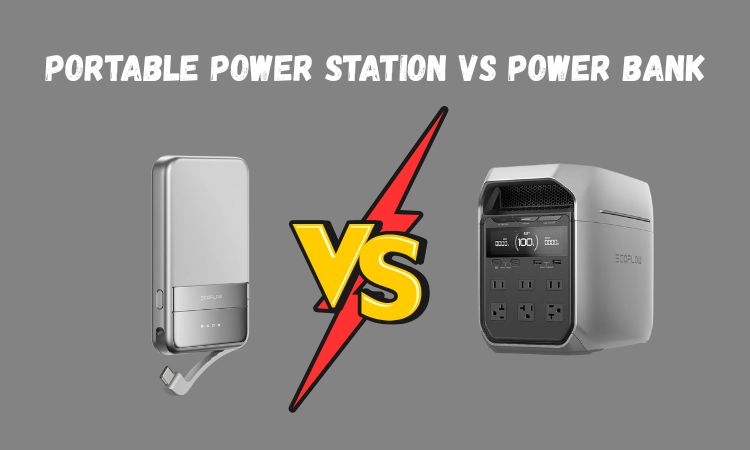
Power banks and portable power stations both play important roles in keeping devices powered, but they are designed to meet different energy requirements. Power banks are compact, lightweight, and ideal for charging smartphones, tablets, wireless earbuds, smartwatches, and other small USB-powered devices while on the move. Portable power stations, on the other hand, offer significantly larger battery capacities and are designed to provide dependable backup power for homes, businesses, travel, camping, emergency preparedness, and off-grid applications where more power and longer runtimes are required.
One of the biggest advantages of a portable power station is its ability to power a much wider range of devices. In addition to USB charging, portable power stations provide AC outlets, DC outputs, and multiple charging ports, allowing them to run household appliances, office equipment, televisions, laptops, Wi-Fi routers, portable refrigerators, medical devices, and other essential electronics. Many models also support solar charging, making them an environmentally friendly and highly versatile solution for users who need reliable backup power beyond what a traditional power bank can provide.
BLUETTI portable power stations are trusted worldwide for their advanced LiFePO4 battery technology, exceptional battery lifespan, reliable backup performance, and industry-leading safety features. Whether you need a compact solution for everyday backup or a high-capacity power station for home and business use, BLUETTI offers dependable products designed to deliver long-term value and performance. At Orbitlink Solutions, we proudly supply genuine BLUETTI portable power stations and energy solutions throughout Kenya. Visit us at Lyric House, 7th Floor Room S9, Kimathi Street, Nairobi CBD, call, text, or WhatsApp +254743720551, or email info@orbitlinksolutions.co.ke and orbitlinksolutions@gmail.com for quotations, product recommendations, technical support, and purchases. Discover our complete range of BLUETTI power solutions by visiting Orbitlink Solutions.