Power Station vs Generator
Discover the pros and cons of clean battery power and fuel-powered generators with Power Station vs Generator............
Products Available
Power Station vs Generator Which Backup Power Solution Is Best for You?
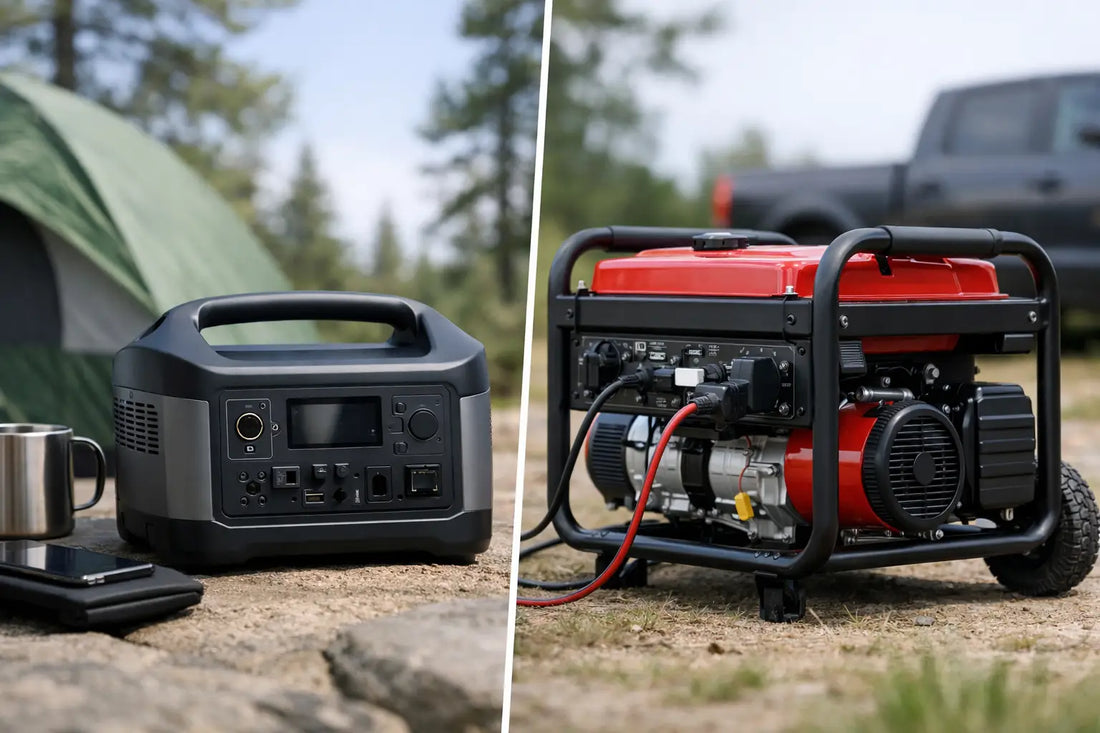
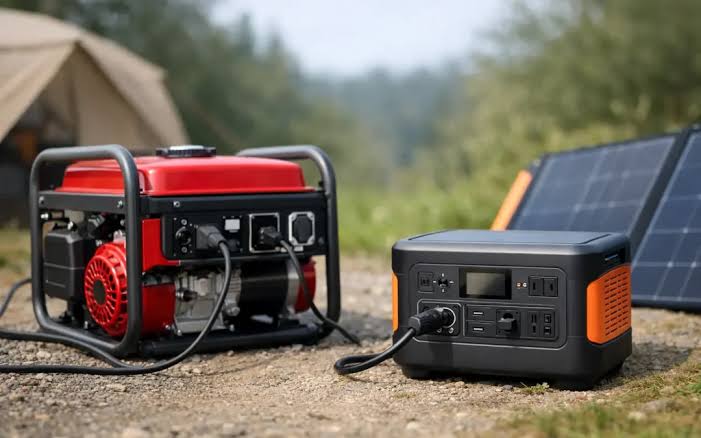
Portable power stations and fuel-powered generators .are two of the most widely used backup power solutions for homes, businesses, outdoor activities, and emergency preparedness. Both are designed to provide electricity when grid power is unavailable, but they differ significantly in how they operate, the types of devices they can power, and their overall user experience. Portable power stations use rechargeable lithium batteries to deliver clean, quiet, and emission-free electricity, while conventional generators rely on petrol or diesel engines to produce continuous power. Understanding these differences is essential when choosing the most suitable backup power solution for your specific needs.
The demand for reliable backup power in Kenya continues to grow due to frequent power outages and rising energy needs. Many customers compare portable power stations and generators before buying. Portable power stations are ideal for powering electronics, household appliances, office equipment, and medical devices because they are quiet, low-maintenance, and rechargeable via AC, solar, or vehicle charging. Generators are better suited for heavy-duty loads and extended use but require fuel, produce noise and emissions, and need regular maintenance. The best option depends on your power needs, budget, and preference for clean, renewable energy.
At Orbitlink Solutions, we provide genuine BLUETTI portable power stations, solar generators, expansion batteries, solar panels, and complete energy storage solutions to customers across Kenya. Our team helps customers evaluate their backup power needs and select the most suitable solution for home backup, business continuity, outdoor activities, travel, and off-grid applications. Whether you are looking for a compact portable power station for everyday use or a high-capacity backup power system for critical operations, Orbitlink Solutions offers expert consultation, technical support, and authentic BLUETTI products designed to deliver reliable, efficient, and environmentally friendly power. With the right backup power solution, you can enjoy greater energy independence, reduced operating costs, and dependable electricity whenever you need it.
1. What Is a Portable Power Station?

Portable power stations are rechargeable battery-powered energy storage systems designed to provide reliable electricity whenever access to the power grid is unavailable or interrupted. They have become increasingly popular as clean, quiet, and portable alternatives to conventional fuel generators, offering dependable backup power for homes, businesses, outdoor adventures, and emergency situations.
Unlike traditional generators that rely on petrol or diesel engines, portable power stations store electrical energy inside rechargeable lithium batteries and deliver clean, stable power through multiple output ports. They produce virtually no noise, require no fuel during operation, and generate no harmful exhaust emissions, making them suitable for both indoor and outdoor use.
Modern portable power stations combine advanced battery technology, intelligent power management, and multiple charging options into a compact unit that is easy to transport. Whether you need to power essential household appliances during a blackout, keep your office running, charge electronic devices while travelling, or provide electricity at remote work sites, a portable power station offers a practical and environmentally friendly solution.
Understanding how portable power stations work and the features they offer will help you choose the right model for your energy requirements.
1.1 Understanding Portable Power Stations

A portable power station is a self-contained energy storage system that stores electricity in rechargeable lithium batteries and supplies power to electrical devices whenever required.
Unlike small power banks that are designed primarily for charging phones, portable power stations are equipped with much larger batteries and powerful inverters capable of operating a wide variety of electronic devices and household appliances.
Rechargeable Battery-Powered Energy Storage Systems
Portable power stations are designed to capture, store, and deliver electrical energy safely and efficiently.
Once charged, they provide electricity without requiring fuel or complicated installation.
Most portable power stations can be recharged using:
-
AC wall outlets
-
Compatible solar panels
-
Vehicle charging sockets
-
Portable generators when necessary
Main Characteristics
Modern portable power stations typically include:
-
High-capacity lithium batteries
-
Pure sine wave inverters
-
Battery Management Systems (BMS)
-
LCD display screens
-
Multiple charging outputs
-
Compact and portable construction
Benefits
Users benefit from:
-
Reliable backup electricity
-
Quiet operation
-
Zero fuel consumption
-
Easy transportation
-
Safe indoor use
Portable power stations provide a flexible and dependable way to store and access electricity whenever it is needed.
Portable Alternatives to Conventional Generators
Portable power stations offer a modern alternative to petrol and diesel generators.
Rather than generating electricity through an engine, they store energy inside rechargeable batteries and deliver it silently whenever required.
Advantages Over Fuel Generators
Compared with conventional generators, portable power stations provide:
-
Silent operation
-
No fuel requirements
-
Zero exhaust emissions
-
Indoor-safe operation
-
Lower maintenance
-
Instant power availability
Common Uses
They are widely used for:
-
Residential backup power
-
Office backup
-
Outdoor recreation
-
Mobile businesses
-
Emergency preparedness
-
Off-grid living
Portable power stations combine convenience, efficiency, and environmental sustainability in a compact backup power solution.
1.2 How Portable Power Stations Work

Portable power stations operate by storing electrical energy inside rechargeable batteries and delivering that stored energy through multiple output ports when connected devices require power.
An intelligent Battery Management System continuously monitors charging, battery health, and electrical output to ensure safe and efficient performance.
Store Electricity for Later Use
Portable power stations first store electrical energy inside their rechargeable lithium batteries.
Users can recharge the battery using several different energy sources.
Charging Methods
Common charging options include:
-
Household wall outlets
-
Solar panels
-
Vehicle charging
-
Portable generators
Once charged, the stored electricity remains available until it is needed.
Benefits
Stored electricity provides:
-
Emergency backup power
-
Portable energy
-
Reliable off-grid electricity
-
Improved energy independence
Energy storage enables users to access electricity wherever and whenever it is required.
Deliver Power Through AC, DC, USB, and Type-C Outputs
After storing electricity, portable power stations distribute energy through multiple output interfaces designed for different types of devices.
Common Output Options
Most models include:
-
AC outlets
-
DC outputs
-
USB-A ports
-
USB-C fast charging ports
-
12V vehicle sockets
Devices Commonly Powered
Depending on battery capacity and inverter output, portable power stations can operate:
-
Smartphones
-
Tablets
-
Laptops
-
Wi-Fi routers
-
Televisions
-
Cameras
-
Drones
-
Portable refrigerators
-
Medical equipment (within specifications)
Why It Matters
Multiple output options allow users to charge or operate several devices simultaneously.
Versatile charging interfaces make portable power stations suitable for both personal and professional applications.
1.3 Main Features

Modern portable power stations incorporate advanced technologies that improve safety, reliability, efficiency, and user convenience.
Understanding these key features helps customers compare different models before making a purchase.
LiFePO₄ Battery Technology
Many premium portable power stations use Lithium Iron Phosphate (LiFePO₄) battery technology.
LiFePO₄ batteries are known for their exceptional durability, improved safety, and long service life.
Benefits
LiFePO₄ batteries provide:
-
Thousands of charging cycles
-
Long battery lifespan
-
Excellent thermal stability
-
High charging efficiency
-
Reliable long-term performance
Why It Matters
Long-lasting batteries reduce replacement costs and provide better long-term value.
LiFePO₄ technology is one of the most important features to consider when purchasing a portable power station.
Pure Sine Wave Inverter
Portable power stations use inverters to convert stored DC battery power into usable AC electricity.
Premium models feature pure sine wave inverters that deliver clean and stable electrical output.
Benefits
Pure sine wave inverters provide:
-
Stable voltage
-
Safe operation for sensitive electronics
-
Efficient appliance performance
-
Reduced electrical interference
Suitable Devices
They safely power:
-
Computers
-
Televisions
-
Medical equipment
-
Networking equipment
-
Audio systems
Pure sine wave technology ensures reliable and safe operation for a wide variety of electrical equipment.
Solar Charging Compatibility
Many portable power stations support charging from compatible solar panels.
Solar charging enables users to recharge their batteries using renewable energy while reducing dependence on grid electricity.
Benefits
Solar charging offers:
-
Renewable energy generation
-
Lower electricity costs
-
Greater energy independence
-
Extended off-grid operation
-
Improved emergency preparedness
Applications
Solar charging is particularly useful for:
-
Rural homes
-
Camping
-
Construction sites
-
Field operations
-
Emergency response
-
Outdoor events
Solar compatibility significantly increases the flexibility and usefulness of portable power stations.
1.4 Common Applications

Portable power stations are designed for a wide variety of residential, commercial, and recreational applications.
Their portability, quiet operation, and multiple charging options make them valuable across many different environments.
Home Backup
During electrical outages, portable power stations provide backup electricity for:
-
Wi-Fi routers
-
Smartphones
-
Laptops
-
LED lighting
-
Televisions
-
Refrigerators (model dependent)
-
Security systems
Benefits
Homeowners enjoy:
-
Improved comfort
-
Better communication
-
Reduced disruption
-
Greater emergency preparedness
Portable power stations provide dependable backup electricity for essential household equipment.
Offices
Businesses use portable power stations to support:
-
Computers
-
Networking equipment
-
POS systems
-
Printers
-
Office lighting
Benefits
Office backup helps:
-
Maintain productivity
-
Reduce downtime
-
Improve customer service
-
Protect business operations
Portable power stations provide valuable business continuity during power interruptions.
Camping
Outdoor enthusiasts use portable power stations to operate:
-
LED lighting
-
Portable refrigerators
-
Smartphones
-
Cameras
-
Drones
-
Portable fans
Benefits
Camping becomes more comfortable with:
-
Quiet operation
-
Fuel-free power
-
Solar charging
-
Easy portability
Portable power stations provide reliable off-grid electricity for outdoor adventures.
Travel
Travellers rely on portable power stations to keep electronic devices charged throughout their journeys.
Common Devices
Portable power stations commonly charge:
-
Smartphones
-
Tablets
-
Laptops
-
Cameras
-
GPS units
-
Portable speakers
Benefits
Travellers enjoy:
-
Continuous charging
-
Emergency backup
-
Greater convenience
-
Increased flexibility
Portable power stations are excellent travel companions for reliable mobile electricity.
Additional Benefits of Portable Power Stations

Beyond their core functionality, portable power stations offer numerous additional advantages that make them suitable for everyday use.
Key Advantages
Modern portable power stations provide:
-
Silent operation
-
Zero fuel consumption
-
Indoor-safe operation
-
Low maintenance
-
Fast charging
-
Solar charging compatibility
-
Long battery lifespan
-
Lightweight portability
-
Multiple charging outputs
-
Environmentally friendly operation
Suitable Users
Portable power stations are ideal for:
-
Homeowners
-
Small businesses
-
Students
-
Remote workers
-
Campers
-
Travellers
-
Engineers
-
NGOs
-
Emergency response teams
Portable power stations combine convenience, reliability, and clean energy to support a wide variety of everyday and professional applications.
Portable power stations provide clean, silent, and convenient backup power for everyday use. By combining advanced LiFePO₄ battery technology, pure sine wave inverters, solar charging compatibility, and multiple charging outputs, they deliver reliable electricity for homes, offices, camping, travel, and many other applications. Their quiet operation, zero fuel requirements, low maintenance, and ability to safely power a wide range of electronic devices make them an environmentally friendly and practical alternative to conventional generators, helping users stay connected and productive wherever reliable electricity is needed.
2. What Is a Generator?

Generators have been one of the most common backup power solutions for homes, businesses, industries, and construction sites for decades. They produce electricity by converting the mechanical energy generated by an internal combustion engine into electrical energy, allowing users to operate appliances and equipment whenever the main power supply is unavailable.
Unlike portable power stations, which store electricity in rechargeable batteries, generators create electricity continuously as long as they have sufficient fuel. This makes them suitable for powering high-demand electrical loads and operating continuously for extended periods when properly refueled.
Generators are available in various sizes and configurations, ranging from small portable units for residential use to large industrial systems capable of supplying electricity to factories, hospitals, and commercial buildings. However, they also require fuel, regular maintenance, adequate ventilation, and safe outdoor operation because they produce engine noise and exhaust emissions.
Understanding how generators work and where they are most suitable helps users compare them with modern portable power stations and choose the right backup power solution.
2.1 Understanding Fuel Generators

A fuel generator is a machine that produces electricity by burning petrol, diesel, natural gas, or LPG to power an internal combustion engine.
The engine drives an alternator, which converts mechanical energy into electrical energy that can then be used to power electrical appliances and equipment.
Unlike battery-powered systems, generators do not store electricity. Instead, they generate power continuously whenever the engine is running.
Common Fuel Types
Generators are commonly powered by:
-
Petrol
-
Diesel
-
Liquefied Petroleum Gas (LPG)
-
Natural gas
Each fuel type offers different advantages in terms of operating cost, fuel availability, efficiency, and maintenance requirements.
Key Characteristics
Fuel generators typically offer:
-
Continuous power generation
-
High power output
-
Long operating hours with refueling
-
Heavy-duty performance
-
Wide appliance compatibility
Benefits
Generators are commonly selected because they:
-
Support large electrical loads
-
Provide continuous operation
-
Handle heavy-duty equipment
-
Operate independently of battery capacity
Fuel generators remain dependable backup power solutions for applications requiring high power output and extended operating hours.
2.2 How Generators Work

Generators produce electricity through a relatively straightforward process.
Rather than storing electrical energy like a portable power station, a generator creates electricity continuously while its engine is running.
Step 1: Fuel Powers the Engine
The process begins when petrol, diesel, or gas is supplied to the engine.
The combustion of fuel creates mechanical energy.
Step 2: Engine Rotates the Alternator
The engine drives an alternator.
The alternator converts mechanical rotation into electrical energy.
Step 3: Electricity Is Delivered
The generated electricity is delivered to connected equipment through electrical outlets.
Continuous Operation
As long as:
-
Fuel remains available
-
Oil levels are maintained
-
The engine continues operating
the generator will continue producing electricity.
Why It Matters
Generators can provide electricity for long periods without being limited by battery capacity, provided they are regularly refueled.
Generators create electricity continuously by converting fuel into mechanical energy and then into electrical power.
2.3 Common Generator Types

Different generators are designed for different applications depending on power requirements, fuel availability, portability, and operating costs.
Petrol Generators
Petrol generators are among the most common portable generators used by homeowners and small businesses.
They are generally:
-
Affordable
-
Easy to transport
-
Suitable for occasional backup
-
Readily available
Typical Uses
They are commonly used for:
-
Homes
-
Small offices
-
Outdoor events
-
Temporary backup
Advantages
-
Lower purchase price
-
Portable
-
Easy to start
Limitations
-
Higher fuel consumption
-
Louder operation
-
Shorter runtime per fuel tank
Petrol generators are suitable for light-to-medium backup power requirements.
Diesel Generators
Diesel generators are widely used for commercial, industrial, and institutional applications where reliable long-term power is essential.
Common Applications
They support:
-
Factories
-
Hospitals
-
Construction sites
-
Commercial buildings
-
Large homes
Advantages
Diesel generators provide:
-
Better fuel efficiency
-
Higher durability
-
Longer operating hours
-
Greater power output
Limitations
-
Higher purchase cost
-
Larger size
-
Increased maintenance
Diesel generators are ideal for demanding commercial and industrial applications.
Inverter Generators
Inverter generators use advanced electronics to produce cleaner and more stable electrical output than conventional generators.
Benefits
They offer:
-
Improved fuel efficiency
-
Reduced noise
-
Stable voltage output
-
Better compatibility with sensitive electronics
Suitable Equipment
They safely power:
-
Computers
-
Televisions
-
Medical equipment
-
Mobile devices
Inverter generators provide cleaner electricity while maintaining many of the advantages of conventional generators.
2.4 Typical Applications

Generators are widely used in situations where large amounts of electricity are required for extended periods.
Construction Sites
Construction projects often rely on generators before permanent electrical infrastructure becomes available.
They power:
-
Power tools
-
Site offices
-
Lighting
-
Heavy equipment
Large Homes
Large residential properties use generators to support:
-
Air conditioners
-
Water pumps
-
Refrigerators
-
Freezers
-
Lighting
-
Entertainment systems
Industrial Operations
Factories and manufacturing facilities require continuous electricity for:
-
Production machinery
-
Conveyor systems
-
Industrial equipment
-
Safety systems
Extended Power Outages
Generators are valuable during prolonged blackouts because they can continue operating as long as fuel remains available.
Why They Are Suitable
Generators perform well when:
-
High electrical loads are required
-
Long runtimes are needed
-
Continuous power generation is essential
Generators remain popular for heavy-duty applications requiring sustained electrical output.
Advantages and Limitations of Generators

Although generators remain widely used, they also have several important considerations.
Advantages
Generators provide:
-
Continuous power generation
-
High power output
-
Long operating hours
-
Suitable for heavy electrical loads
Limitations
They also require:
-
Regular refueling
-
Routine maintenance
-
Oil changes
-
Outdoor operation
-
Noise management
-
Exhaust ventilation
Generators are powerful backup systems but require greater maintenance and operating attention than battery-powered alternatives.
Generators provide continuous electricity by converting petrol, diesel, or gas into electrical power through an engine-driven alternator. They are well suited for construction sites, industrial facilities, large homes, commercial buildings, and situations requiring high power output over extended periods. However, they require ongoing fuel supplies, regular servicing, produce engine noise and exhaust emissions, and must generally be operated outdoors. Understanding these characteristics helps users determine whether a generator or a portable power station is the most appropriate backup power solution for their specific needs.
3. Portable Power Station vs Generator. Key Differences

Choosing between a portable power station and a conventional generator depends on several factors, including your power requirements, operating environment, budget, and intended application. Both solutions provide backup electricity, but they generate and deliver power in very different ways.
Portable power stations use rechargeable lithium batteries to store electricity and provide clean, quiet energy without requiring fuel. Generators, on the other hand, produce electricity by burning petrol, diesel, or gas through an internal combustion engine. While generators are often preferred for continuous heavy-duty applications, portable power stations are increasingly popular for home backup, offices, camping, travel, and indoor emergency use due to their convenience, low maintenance, and environmentally friendly operation.
Understanding the key differences between these two technologies makes it easier to choose the solution that best matches your energy needs.
3.1 Power Source

The most fundamental difference between a portable power station and a generator is how electricity is produced.
Portable Power Stations
Portable power stations:
-
Store electricity inside rechargeable batteries
-
Can be recharged using AC power, solar panels, or vehicle charging
-
Deliver electricity without combustion
Generators
Generators:
-
Burn petrol, diesel, or gas
-
Generate electricity continuously while the engine runs
-
Require constant fuel availability
Portable power stations store electricity, while generators produce electricity by consuming fuel.
3.2 Noise Levels

Noise is another major difference.
Portable power stations operate almost silently because they have no combustion engine.
Generators produce significant engine noise while operating.
Portable Power Stations
Benefits include:
-
Silent operation
-
Suitable for homes
-
Comfortable indoor environments
-
Quiet camping experiences
Generators
Generators:
-
Produce engine vibration
-
Create mechanical noise
-
May require sound insulation
Portable power stations provide a much quieter backup power solution.
3.3 Fuel Requirements

Portable power stations require no fuel during operation.
Generators must be regularly refueled.
Portable Power Stations
Recharge using:
-
Wall outlets
-
Solar panels
-
Vehicle charging
Generators
Require:
-
Petrol
-
Diesel
-
LPG
-
Natural gas
Portable power stations eliminate ongoing fuel costs during operation.
3.4 Maintenance Requirements
Maintenance requirements differ significantly.
Portable Power Stations
Require minimal maintenance, including:
-
Battery care
-
Proper storage
-
Firmware updates where applicable
Generators
Require:
-
Oil changes
-
Air filter replacement
-
Spark plug servicing
-
Fuel system maintenance
-
Engine inspections
Portable power stations require significantly less maintenance than generators.
3.5 Environmental Impact

Portable power stations provide a cleaner source of backup electricity.
Portable Power Stations
Offer:
-
Zero exhaust emissions during operation
-
Solar charging compatibility
-
Reduced environmental impact
Generators
Produce:
-
Carbon emissions
-
Engine exhaust
-
Fuel consumption
-
Air pollution
Portable power stations provide a cleaner and more environmentally friendly backup power solution.
3.6 Indoor Safety

Safety is one of the biggest advantages of portable power stations.
Portable Power Stations
Generally suitable for indoor use because they:
-
Produce no exhaust gases
-
Generate minimal noise
-
Require no fuel storage during operation
Generators
Should generally be operated outdoors because they:
-
Produce carbon monoxide
-
Generate exhaust fumes
-
Require adequate ventilation
Portable power stations offer greater flexibility for indoor backup power applications.
Both portable power stations and generators provide reliable backup electricity, but they are designed for different applications. Portable power stations offer quiet operation, zero fuel consumption during use, minimal maintenance, solar charging compatibility, and safe indoor operation, making them ideal for homes, offices, camping, travel, and emergency preparedness. Generators excel in applications requiring continuous high-power output and extended runtimes, particularly on construction sites, industrial facilities, and during prolonged outages. Understanding your power requirements, operating environment, and long-term energy needs will help you choose the backup power solution that delivers the best performance, convenience, and value.
4. Comparing Performance

When deciding between a portable power station and a conventional generator, it is important to compare how each performs in real-world situations rather than focusing only on purchase price. Factors such as power output, runtime, charging or refuelling speed, portability, operating costs, and long-term ownership expenses all influence which solution delivers the best value.
Portable power stations are designed to provide clean, quiet, and efficient electricity for homes, businesses, travel, and emergency preparedness, while generators are engineered to produce continuous power for demanding loads over long periods. Each technology has strengths and limitations, making it important to understand how they compare across the areas that matter most.
The following comparison highlights the key performance differences to help you choose the backup power solution that best matches your energy requirements.
4.1 Power Output

Power output refers to the amount of electricity a backup power system can deliver at any given time. It determines which appliances and equipment can be operated safely and efficiently.
Portable Power Stations
Portable power stations are available in a wide range of capacities, from compact units designed for charging phones and laptops to high-capacity models capable of powering refrigerators, televisions, networking equipment, office workstations, and many household appliances.
Modern premium models, such as the BLUETTI AC180, AC200L, and Elite Series, provide sufficient inverter output for many residential and commercial applications.
Generators
Generators generally offer higher continuous power output and are capable of operating heavy electrical loads for extended periods.
They are commonly used to power:
-
Air conditioners
-
Water pumps
-
Large refrigerators
-
Industrial machinery
-
Construction equipment
-
Multiple household circuits
Which Performs Better?
-
Portable power stations are ideal for low- to medium-power applications and sensitive electronics.
-
Generators are better suited to very high-power appliances and continuous heavy-duty loads.
Power output requirements should always be evaluated before choosing either solution.
4.2 Runtime

Runtime refers to how long a backup power system can continue supplying electricity before it needs to be recharged or refuelled.
Portable Power Stations
Runtime depends primarily on:
-
Battery capacity (Wh)
-
Appliance power consumption
-
Number of connected devices
-
Battery efficiency
Higher-capacity portable power stations can provide many hours of backup power for essential household equipment, while smaller models are ideal for charging portable electronics and supporting low-power devices.
Solar-compatible models can also extend runtime by recharging from solar panels during daylight hours.
Generators
Generators can continue operating as long as fuel is available.
Their runtime depends on:
-
Fuel tank capacity
-
Engine efficiency
-
Electrical load
-
Fuel availability
By simply refuelling the tank, generators can operate for many hours or even several days if fuel supplies remain available.
Which Performs Better?
-
Portable power stations provide predictable battery-powered runtime and can be extended with solar charging.
-
Generators generally offer longer uninterrupted operation through refuelling.
The best option depends on whether your priority is quiet battery-powered operation or extended continuous power.
4.3 Charging Time

After energy has been used, both portable power stations and generators must be prepared for the next outage.
Portable Power Stations
Portable power stations require battery recharging.
Most modern BLUETTI models support:
-
AC wall charging
-
Solar charging
-
Vehicle charging
-
Combined charging methods on selected models
Many premium models now feature fast charging technology that significantly reduces recharge times.
Generators
Generators do not require battery charging.
Instead, they are simply refuelled using:
-
Petrol
-
Diesel
-
LPG
-
Natural gas
Refuelling usually takes only a few minutes.
Which Performs Better?
-
Generators can resume operation almost immediately after refuelling.
-
Portable power stations require recharging but eliminate the need to store or purchase fuel.
Charging convenience depends on whether users prefer renewable battery charging or rapid fuel refilling.
4.4 Portability

Portability is an important consideration for users who frequently move their backup power system between locations.
Portable Power Stations
Portable power stations are specifically designed for mobility.
Many models include:
-
Compact designs
-
Integrated carrying handles
-
Lightweight construction
-
Easy transportation
They are ideal for:
-
Camping
-
Travel
-
Remote work
-
Outdoor events
-
Field operations
Generators
Generators are generally:
-
Larger
-
Heavier
-
More difficult to transport
-
Dependent on fuel containers
Although portable generator models are available, they typically require greater effort to move.
Which Performs Better?
Portable power stations provide significantly greater portability for most users.
Battery-powered systems are generally more convenient for mobile applications.
4.5 Operating Costs

Operating costs include the ongoing expenses associated with using a backup power system.
Portable Power Stations
Operating costs are generally very low because they:
-
Require no fuel during operation
-
Can be charged using solar panels
-
Consume minimal maintenance resources
Primary costs include:
-
Electricity for charging
-
Occasional battery care
Generators
Generators incur recurring expenses such as:
-
Fuel purchases
-
Engine oil
-
Air filters
-
Spark plugs
-
Routine servicing
Over time, these costs can become significant, especially with frequent use.
Which Performs Better?
Portable power stations generally have much lower day-to-day operating costs.
Battery-powered systems are often more economical for regular backup power use.
4.6 Long-Term Ownership Costs

Long-term ownership costs include purchase price, maintenance, fuel, repairs, and product lifespan.
Portable Power Stations
Although premium portable power stations may have a higher initial purchase price, they often provide excellent long-term value because they offer:
-
Thousands of battery charging cycles
-
Minimal maintenance
-
No fuel costs during operation
-
Solar charging compatibility
-
Long battery lifespan
Generators
Generators may have lower initial prices in some categories but usually require:
-
Continuous fuel purchases
-
Routine servicing
-
Engine maintenance
-
Mechanical repairs
-
Replacement parts
Which Performs Better?
For many residential users and businesses, portable power stations often provide lower overall ownership costs over their service life.
Evaluating total lifetime cost provides a more accurate comparison than purchase price alone.
Comparing performance across power output, runtime, charging or refuelling speed, portability, operating expenses, and long-term ownership costs helps buyers choose the most suitable backup power solution. Portable power stations excel in quiet operation, portability, low maintenance, clean energy, and lower ongoing costs, making them ideal for homes, offices, travel, and emergency preparedness. Generators remain advantageous for applications requiring continuous high-power output and long operating hours. Understanding these performance differences enables buyers to invest in a solution that aligns with their energy requirements, lifestyle, and budget.
5. When Should You Choose a Portable Power Station?

Portable power stations have become one of the most practical backup power solutions for homeowners, businesses, travellers, and outdoor enthusiasts seeking reliable electricity without the inconvenience of fuel-powered generators. Their quiet operation, rechargeable lithium batteries, low maintenance requirements, and compatibility with solar charging make them suitable for a wide variety of everyday and emergency applications.
While generators remain valuable for heavy-duty industrial work and prolonged high-load operation, portable power stations are often the preferred choice for users who prioritise convenience, environmental sustainability, and safe indoor use. Whether supporting remote work during blackouts, providing electricity in apartments, or powering equipment during camping trips, portable power stations deliver dependable performance with minimal effort.
Below are some of the situations where choosing a portable power station makes the most sense.
5.1 Home Backup During Short Outages

Portable power stations are excellent solutions for homes that experience occasional power outages lasting several minutes or several hours.
They can keep essential appliances operating while grid electricity is restored.
Common Household Equipment
Portable power stations commonly support:
-
Wi-Fi routers
-
Smartphones
-
Laptops
-
LED lighting
-
Televisions
-
Desktop computers
-
Security systems
-
Refrigerators (with suitable models)
Benefits
Homeowners benefit from:
-
Immediate backup power
-
Quiet operation
-
No fuel storage
-
Indoor-safe use
-
Reduced disruption
Portable power stations provide dependable backup electricity for everyday household needs.
5.2 Remote Work

Reliable electricity is essential for professionals working from home.
A portable power station allows employees, freelancers, and business owners to continue working during unexpected power interruptions.
Equipment Powered
Portable power stations can operate:
-
Laptops
-
Desktop computers
-
Monitors
-
Wi-Fi routers
-
Fibre terminals
-
Mobile devices
Benefits
Users enjoy:
-
Improved productivity
-
Stable internet access
-
Reduced downtime
-
Business continuity
Portable power stations help remote professionals remain connected and productive.
5.3 Apartment Living

Apartment residents often cannot safely use fuel generators because of limited outdoor space, noise restrictions, and ventilation requirements.
Portable power stations offer a safe and practical alternative.
Advantages
They provide:
-
Indoor-safe operation
-
Silent performance
-
No exhaust fumes
-
Compact storage
-
Easy transportation
Portable power stations are among the best backup power solutions for apartment living.
5.4 Camping and Outdoor Activities

Outdoor enthusiasts value portable power stations because they provide electricity without disturbing the surrounding environment.
Common Applications
They power:
-
Smartphones
-
Cameras
-
Portable refrigerators
-
LED lights
-
Drones
-
Portable fans
Benefits
Users enjoy:
-
Quiet camping
-
Solar charging
-
Lightweight portability
-
Reliable off-grid electricity
Portable power stations are excellent companions for outdoor adventures.
5.5 Solar Energy Storage

Many portable power stations are designed to work with compatible solar panels.
This allows users to generate renewable electricity during the day and store it for later use.
Benefits
Solar charging provides:
-
Renewable energy
-
Reduced electricity costs
-
Energy independence
-
Off-grid capability
-
Emergency preparedness
Portable power stations are ideal for users wishing to integrate solar energy into their backup power system.
5.6 Eco-Friendly Backup Power

Environmental sustainability has become an important consideration when selecting backup power solutions.
Portable power stations produce no exhaust emissions during operation and can be recharged using renewable solar energy.
Environmental Benefits
They provide:
-
Quiet operation
-
Zero emissions during use
-
Reduced fuel dependence
-
Low environmental impact
-
Renewable energy compatibility
Portable power stations are excellent choices for environmentally conscious users seeking cleaner backup power solutions.
Portable power stations are ideal for users who value quiet, clean, and low-maintenance backup power. They are particularly well suited for home backup during short outages, remote work, apartment living, camping, outdoor activities, solar energy storage, and environmentally friendly power solutions. With their rechargeable lithium batteries, silent operation, indoor-safe design, solar charging compatibility, and minimal operating costs, portable power stations provide a convenient and sustainable alternative to conventional generators for a wide range of residential, commercial, and recreational applications.
For your SEO article, here's the next section written in the same detailed style you've been using.
6. When Should You Choose a Generator?

Although portable power stations have become increasingly popular due to their quiet operation, low maintenance requirements, and environmentally friendly design, generators continue to play an important role in applications that demand high continuous power output and extended operating hours.
Generators produce electricity continuously by burning petrol, diesel, natural gas, or LPG. As long as fuel is available, they can continue supplying power without being limited by battery capacity. This makes them particularly suitable for industrial facilities, construction sites, commercial buildings, and situations where heavy electrical equipment must operate for long periods.
For users who regularly power high-wattage appliances or require uninterrupted electricity throughout prolonged blackouts, a generator may still be the most practical solution. Understanding the situations where generators perform best helps buyers make informed decisions based on their operational requirements rather than simply comparing purchase prices.
6.1 Long-Duration Power Outages

Generators are particularly valuable during prolonged electricity outages that may last many hours or even several days.
Unlike battery-powered systems, generators continue producing electricity as long as fuel is available.
Advantages
Generators provide:
-
Continuous electricity generation
-
Unlimited runtime through refuelling
-
Stable power for essential equipment
-
Reliable emergency backup
Suitable Applications
They are commonly used for:
-
Rural homes
-
Commercial buildings
-
Emergency response
-
Critical facilities
Why It Matters
When outages last longer than the available battery capacity of a portable power station, generators offer uninterrupted operation through continuous refuelling.
Generators remain one of the best solutions for extended power interruptions requiring continuous electricity.
6.2 Heavy-Duty Equipment

Many electrical appliances and industrial machines require significantly higher power output than most portable power stations can provide.
Generators are designed to handle these demanding electrical loads.
Equipment Commonly Powered
Generators often operate:
-
Air compressors
-
Welding machines
-
Concrete mixers
-
Industrial machinery
-
Heavy-duty power tools
-
Large water pumps
Benefits
Generators provide:
-
High continuous output
-
Strong surge capacity
-
Reliable heavy-load operation
-
Long operating hours
For demanding equipment with high power requirements, generators remain the preferred choice.
6.3 Construction Sites

Construction projects frequently begin before permanent electrical connections have been installed.
Generators provide dependable temporary electricity for building sites of all sizes.
Common Uses
Construction generators power:
-
Electric drills
-
Angle grinders
-
Concrete mixers
-
Site lighting
-
Portable offices
-
Battery chargers
-
Survey equipment
Benefits
Generators help construction teams:
-
Maintain productivity
-
Operate heavy equipment
-
Complete projects on schedule
-
Work in remote locations
Why It Matters
Reliable temporary electricity is essential for efficient construction operations.
Generators remain indispensable on construction sites requiring continuous high-power output.
6.4 Large Commercial Applications

Many commercial facilities depend on uninterrupted electricity to support customers, employees, security systems, and daily operations.
Generators are commonly installed as standby power systems for large commercial properties.
Suitable Facilities
They are widely used in:
-
Hotels
-
Shopping centres
-
Office buildings
-
Warehouses
-
Hospitals
-
Educational institutions
Benefits
Commercial generators provide:
-
Continuous business operations
-
Protection against downtime
-
Support for critical infrastructure
-
Improved operational reliability
Generators remain excellent backup solutions for commercial facilities with significant electrical demands.
6.5 High Continuous Power Demand

Some applications require electricity to be available continuously without interruption.
Generators are specifically designed for these situations.
Typical Loads
High-demand equipment includes:
-
Air conditioning systems
-
Industrial refrigeration
-
Water pumping systems
-
Manufacturing equipment
-
Large server rooms
-
Processing machinery
Benefits
Generators provide:
-
Continuous electrical output
-
Reliable performance
-
High load capacity
-
Extended runtime
Why It Matters
Battery-powered systems may require recharging after several hours, whereas generators can continue operating with regular refuelling.
Generators remain ideal where uninterrupted high-power operation is essential.
6.6 Industrial Operations

Industrial facilities require dependable electricity to maintain production, protect equipment, and avoid costly downtime.
Generators provide the continuous electrical supply needed to support demanding industrial environments.
Industrial Applications
Generators commonly support:
-
Manufacturing plants
-
Processing facilities
-
Mining operations
-
Agricultural processing
-
Distribution centres
-
Utility operations
Benefits
Industrial users benefit from:
-
Reliable production
-
Reduced downtime
-
High-capacity power generation
-
Long operating periods
-
Dependable emergency backup
Generators remain the preferred backup solution for large-scale industrial operations.
Generators continue to be the preferred backup power solution for applications requiring continuous high-power output over extended periods. They are particularly suitable for prolonged blackouts, heavy-duty equipment, construction sites, commercial facilities, manufacturing plants, and industrial operations where uninterrupted electricity is essential. While they require fuel, regular maintenance, and outdoor operation, generators provide dependable long-duration power that battery-powered systems may not always match in high-demand environments.
7. Why Choose a BLUETTI Portable Power Station from Orbitlink Solutions

Selecting the right portable power station is only part of the investment—the supplier you choose is equally important. Purchasing from a trusted and experienced dealer ensures you receive a genuine product, professional advice, warranty support, and technical assistance whenever you need it.
Orbitlink Solutions is a trusted supplier of genuine BLUETTI portable power stations and portable energy storage solutions in Kenya. The company serves homeowners, businesses, institutions, NGOs, contractors, and outdoor enthusiasts by providing reliable backup power solutions tailored to different energy requirements.
Whether you are looking for a compact portable power station for travel or a high-capacity system for home and business backup, Orbitlink Solutions helps you compare models, understand specifications, and select the most suitable BLUETTI solution based on your intended application and budget.
7.1 Genuine BLUETTI Products

Orbitlink Solutions supplies authentic BLUETTI portable power stations sourced from authorised distribution channels.
Customers receive products designed with premium components, advanced engineering, and comprehensive safety systems.
Benefits
Customers receive:
-
Genuine BLUETTI products
-
Manufacturer warranty
-
High-quality components
-
Long-lasting reliability
-
Advanced safety protection
Purchasing genuine BLUETTI products protects your investment and ensures dependable long-term performance.
7.2 Long-Lasting LiFePO₄ Batteries

BLUETTI portable power stations utilise advanced LiFePO₄ battery technology that delivers exceptional durability and long service life.
Advantages
LiFePO₄ batteries provide:
-
Thousands of charging cycles
-
Long battery lifespan
-
Excellent thermal stability
-
High safety standards
-
Consistent performance
LiFePO₄ technology provides reliable backup power for many years.
7.3 Solar Charging Compatibility

Many BLUETTI models support charging from compatible solar panels, allowing users to recharge using renewable energy.
Benefits
Solar charging offers:
-
Reduced electricity costs
-
Energy independence
-
Off-grid capability
-
Environmentally friendly operation
-
Extended backup power
Solar compatibility makes BLUETTI portable power stations even more versatile.
7.4 Professional Product Consultation
Choosing the right portable power station requires understanding battery capacity, inverter output, appliance compatibility, and expected runtime.
Orbitlink Solutions provides expert guidance before every purchase.
Consultation Includes
-
Appliance compatibility assessment
-
Battery capacity recommendations
-
Runtime estimation
-
Solar compatibility advice
-
Budget planning
-
Future expansion guidance
Professional consultation ensures customers purchase the right BLUETTI model for their specific needs.
7.5 Technical Support

Orbitlink Solutions provides ongoing technical support before and after every purchase.
Support Includes
-
Product setup assistance
-
Battery maintenance advice
-
Solar charging guidance
-
Troubleshooting
-
Warranty support
-
Performance optimisation
Reliable technical support helps customers maximise product performance and lifespan.
7.6 Nationwide Delivery and After-Sales Support
Orbitlink Solutions supplies BLUETTI portable power stations to customers throughout Kenya and continues supporting customers long after purchase.
Customers Benefit From
-
Nationwide delivery
-
Secure packaging
-
Warranty support
-
Technical assistance
-
Maintenance guidance
-
Product upgrade advice
Comprehensive after-sales support ensures customers continue enjoying dependable backup power for years.
Popular BLUETTI Models

Orbitlink Solutions supplies a wide range of BLUETTI portable power stations suitable for different applications:
-
BLUETTI AC2A – Ideal for phones, tablets, laptops, travel, and personal backup.
-
BLUETTI EB3A – Perfect for remote work, camping, Wi-Fi routers, and small appliances.
-
BLUETTI AC70 – Excellent for home backup, outdoor activities, and medium-power appliances.
-
BLUETTI AC180 – A versatile solution for homes, offices, and refrigerator backup.
-
BLUETTI AC200L – High-capacity backup power for larger homes and businesses.
-
BLUETTI Elite Series – Premium expandable energy storage systems for demanding residential and commercial applications.
Visit Our Office
Office Address
Lyric House, 7th Floor Room S9
Kimathi Street, Nairobi CBD
Call / Text / WhatsApp
+254743720551
Orbitlink Solutions helps customers choose the ideal BLUETTI portable power station based on their backup power needs, energy consumption, and budget. By supplying genuine BLUETTI products featuring long-lasting LiFePO₄ battery technology, solar charging compatibility, and advanced safety features, the company provides reliable energy solutions for homes, businesses, outdoor activities, and emergency preparedness. Combined with professional product consultation, technical support, nationwide delivery, and dependable after-sales service, Orbitlink Solutions ensures customers receive not only a high-quality portable power station but also the expert guidance and ongoing support needed to maximise its performance and long-term value.
8. FAQs About Portable Power Stations vs Generators
Choosing between a portable power station and a fuel generator is one of the most common questions asked by homeowners, businesses, contractors, and outdoor enthusiasts looking for reliable backup power. While both solutions provide electricity during outages or in locations without grid access, they differ significantly in how they operate, their maintenance requirements, running costs, and ideal applications.
Portable power stations have become increasingly popular because they provide clean, quiet, and environmentally friendly backup power without requiring fuel. Generators, however, remain valuable for applications that demand continuous high-power output over extended periods. Understanding the strengths and limitations of each solution helps buyers select the option that best suits their energy requirements, budget, and intended use.
The following frequently asked questions address some of the most common concerns about portable power stations and generators.
8.1 Which Is Better, a Portable Power Station or a Generator?
The answer depends entirely on your power requirements and how you intend to use the equipment.
Choose a Portable Power Station If You Need
-
Quiet operation
-
Indoor-safe backup power
-
Low maintenance
-
Solar charging compatibility
-
Backup for homes, offices, camping, or travel
-
Clean energy for sensitive electronics
Choose a Generator If You Need
-
Continuous power for many hours or days
-
High-power output
-
Industrial or construction applications
-
Heavy-duty machinery operation
-
Backup for large commercial facilities
Neither solution is universally better—the best choice depends on your specific energy needs.
8.2 Are Portable Power Stations Quieter Than Generators?
Yes.
One of the biggest advantages of portable power stations is their nearly silent operation.
Because they do not use combustion engines, they produce little or no operational noise, making them ideal for homes, apartments, offices, campsites, and indoor environments.
Generators, on the other hand, use internal combustion engines that produce noticeable noise and vibration while running.
Benefits of Quiet Operation
Portable power stations provide:
-
Comfortable indoor use
-
Better sleeping environments
-
Less disturbance to neighbours
-
Improved camping experiences
-
Quiet office operation
Portable power stations are significantly quieter than conventional fuel generators.
8.3 Can a Portable Power Station Replace a Generator?

For many households and small businesses, yes.
Modern portable power stations can power many essential devices during power outages, including:
-
Wi-Fi routers
-
Laptops
-
Smartphones
-
Televisions
-
LED lighting
-
Refrigerators (with suitable models)
-
Medical equipment within rated specifications
However, generators remain more suitable for continuously powering large industrial equipment, heavy machinery, or very high-power appliances over extended periods.
Portable power stations can replace generators in many everyday backup power applications but may not be suitable for every heavy-duty requirement.
8.4 Which Option Is More Cost-Effective Over Time?
Although premium portable power stations may have a higher initial purchase price, they often result in lower long-term ownership costs.
Portable Power Stations
Operating costs are generally lower because they require:
-
No fuel during operation
-
Minimal maintenance
-
No engine servicing
-
Solar charging compatibility
Generators
Long-term expenses typically include:
-
Fuel
-
Engine oil
-
Air filters
-
Spark plugs
-
Routine servicing
-
Mechanical repairs
For many residential and light commercial users, portable power stations offer better long-term value.
8.5 Are Portable Power Stations Safe to Use Indoors?
Yes.
Portable power stations produce no exhaust emissions during operation and are generally suitable for indoor use when operated according to the manufacturer's instructions.
Safety Advantages
Portable power stations provide:
-
Zero carbon monoxide emissions
-
Quiet operation
-
Stable electrical output
-
Intelligent battery protection
-
No fuel storage during operation
Generators should generally be operated outdoors because they produce exhaust gases and carbon monoxide.
Portable power stations are much safer than generators for indoor backup power applications.
8.6 Can Portable Power Stations Be Charged Using Solar Panels?
Yes.
Many BLUETTI portable power stations support charging from compatible solar panels.
Benefits of Solar Charging
Solar charging offers:
-
Renewable energy
-
Reduced electricity costs
-
Greater energy independence
-
Extended off-grid capability
-
Improved emergency preparedness
Suitable Applications
Solar charging is ideal for:
-
Rural homes
-
Camping
-
Construction sites
-
Disaster response
-
Off-grid living
Solar charging greatly increases the flexibility and usefulness of portable power stations.
8.7 Which BLUETTI Model Is Best for Home Backup?

The ideal BLUETTI model depends on the appliances you intend to power.
Recommended Models
BLUETTI AC2A
Suitable for:
-
Phones
-
Tablets
-
Wi-Fi routers
-
LED lighting
BLUETTI EB3A
Ideal for:
-
Remote work
-
Home offices
-
Small electronics
BLUETTI AC70
Suitable for:
-
Everyday household backup
-
Outdoor activities
-
Medium-power appliances
BLUETTI AC180
Excellent for:
-
Refrigerators
-
Televisions
-
Home offices
-
Extended outages
BLUETTI AC200L
Ideal for:
-
Large homes
-
Multiple appliances
-
Business backup
-
Longer runtime
Selecting the appropriate battery capacity and inverter output ensures reliable home backup.
8.8 Can a Portable Power Station Power a Refrigerator?
Yes.
Many portable power stations can operate refrigerators provided they have sufficient battery capacity and inverter output.
Important Considerations
Before choosing a model, evaluate:
-
Refrigerator running wattage
-
Startup surge wattage
-
Desired backup duration
-
Battery capacity
Recommended Models
Suitable BLUETTI models include:
-
AC180
-
AC200L
-
Elite Series
Choosing the correct portable power station ensures reliable refrigerator backup during outages.
8.9 Do Generators Require More Maintenance Than Portable Power Stations?
Yes.
Generators require considerably more maintenance than portable power stations because they contain internal combustion engines.
Generator Maintenance
Typically includes:
-
Oil changes
-
Fuel system maintenance
-
Spark plug replacement
-
Air filter replacement
-
Engine servicing
Portable Power Station Maintenance
Usually involves:
-
Proper charging practices
-
Battery care
-
Firmware updates where applicable
-
Clean storage conditions
Portable power stations require significantly less maintenance than generators.
8.10 Which Backup Power Solution Is Best for Businesses?
The best solution depends on the business.
Portable Power Stations Are Ideal For
-
Offices
-
Retail shops
-
Professional workstations
-
Remote workers
-
Mobile businesses
-
Networking equipment
-
POS systems
Generators Are Better For
-
Manufacturing facilities
-
Construction sites
-
Large commercial buildings
-
Heavy machinery
-
Industrial operations
Businesses should select the solution that best matches their operational power requirements.
8.11 Where Can I Buy a Genuine BLUETTI Portable Power Station in Kenya?
To ensure product quality, warranty protection, and reliable after-sales support, purchase your portable power station from a trusted supplier.
Benefits of Buying from Orbitlink Solutions
Customers receive:
-
Genuine BLUETTI products
-
Competitive pricing
-
Manufacturer warranty
-
Professional consultation
-
Technical support
-
Nationwide delivery
-
After-sales service
Buying from a reputable supplier protects your investment and ensures dependable long-term performance.
8.12 Does Orbitlink Solutions Provide Technical Support and Product Recommendations?
Yes.
Orbitlink Solutions provides comprehensive support before and after every purchase.
Services Include
Customers receive assistance with:
-
Product selection
-
Appliance compatibility
-
Battery capacity recommendations
-
Runtime calculations
-
Solar charging guidance
-
Technical support
-
Warranty assistance
-
Product maintenance advice
Contact Orbitlink Solutions
Visit Our Office
Lyric House, 7th Floor Room S9
Kimathi Street, Nairobi CBD
Call / Text / WhatsApp
+254743720551
Orbitlink Solutions helps customers select the ideal BLUETTI portable power station while providing professional guidance, technical expertise, and dependable after-sales support.
Both portable power stations and generators are effective backup power solutions, but each serves different needs. Portable power stations are ideal for users seeking quiet operation, clean energy, low maintenance, solar charging compatibility, and safe indoor use, making them well suited for homes, offices, apartments, camping, and emergency preparedness. Generators remain the preferred option for heavy-duty industrial applications, construction sites, and situations requiring continuous high-power output over extended periods. By understanding the differences between these technologies and selecting genuine BLUETTI portable power stations from Orbitlink Solutions, customers can invest in a reliable, efficient, and long-lasting backup power solution backed by expert product recommendations, technical support, nationwide delivery, and professional after-sales service.
Portable Power Stations vs Generators: Choosing the Right Backup Power Solution

Both portable power stations and generators are reliable backup power solutions, but each is designed to meet different energy requirements and applications. Portable power stations are ideal for powering household electronics, office equipment, medical devices, camping gear, and other essential appliances during outages or while away from the grid. Generators, on the other hand, are better suited for applications that require continuous high-power output, such as large construction sites, industrial operations, or running multiple heavy-duty appliances for extended periods. Understanding your energy needs is the key to selecting the most suitable backup power solution.
Portable power stations offer several advantages over traditional generators, including silent operation, solar charging compatibility, low maintenance, safe indoor operation, and environmentally friendly performance with zero emissions. These features make them an excellent choice for homes, offices, outdoor activities, and emergency preparedness. While generators remain the preferred option for prolonged high-load applications, portable power stations provide a cleaner, quieter, and more convenient alternative for most everyday backup power needs.
BLUETTI portable power stations combine advanced LiFePO4 battery technology, long battery lifespan, intelligent battery management, and industry-leading safety features to deliver dependable and efficient backup power. Whether you need reliable energy for your home, business, travel, or off-grid living, BLUETTI offers high-quality solutions designed for long-term performance and peace of mind. At Orbitlink Solutions, we proudly supply genuine BLUETTI portable power stations and energy solutions throughout Kenya. Visit us at Lyric House, 7th Floor Room S9, Kimathi Street, Nairobi CBD, call, text, or WhatsApp +254743720551, or email info@orbitlinksolutions.co.ke and orbitlinksolutions@gmail.com for quotations, product recommendations, technical support, and purchases. Explore our complete range of BLUETTI power solutions by visiting Orbitlink Solutions.