Inverter or Generator. Which Is Best for Home Use
Discover the pros and cons of inverters and generators for uninterrupted electricity with Inverter or Generator. Which Is Best for Home Use?

Products Available
Inverter or Generator. Which Is Best for Home Use?
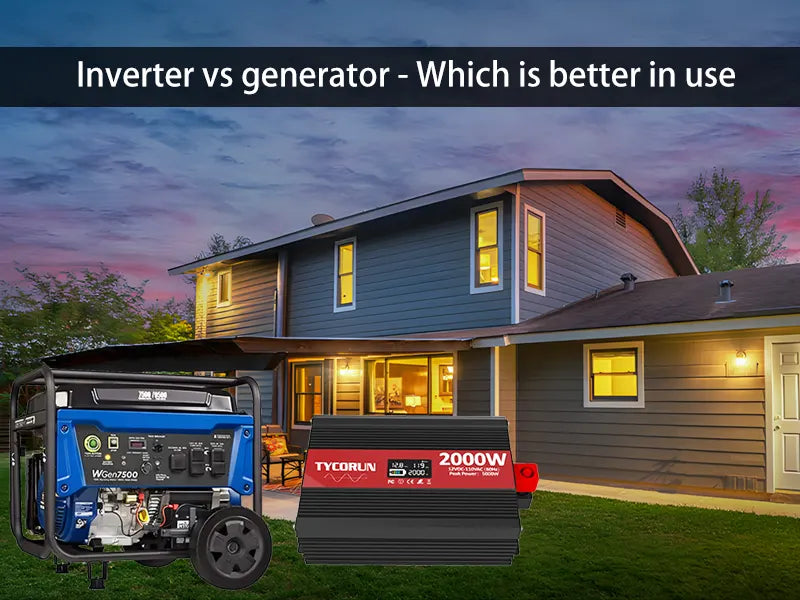
Inverters and generators are two of the most common backup power solutions used by homeowners to keep essential appliances running during power outages. Both systems are designed to provide electricity when the grid fails, but they operate differently and are suited to different household energy requirements. Inverters, particularly modern portable power stations with built-in pure sine wave inverters and lithium batteries, store electrical energy and supply clean, stable, and quiet power for household electronics and appliances. Conventional generators, on the other hand, generate electricity by running a petrol or diesel engine, making them suitable for supplying power over extended periods but with higher operating costs, noise, and maintenance requirements.
The demand for home backup power in Kenya continues to grow due to frequent blackouts, remote work, and increased reliance on electrical appliances. Many homeowners compare inverters and generators before buying. Inverter-based systems and portable power stations are ideal for powering Wi-Fi routers, laptops, TVs, lighting, refrigerators, and other essential devices because they are quiet, emission-free, low-maintenance, and safe for indoor use. Generators are better suited for high power demands and extended outages but require fuel, regular maintenance, ventilation, and produce noise and emissions. The best choice depends on your home's power needs, budget, and outage frequency.
At Orbitlink Solutions, we provide genuine BLUETTI portable power stations, solar generators, expansion batteries, solar panels, and complete home backup energy solutions to customers throughout Kenya. Our experienced team helps homeowners compare inverter-based backup systems and conventional generators to determine the most suitable solution for their energy needs and budget. Whether you require a compact portable power station for powering essential household devices or a high-capacity solar-powered backup system for extended home energy independence, Orbitlink Solutions offers expert consultation, technical support, and authentic BLUETTI products. By choosing the right backup power solution, you can protect your home from unexpected outages while enjoying reliable, efficient, and environmentally friendly electricity every day.
1. What Is an Inverter?

An inverter is an electrical device that converts direct current (DC) electricity stored in batteries into alternating current (AC) electricity used by most household appliances and electronic devices. Since homes, offices, and businesses primarily operate on AC power, an inverter makes it possible to use stored battery energy during power outages or in locations where grid electricity is unavailable.
Inverters have become increasingly popular in Kenya due to frequent blackouts, the growing adoption of solar energy systems, and the need for reliable backup power. They provide an efficient, quiet, and environmentally friendly alternative to fuel-powered generators for running essential household appliances such as lighting, Wi-Fi routers, televisions, laptops, refrigerators, and communication equipment.
Modern inverter systems range from standalone inverters connected to external batteries to advanced portable power stations with built-in pure sine wave inverters, lithium batteries, intelligent battery management systems, and multiple charging options. These integrated systems offer greater convenience, portability, and ease of use while reducing installation complexity.
1.1 Understanding Inverters

An inverter is the component responsible for converting stored battery energy into usable household electricity.
Without an inverter, the electricity stored inside a battery cannot directly power most household appliances because batteries produce DC electricity, while homes and businesses use AC electricity.
Devices That Convert Stored DC Battery Power into Usable AC Electricity
The inverter continuously monitors battery power and converts it into stable AC electricity whenever connected appliances require power.
This allows homeowners to continue using essential electrical equipment even when the main power supply has failed.
Key Components of an Inverter System
A typical home inverter system includes:
-
Inverter unit
-
Battery or battery bank
-
Battery charger
-
Electrical protection devices
-
Output sockets or household wiring connections
Some modern portable power stations integrate all of these components into a single compact unit.
Benefits
Inverters provide:
-
Reliable backup electricity
-
Quiet operation
-
Stable voltage
-
Low maintenance
-
Improved energy efficiency
An inverter is the heart of any battery backup system, converting stored energy into usable household electricity.
1.2 How Inverters Work

An inverter operates by drawing stored electricity from a battery, converting it from direct current (DC) into alternating current (AC), and delivering that electricity safely to connected appliances.
When grid electricity is available, the batteries are charged using mains electricity or compatible solar panels. During a power outage, the inverter automatically begins supplying electricity from the batteries to connected loads.
Battery Storage
Batteries store electrical energy until it is required.
Depending on the system design, batteries may be charged using:
-
Household electricity
-
Solar panels
-
Hybrid energy systems
-
Backup charging sources
Benefits
Battery storage provides:
-
Immediate backup power
-
Reliable energy reserve
-
Renewable energy storage
-
Improved energy independence
Battery storage ensures electricity is always available during outages.
DC to AC Power Conversion
Once electricity is stored in the battery, the inverter converts DC electricity into AC electricity suitable for household use.
Modern pure sine wave inverters produce clean electrical output similar to utility grid power.
Benefits
Clean AC electricity safely powers:
-
Televisions
-
Laptops
-
Refrigerators
-
Desktop computers
-
Medical devices
-
Wi-Fi routers
DC-to-AC conversion allows stored battery energy to power everyday household appliances.
Supplying Electricity to Household Appliances
After conversion, electricity flows through the inverter to connected appliances.
Depending on inverter size and battery capacity, users can operate multiple devices simultaneously.
Common Equipment Powered
Inverters commonly support:
-
LED lighting
-
Wi-Fi routers
-
Smartphones
-
Televisions
-
Laptops
-
Desktop computers
-
Refrigerators (model dependent)
-
Small kitchen appliances
Inverters deliver dependable backup electricity for many essential household devices.
1.3 Types of Home Inverters

Several types of inverters are available for residential use, each offering different levels of performance, efficiency, and compatibility with household appliances.
Understanding these differences helps homeowners select the most appropriate backup power solution.
Pure Sine Wave Inverters
Pure sine wave inverters generate electricity that closely matches the waveform supplied by utility companies.
They are recommended for modern homes because they safely power both sensitive electronics and household appliances.
Advantages
Pure sine wave inverters provide:
-
Stable voltage
-
Clean electricity
-
Quiet appliance operation
-
Improved equipment protection
-
Higher efficiency
Common Applications
Ideal for powering:
-
Computers
-
Televisions
-
Refrigerators
-
Medical devices
-
Audio equipment
-
Office electronics
Pure sine wave inverters offer the highest quality electrical output for residential applications.
Modified Sine Wave Inverters
Modified sine wave inverters produce a simplified electrical waveform.
Although generally more affordable, they may not be suitable for all sensitive electronic equipment.
Suitable Applications
Often used for:
-
Basic lighting
-
Simple electrical devices
-
Small household appliances
Limitations
Some appliances may:
-
Operate less efficiently
-
Produce additional noise
-
Generate more heat
-
Experience reduced performance
Modified sine wave inverters are suitable for basic applications but provide lower-quality power than pure sine wave models.
Portable Power Stations with Built-In Inverters
Modern portable power stations integrate batteries, pure sine wave inverters, battery management systems, and charging systems into one portable unit.
Examples include BLUETTI portable power stations.
Advantages
Integrated systems offer:
-
Plug-and-play operation
-
No external battery wiring
-
Solar charging compatibility
-
Compact portability
-
Multiple output ports
Common Applications
Ideal for:
-
Home backup
-
Apartments
-
Camping
-
Remote work
-
Emergency preparedness
Portable power stations combine advanced inverter technology with battery storage in one convenient solution.
1.4 Common Home Applications

Homeowners use inverter systems to maintain essential electrical services during power outages.
The appliances supported depend on the inverter's output rating and the battery capacity available.
Lighting
LED lighting consumes relatively little electricity, making it one of the most common applications for home inverter systems.
Benefits
Lighting provides:
-
Household safety
-
Improved visibility
-
Continued productivity
-
Emergency illumination
Inverters easily support household LED lighting during blackouts.
Televisions
Many inverter systems provide sufficient power to operate televisions during electricity interruptions.
Benefits
Users continue accessing:
-
News
-
Entertainment
-
Educational programming
-
Emergency information
Television backup improves comfort during outages.
Wi-Fi Routers
Internet connectivity has become essential for work, education, communication, and entertainment.
Benefits
Inverters keep routers operating for:
-
Remote work
-
Video conferencing
-
Online learning
-
Smart home devices
-
Business communication
Reliable router backup maintains internet access throughout power interruptions.
Laptops
Portable computers consume relatively little electricity, making them excellent candidates for inverter backup.
Benefits
Users remain productive by continuing:
-
Office work
-
Online meetings
-
Programming
-
Graphic design
-
Education
Inverters provide dependable laptop backup for remote workers and students.
Small Household Appliances
Depending on inverter capacity, homeowners may also power a variety of small appliances.
Common Examples
These include:
-
Electric fans
-
Phone chargers
-
Desktop computers
-
Printers
-
Small kitchen appliances
-
Audio equipment
Always verify that the inverter's continuous output rating and battery capacity are suitable for the intended appliances.
Many everyday household devices can operate efficiently on properly sized inverter systems.
Additional Benefits of Home Inverters

Modern inverter systems offer numerous advantages beyond simple backup electricity.
They Help Homeowners
-
Reduce reliance on generators
-
Enjoy quieter backup power
-
Lower maintenance requirements
-
Improve energy efficiency
-
Integrate with solar energy
-
Protect sensitive electronics
-
Maintain essential household services during outages
Home inverters provide dependable and convenient backup electricity for everyday living.
Inverters provide quiet, efficient, and reliable backup power for everyday household needs by converting stored battery energy into clean AC electricity suitable for home appliances and electronics. Whether installed as part of a traditional battery backup system or integrated into modern portable power stations such as BLUETTI models, inverters offer a practical alternative to fuel-powered generators for powering lighting, televisions, Wi-Fi routers, laptops, and other essential household devices. Their silent operation, low maintenance requirements, compatibility with solar energy systems, and ability to deliver stable power make them an increasingly popular choice for homeowners seeking dependable backup power in Kenya.
2. What Is a Generator?

A generator is a fuel-powered machine that produces electricity by converting mechanical energy into electrical energy. Unlike battery-powered inverter systems that store electricity for later use, generators create electricity on demand by using an internal combustion engine powered by petrol, diesel, or, in some cases, natural gas or LPG.
Generators have long been used as reliable backup power solutions for homes, businesses, construction sites, hospitals, and industrial facilities because they can continue producing electricity for as long as fuel is available. They are particularly valuable during prolonged power outages and in situations where high-power appliances or heavy-duty equipment must operate continuously.
Although generators provide substantial power output and long operating times, they also require regular maintenance, ongoing fuel purchases, and safe outdoor operation due to engine noise and exhaust emissions. Understanding how generators work and where they are most effective helps homeowners decide whether a generator or an inverter-based backup system is the better investment.
2.1 Understanding Generators

Generators produce electricity by burning fuel inside an engine that drives an electrical alternator.
Unlike inverter systems that rely on stored battery energy, generators actively generate electricity while the engine is running.
Fuel-Powered Machines That Generate Electricity
A generator typically consists of:
-
Internal combustion engine
-
Alternator
-
Fuel tank
-
Voltage regulation system
-
Cooling system
-
Control panel
When started, the engine rotates the alternator, producing electricity that powers connected appliances.
Key Characteristics
Most generators offer:
-
High continuous power output
-
Long runtime through refuelling
-
Multiple AC outlets
-
Portable or stationary designs
-
Manual or electric starting systems
Benefits
Generators provide:
-
Continuous electricity
-
High power capacity
-
Reliable emergency backup
-
Flexible runtime
-
Dependable performance
Generators remain one of the most effective solutions for applications requiring continuous electrical power.
2.2 How Generators Work

Generators convert fuel into electrical energy through a straightforward mechanical process.
When the engine starts, it burns petrol or diesel to create mechanical energy, which rotates the alternator and produces electricity for connected equipment.
Petrol or Diesel Engine Drives an Alternator
The operating process typically includes:
-
Fuel is supplied to the engine.
-
Combustion creates mechanical energy.
-
The engine rotates the alternator.
-
The alternator generates electricity.
-
Voltage regulation maintains stable output.
-
Electricity is supplied to connected appliances.
Benefits
This system provides:
-
Immediate electricity generation
-
Continuous power
-
Reliable performance
-
High output capacity
Generators produce electricity on demand through engine-driven mechanical power.
2.3 Types of Generators

Several generator types are available for residential and commercial use, each offering different advantages depending on the intended application.
Petrol Generators
Petrol generators are among the most common portable generators used for residential backup power.
Advantages
They offer:
-
Lower purchase cost
-
Good portability
-
Easy operation
-
Suitable home backup
Common Uses
Ideal for:
-
Homes
-
Outdoor events
-
Small businesses
-
Emergency backup
Petrol generators are a practical solution for occasional residential backup power.
Diesel Generators
Diesel generators are designed for heavier workloads and longer operating periods.
Advantages
They provide:
-
Higher efficiency
-
Longer runtime
-
Better fuel economy
-
Greater durability
Common Applications
Frequently used in:
-
Commercial buildings
-
Hospitals
-
Factories
-
Construction sites
-
Large residential properties
Diesel generators are ideal for demanding applications requiring continuous operation.
Inverter Generators
Inverter generators combine traditional engine-powered generation with electronic inverter technology.
They produce cleaner electrical output suitable for sensitive electronics while improving fuel efficiency compared to conventional generators.
Benefits
They provide:
-
Stable voltage
-
Better fuel economy
-
Reduced engine speed
-
Lower noise levels
-
Improved portability
Common Uses
Suitable for:
-
Home backup
-
Camping
-
Outdoor events
-
Recreational vehicles
-
Mobile businesses
Inverter generators offer improved electrical quality and fuel efficiency for residential and recreational applications.
2.4 Common Home Applications

Homeowners commonly install generators to maintain electricity during extended power outages.
Their high power output allows them to support appliances that smaller inverter systems may struggle to operate continuously.
Whole-House Backup
Larger generators can provide electricity to many or all essential household circuits.
Common Equipment
They often power:
-
Lighting
-
Refrigerators
-
Freezers
-
Televisions
-
Water pumps
-
Air conditioners
-
Security systems
Benefits
Whole-house backup provides:
-
Improved comfort
-
Continuous household operation
-
Reliable emergency power
Generators can provide comprehensive residential backup during extended outages.
Heavy-Duty Appliances
Generators are particularly useful for appliances with high startup or continuous power requirements.
Examples
These include:
-
Water pumps
-
Air conditioners
-
Electric motors
-
Large refrigerators
-
Workshop equipment
Benefits
Their high output allows demanding appliances to operate continuously.
Generators remain the preferred choice for heavy electrical loads.
Long-Duration Outages
When outages continue for many hours or days, generators provide reliable electricity through periodic refuelling.
Advantages
Users benefit from:
-
Continuous operation
-
Flexible runtime
-
Reliable emergency backup
-
High output capacity
Generators are well suited for prolonged blackouts where uninterrupted electricity is essential.
Additional Benefits of Generators

Generators continue to play an important role in residential and commercial backup power.
They Help Users
-
Power high-wattage appliances
-
Operate continuously
-
Support prolonged outages
-
Provide reliable emergency electricity
-
Supply power in remote locations
Generators remain valuable for applications requiring continuous high-power output.
Generators deliver high power output and reliable continuous electricity, making them well suited for whole-house backup, heavy-duty appliances, and prolonged power outages. By converting fuel into electrical energy through an engine-driven alternator, they can continue operating for extended periods as long as fuel is available. However, generators also require regular maintenance, ongoing fuel purchases, and safe outdoor operation due to engine noise and exhaust emissions, making them better suited for high-demand applications than everyday indoor backup power.
3. Inverter vs Generator: Key Differences

Inverters and generators are both popular backup power solutions for homes, businesses, and emergency preparedness, but they operate in fundamentally different ways. An inverter converts electricity already stored in batteries into usable AC power, while a generator produces electricity by burning petrol or diesel in an internal combustion engine.
Although both systems can keep essential appliances running during blackouts, they differ significantly in terms of convenience, operating costs, maintenance, environmental impact, noise levels, and overall user experience. Understanding these differences helps homeowners choose the backup power solution that best matches their energy requirements and lifestyle.
3.1 Power Source

The primary difference between an inverter and a generator is how electricity is supplied.
Inverters
Operate using:
-
Rechargeable batteries
-
Solar energy (when connected)
-
Stored electrical energy
Generators
Generate electricity using:
-
Petrol
-
Diesel
-
Internal combustion engines
Inverters rely on stored battery power, while generators create electricity by consuming fuel.
3.2 Noise Levels

Noise is an important consideration, especially in residential areas.
Inverters
Provide:
-
Silent operation
-
No engine vibration
-
Minimal operating noise
Generators
Produce:
-
Engine noise
-
Mechanical vibration
-
Exhaust sound
Even inverter generators generate more noise than battery-powered inverter systems.
Inverters provide a much quieter backup power experience.
3.3 Fuel Consumption

Fuel requirements directly affect operating costs.
Inverters
Require:
-
No petrol
-
No diesel
-
Electricity for charging
-
Optional solar charging
Generators
Require:
-
Continuous fuel purchases
-
Fuel storage
-
Regular refuelling
Inverters eliminate fuel costs during operation, while generators require ongoing fuel consumption.
3.4 Maintenance Requirements

Maintenance differs considerably between these technologies.
Inverters
Typically require:
-
Proper battery charging
-
Battery monitoring
-
Clean installation
-
Occasional inspections
Generators
Require:
-
Oil changes
-
Spark plug replacement
-
Air filter cleaning
-
Fuel system servicing
-
Engine maintenance
Inverters require significantly less maintenance than generators.
3.5 Indoor Safety

Safety is one of the biggest differences between these systems.
Inverters
Battery-powered inverter systems are generally suitable for indoor installation and use when installed and operated according to the manufacturer's instructions.
Generators
Generators produce carbon monoxide and exhaust gases and must always be operated outdoors in well-ventilated areas away from doors, windows, and enclosed spaces.
Inverters offer much greater flexibility for indoor residential backup power.
3.6 Environmental Impact

Environmental impact has become increasingly important for homeowners.
Inverters
Provide:
-
Zero exhaust emissions during operation
-
Solar charging compatibility
-
Reduced carbon footprint
-
Quiet operation
Generators
Produce:
-
Carbon emissions
-
Exhaust fumes
-
Noise pollution
-
Fuel consumption
Battery-powered inverter systems provide a cleaner and more environmentally friendly backup power solution.
Both inverters and generators provide reliable backup electricity, but they differ significantly in convenience, operating costs, maintenance requirements, safety, and environmental impact. Inverters offer quiet operation, low maintenance, zero fuel consumption during operation, solar charging compatibility, and generally safer indoor use, making them ideal for everyday residential backup. Generators, on the other hand, deliver higher continuous power output and longer runtime through refuelling, making them better suited for extended outages and heavy-duty electrical loads. The most suitable solution ultimately depends on your home's energy requirements, budget, and preferred backup power experience.
4. Performance Comparison for Home Use

When choosing between an inverter and a generator for home use, it is important to evaluate how each solution performs under real-life conditions. While both can provide electricity during power outages, their performance varies depending on the appliances being powered, the expected outage duration, operating costs, maintenance requirements, and overall convenience.
For many modern households, an inverter offers quiet, clean, and efficient backup for essential appliances, while a generator remains a strong option for homes with higher energy demands or prolonged blackouts. Comparing their performance across several key areas helps homeowners invest in the most suitable backup power solution.
4.1 Running Household Appliances
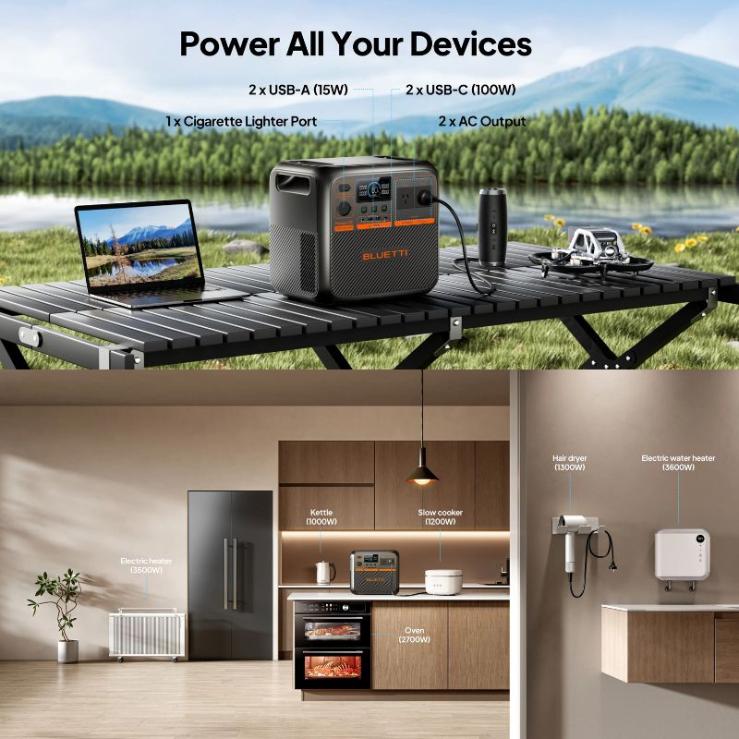
One of the first considerations when selecting a backup power system is the type of appliances you need to operate.
Inverters
Depending on battery capacity and inverter size, inverters can reliably power:
-
LED lighting
-
Wi-Fi routers
-
Smartphones
-
Laptops
-
Desktop computers
-
Televisions
-
CCTV systems
-
Small refrigerators
-
Fans
Higher-capacity inverter systems and portable power stations can also support larger household appliances.
Generators
Generators are capable of powering:
-
Large refrigerators
-
Freezers
-
Water pumps
-
Air conditioners
-
Electric motors
-
Washing machines
-
Kitchen appliances
-
Multiple household circuits simultaneously
Which Performs Better?
-
Inverters perform exceptionally well for essential household electronics and moderate electrical loads.
-
Generators are better suited for heavy-duty appliances with high startup currents and continuous power requirements.
The appliances you intend to power should determine whether an inverter or generator is the better solution.
4.2 Runtime
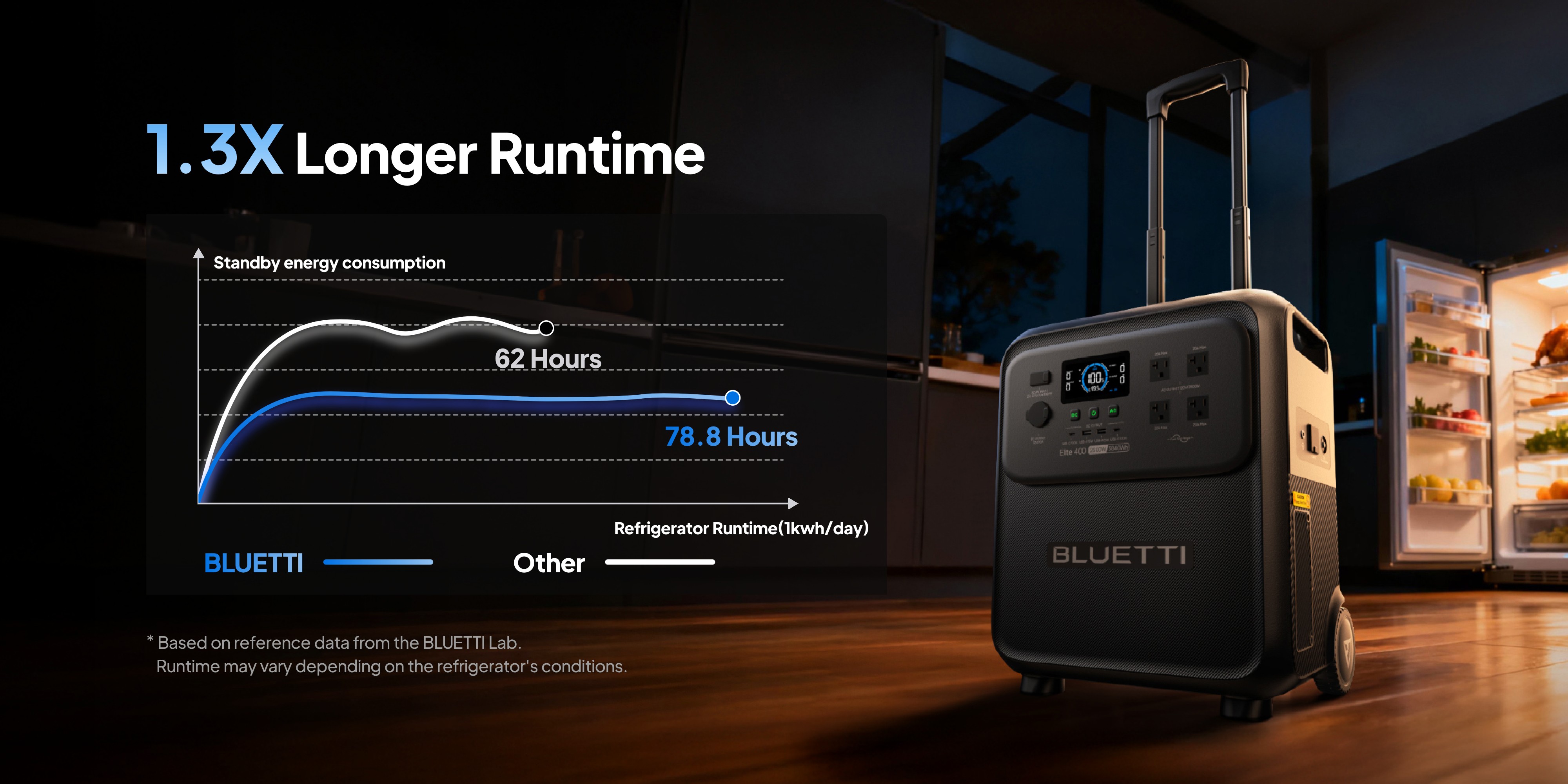
Runtime determines how long your backup power system can continue supplying electricity.
Inverters
Runtime depends on:
-
Battery capacity
-
Appliance power consumption
-
Number of connected devices
-
Battery condition
Larger battery banks provide longer backup durations.
Generators
Runtime depends on:
-
Fuel tank size
-
Fuel consumption
-
Electrical load
-
Availability of additional fuel
Generators can continue operating for extended periods through refuelling.
Which Performs Better?
-
Inverters are excellent for short- to medium-duration outages.
-
Generators are better for prolonged blackouts lasting many hours or days.
Battery capacity limits inverter runtime, while fuel availability determines generator runtime.
4.3 Cost of Ownership

The total cost of owning a backup power system includes the purchase price, operating costs, maintenance, and future replacement expenses.
Inverters
Typical ownership costs include:
-
Electricity for battery charging
-
Battery replacement after several years
-
Minimal maintenance
Solar charging can further reduce operating expenses.
Generators
Ownership costs include:
-
Petrol or diesel
-
Engine oil
-
Routine servicing
-
Air filters
-
Spark plugs
-
Mechanical repairs
Which Is More Affordable?
Although some inverter systems may cost more initially, their lower operating costs often provide better long-term value for residential users.
Inverters generally have lower ongoing ownership costs than generators.
4.4 Reliability During Power Outages

Reliability is one of the most important factors when evaluating a backup power solution.
Inverters
Provide:
-
Instant automatic backup (depending on installation)
-
Stable voltage
-
Quiet operation
-
Reliable electricity for essential appliances
Generators
Provide:
-
Continuous electricity
-
High power output
-
Extended runtime through refuelling
-
Dependable performance during prolonged outages
Which Is More Reliable?
Both systems are reliable when properly maintained, but each excels under different conditions.
-
Inverters are ideal for frequent short outages.
-
Generators are better suited to lengthy interruptions requiring continuous operation.
The most reliable solution depends on the duration and frequency of power outages in your area.
4.5 Ease of Operation

Ease of use greatly influences the everyday experience of owning a backup power system.
Inverters
Most inverter systems operate automatically.
Users simply continue using connected appliances without needing to:
-
Add fuel
-
Start an engine
-
Monitor oil levels
-
Perform frequent servicing
Generators
Generators usually require:
-
Manual starting (unless automatic)
-
Fuel monitoring
-
Engine warm-up
-
Regular servicing
-
Outdoor setup
Which Is Easier?
Inverters provide a much simpler and more convenient user experience.
For everyday residential use, inverters are considerably easier to operate.
4.6 Long-Term Value

Long-term value depends on durability, operating costs, maintenance requirements, and expected lifespan.
Inverters
Modern inverter systems—especially portable power stations using LiFePO₄ batteries—offer:
-
Thousands of battery charging cycles
-
Low maintenance
-
Quiet operation
-
Solar compatibility
-
Reduced operating costs
Generators
Generators provide:
-
High continuous power
-
Long operating periods
-
Reliable heavy-duty performance
However, long-term ownership also involves:
-
Fuel purchases
-
Mechanical servicing
-
Replacement parts
Which Offers Better Value?
For many homeowners, inverter systems deliver better long-term value due to their lower maintenance requirements and operating costs.
The best long-term investment depends on your home's energy consumption and backup power requirements.
Choosing the right backup power solution depends on your home's energy requirements, outage frequency, and intended use. Inverters provide quiet operation, lower ownership costs, minimal maintenance, automatic backup capability, and excellent performance for essential household appliances during short and medium-duration outages. Generators, on the other hand, excel in powering larger appliances and supporting continuous electricity during extended blackouts. By carefully comparing appliance compatibility, runtime, operating costs, reliability, ease of operation, and long-term value, homeowners can select the backup power system that best matches their lifestyle and budget.
5. When Should You Choose an Inverter?

Inverters have become one of the most popular backup power solutions for residential users because they provide clean, quiet, and reliable electricity without the inconvenience of fuel storage, engine noise, or regular mechanical servicing. Whether installed as a traditional battery inverter system or integrated into a modern portable power station, an inverter offers an efficient way to maintain essential household appliances during power outages.
For homeowners who experience frequent short to medium-duration blackouts, work from home, live in apartments, or want to integrate renewable solar energy into their homes, an inverter is often the most practical and cost-effective solution.
5.1 Short to Medium Power Outages

Many residential power interruptions last only a few hours.
An inverter provides immediate backup electricity without requiring engine startup or fuel.
Common Appliances Powered
During these outages, inverters commonly operate:
-
LED lighting
-
Wi-Fi routers
-
Televisions
-
Smartphones
-
Laptops
-
Desktop computers
-
Security systems
Benefits
Homeowners enjoy:
-
Continuous communication
-
Internet connectivity
-
Household comfort
-
Improved productivity
Inverters are ideal for routine residential power interruptions.
5.2 Apartments and Indoor Use

Apartment living often limits the use of fuel-powered generators because of exhaust emissions and noise.
Battery-powered inverter systems provide a practical indoor alternative.
Advantages
They offer:
-
Quiet operation
-
No exhaust emissions during use
-
Compact installation
-
Safe indoor operation when used according to manufacturer guidelines
-
Easy storage
Inverters are especially suitable for apartment residents and indoor backup applications.
5.3 Home Offices

Reliable electricity has become essential for remote work and online businesses.
Inverters help maintain uninterrupted productivity during blackouts.
Common Equipment Powered
They commonly support:
-
Laptops
-
Desktop computers
-
Wi-Fi routers
-
Fibre terminals
-
Monitors
-
Printers
Benefits
Users experience:
-
Stable internet access
-
Continuous virtual meetings
-
Reduced downtime
-
Greater productivity
Inverters are excellent investments for professionals working from home.
5.4 Quiet Residential Areas

Noise pollution is an important consideration in many residential neighbourhoods.
Unlike generators, inverters operate almost silently.
Benefits
Quiet operation improves:
-
Neighbourhood comfort
-
Night-time use
-
Family convenience
-
Indoor living conditions
Inverters provide peaceful backup power without disturbing neighbours.
5.5 Solar Energy Integration

Many inverter systems integrate seamlessly with solar panels.
This allows homeowners to store renewable electricity for later use.
Benefits
Solar integration provides:
-
Renewable energy
-
Lower electricity bills
-
Greater energy independence
-
Reduced environmental impact
-
Reliable off-grid capability
Solar-compatible inverters offer one of the most sustainable residential backup power solutions.
5.6 Eco-Friendly Backup Power
Inverters produce no exhaust emissions during operation and require no petrol or diesel while supplying electricity.
This makes them one of the cleanest backup power technologies available.
Environmental Benefits
They provide:
-
Quiet operation
-
Zero exhaust emissions during use
-
Reduced fuel dependence
-
Solar compatibility
-
Lower carbon footprint
Inverters support environmentally responsible and sustainable home energy solutions.
Inverters are ideal for homeowners seeking quiet, clean, and low-maintenance backup power for everyday residential use. They perform exceptionally well during short to medium-duration outages, integrate easily with solar energy systems, operate safely indoors when installed and used correctly, and provide reliable electricity for home offices, apartments, and essential household appliances. With minimal operating costs, silent performance, and environmentally friendly operation, inverter systems and portable power stations have become one of the most practical backup power solutions for modern homes in Kenya.
6. When Should You Choose a Generator?

Although inverter systems and portable power stations have become increasingly popular for residential backup power, generators remain the preferred solution in situations where continuous, high-output electricity is required. Because generators produce electricity as long as fuel is available, they are well suited for prolonged outages, large homes with high power consumption, and applications involving heavy electrical equipment.
Unlike battery-powered backup systems, which have a finite runtime before requiring recharging, generators can operate for extended periods through simple refuelling. This makes them valuable for households located in areas with frequent long-duration power outages or where maintaining uninterrupted electricity for multiple high-power appliances is essential.
If your priority is powering an entire home, operating heavy-duty equipment, or ensuring continuous electricity during extended blackouts, a generator may be the better option.
6.1 Extended Power Outages

Power interruptions lasting many hours or even several days require a backup solution capable of operating continuously.
Generators excel in these situations because they continue producing electricity as long as fuel is available.
Common Appliances Powered
Generators commonly support:
-
Refrigerators
-
Freezers
-
Lighting
-
Water pumps
-
Security systems
-
Communication equipment
-
Kitchen appliances
-
Home entertainment systems
Benefits
Homeowners enjoy:
-
Continuous electricity
-
Reliable household operation
-
Food preservation
-
Greater comfort during emergencies
Generators are ideal for homes experiencing prolonged power outages.
6.2 Running Heavy Electrical Loads

Some household appliances require substantial electrical power, especially during startup.
Generators are designed to handle these heavy electrical loads more comfortably than many battery-powered systems.
Common Heavy-Duty Appliances
Generators commonly operate:
-
Water pumps
-
Air conditioners
-
Large refrigerators
-
Deep freezers
-
Electric motors
-
Workshop equipment
-
Washing machines
Benefits
They provide:
-
High continuous output
-
Reliable startup performance
-
Stable operation
-
Reduced overload risk
Generators are well suited for powering appliances with high starting and running power requirements.
6.3 Large Homes

Large homes typically have higher electricity demands due to the greater number of appliances and electrical circuits.
Generators provide sufficient power to support multiple rooms and larger household loads simultaneously.
Equipment Commonly Powered
Generators may supply:
-
Multiple refrigerators
-
Lighting circuits
-
Air conditioning
-
Water pumps
-
Home offices
-
Kitchen appliances
-
Security systems
Benefits
Large households experience:
-
Improved comfort
-
Reliable electricity
-
Reduced disruption
-
Comprehensive home backup
Generators are excellent backup solutions for homes with high electrical demand.
6.4 Continuous High-Power Demand

Some homes require electricity throughout the day without interruption.
Generators can continue operating continuously through periodic refuelling.
Typical Applications
Continuous electricity is useful for:
-
Home businesses
-
Medical equipment
-
Large refrigeration systems
-
Continuous communication
-
Security systems
Benefits
Generators provide:
-
Reliable continuous operation
-
Flexible runtime
-
Stable electrical output
-
High power capacity
Generators remain the preferred solution for continuous high-power residential applications.
6.5 Areas Without Solar Charging Options

Some homes are located in areas where reliable solar charging or battery recharging is not practical.
Generators provide dependable electricity regardless of weather conditions or solar availability.
Suitable Locations
Generators are commonly used in:
-
Remote homes
-
Rural properties
-
Construction camps
-
Temporary housing
-
Off-grid residences
Benefits
Users enjoy:
-
Reliable electricity
-
Flexible runtime
-
Easy refuelling
-
Independence from charging infrastructure
Generators are valuable where battery charging options are limited.
6.6 Emergency Backup for Entire House

Some homeowners require enough electricity to keep virtually the entire house operational during emergencies.
Larger generators can power multiple circuits simultaneously, providing comprehensive residential backup.
Equipment Commonly Supported
These generators may power:
-
Lighting
-
Refrigeration
-
Water pumps
-
Air conditioning
-
Kitchen appliances
-
Home offices
-
Security systems
-
Entertainment equipment
Benefits
Whole-house backup provides:
-
Maximum convenience
-
Improved safety
-
Household comfort
-
Business continuity for home offices
Generators are well suited for homeowners seeking complete emergency backup power.
Generators are better suited for homes requiring continuous high-power output over long periods. Their ability to operate for extended durations through simple refuelling makes them ideal for prolonged power outages, heavy electrical loads, large residential properties, remote locations, and whole-house emergency backup. While inverter systems offer quieter operation and lower maintenance, generators remain the preferred solution where maximum power output and uninterrupted runtime are the highest priorities.
7. Why Choose a BLUETTI Portable Power Station Instead of a Traditional Inverter

Traditional inverter systems have served homeowners for many years by converting battery power into usable household electricity. However, modern portable power stations have taken backup power to the next level by combining an inverter, lithium battery, battery management system, charging controller, and multiple output ports into one compact, portable unit.
BLUETTI portable power stations eliminate the need to purchase separate batteries, external chargers, wiring, and additional accessories. They are designed for plug-and-play operation, making backup power simpler, safer, and more convenient for homeowners. With advanced LiFePO₄ battery technology, pure sine wave inverters, fast charging, and solar compatibility, BLUETTI systems provide an all-in-one energy solution that meets the needs of modern homes.
7.1 Built-In Pure Sine Wave Inverter

Every BLUETTI portable power station includes an integrated pure sine wave inverter that delivers clean, stable electricity similar to utility grid power.
Benefits
Pure sine wave technology safely powers:
-
Laptops
-
Desktop computers
-
Wi-Fi routers
-
Televisions
-
Refrigerators
-
Medical devices
-
Sensitive electronics
Advantages
Users enjoy:
-
Stable voltage
-
Reduced electrical interference
-
Improved equipment protection
-
Reliable appliance performance
The built-in pure sine wave inverter provides safe and dependable electricity for virtually all household electronics.
7.2 Long-Lasting LiFePO₄ Battery Technology

BLUETTI portable power stations use advanced Lithium Iron Phosphate (LiFePO₄) batteries that are designed for exceptional durability and safety.
Advantages
LiFePO₄ batteries provide:
-
Thousands of charging cycles
-
Long service life
-
Improved thermal stability
-
Consistent performance
-
Enhanced safety
Benefits
Homeowners receive:
-
Long-term reliability
-
Lower ownership costs
-
Reduced battery degradation
-
Excellent return on investment
LiFePO₄ battery technology ensures dependable backup power for many years.
7.3 Solar Charging Compatibility

Many BLUETTI models support charging from compatible solar panels.
This enables homeowners to generate renewable electricity during the day and store it for later use.
Benefits
Solar charging provides:
-
Renewable energy
-
Reduced electricity costs
-
Greater energy independence
-
Extended backup capability
-
Environmentally friendly operation
Solar charging makes BLUETTI portable power stations an excellent renewable energy solution.
7.4 Portable All-in-One Design

Unlike traditional inverter systems that require multiple separate components, BLUETTI portable power stations integrate everything into a single unit.
Integrated Components
Each system combines:
-
Lithium battery
-
Pure sine wave inverter
-
Battery Management System (BMS)
-
Charging controller
-
Multiple output ports
Benefits
Users enjoy:
-
Easy setup
-
Plug-and-play operation
-
Compact portability
-
Reduced installation costs
-
Simplified maintenance
The all-in-one design makes backup power more convenient than traditional inverter systems.
7.5 Fast Charging Technology

BLUETTI portable power stations support rapid charging from multiple energy sources.
Charging Options
Users can recharge using:
-
AC wall outlets
-
Compatible solar panels
-
Vehicle charging
-
Generator charging
Benefits
Fast charging provides:
-
Reduced downtime
-
Greater convenience
-
Flexible energy management
-
Faster readiness for emergencies
Fast charging ensures your backup power is ready whenever you need it.
7.6 Reliable Home Backup Performance

BLUETTI portable power stations are designed to provide dependable residential backup for a wide variety of household appliances.
Common Applications
They commonly power:
-
Wi-Fi routers
-
Televisions
-
Refrigerators
-
LED lighting
-
Laptops
-
Desktop computers
-
Smartphones
-
Security systems
Benefits
Homeowners receive:
-
Reliable backup electricity
-
Quiet operation
-
Low maintenance
-
Indoor-friendly operation when used according to the manufacturer's instructions
BLUETTI portable power stations deliver dependable performance for everyday home backup.
Popular BLUETTI Models for Home Use

BLUETTI AC70
Ideal for:
-
Small homes
-
Remote work
-
Wi-Fi routers
-
Lighting
-
Entertainment systems
BLUETTI AC180
Recommended for:
-
Home backup
-
Refrigerators
-
Larger appliances
-
Extended outages
BLUETTI AC200L
Suitable for:
-
Large homes
-
Multiple appliances
-
Longer backup durations
-
Higher power requirements
BLUETTI Elite Series
Designed for:
-
Premium residential backup
-
Expandable energy storage
-
Whole-home energy support
-
Advanced backup solutions
Visit Our Office
Office Address
Lyric House, 7th Floor Room S9
Kimathi Street, Nairobi CBD
Call / Text / WhatsApp
+254743720551
BLUETTI portable power stations combine a pure sine wave inverter, long-lasting LiFePO₄ battery, intelligent battery management system, and multiple charging options into one convenient all-in-one solution for reliable home backup. Unlike traditional inverter systems that require separate batteries and external components, BLUETTI units are portable, easy to use, solar-compatible, and ready to operate with minimal setup. Whether you need dependable electricity for everyday blackouts, home offices, refrigerators, or renewable energy storage, BLUETTI portable power stations provide a modern, efficient, and low-maintenance alternative that delivers outstanding long-term value for homeowners.
8. FAQs About Inverters vs Generators for Home Use
Choosing between an inverter and a generator is one of the most common decisions homeowners face when investing in backup power. Both systems can keep essential appliances running during electricity outages, but they differ significantly in terms of operating costs, maintenance, convenience, runtime, and environmental impact. Modern portable power stations such as BLUETTI models have also introduced an all-in-one alternative that combines battery storage, a pure sine wave inverter, and charging capabilities in a single portable unit.
The following frequently asked questions answer the most common concerns homeowners have when comparing inverters, generators, and portable power stations.
8.1 Which Is Better for Home Use, an Inverter or a Generator?
The best choice depends on your household's power requirements and the duration of typical power outages.
Choose an Inverter If You Need
-
Quiet operation
-
Indoor backup power
-
Low maintenance
-
Solar compatibility
-
Backup for essential household appliances
-
Frequent short to medium-duration outages
Choose a Generator If You Need
-
High continuous power output
-
Long-duration backup
-
Heavy-duty appliance support
-
Whole-house backup
-
Continuous operation through refuelling
Inverters are ideal for everyday residential backup, while generators are better suited for homes with high power demands and prolonged outages.
8.2 Can an Inverter Power an Entire House?
It depends on the inverter's capacity, battery storage, and the home's electrical load.
Small inverter systems are designed to power essential appliances, while larger inverter systems with sufficient battery capacity can support more circuits and devices.
Common Appliances Powered
Depending on system size, an inverter can power:
-
LED lighting
-
Wi-Fi routers
-
Laptops
-
Televisions
-
Refrigerators
-
Security systems
-
Fans
For powering an entire house, a properly sized high-capacity inverter system with adequate battery storage is required.
An inverter can power an entire home if it is correctly sized for the household's total energy requirements.
8.3 Are Generators Better for Long Power Outages?

Yes.
Generators are generally better suited for prolonged outages because they continue producing electricity as long as fuel is available.
Advantages
Generators provide:
-
Continuous operation
-
High power output
-
Flexible runtime through refuelling
-
Reliable emergency backup
Considerations
They also require:
-
Fuel
-
Engine maintenance
-
Outdoor operation
-
Regular servicing
Generators remain the preferred option for extended power interruptions.
8.4 Are Portable Power Stations Better Than Traditional Inverters?

For many homeowners, yes.
Portable power stations combine several components into a single compact unit, making them easier to install and use than traditional inverter systems.
Advantages
BLUETTI portable power stations include:
-
Built-in pure sine wave inverter
-
LiFePO₄ battery
-
Battery Management System (BMS)
-
Multiple output ports
-
Solar charging compatibility
-
Fast charging technology
Benefits
Users enjoy:
-
Plug-and-play operation
-
Minimal installation
-
Easy portability
-
Low maintenance
Portable power stations offer a convenient all-in-one alternative to traditional inverter systems.
8.5 Can BLUETTI Portable Power Stations Be Charged Using Solar Panels?

Yes.
Most BLUETTI portable power stations support charging from compatible solar panels.
Benefits
Solar charging provides:
-
Renewable electricity
-
Lower electricity costs
-
Greater energy independence
-
Extended off-grid capability
-
Environmentally friendly operation
Ideal Applications
Suitable for:
-
Home backup
-
Rural homes
-
Camping
-
Emergency preparedness
-
Remote work
Solar charging is one of the major advantages of BLUETTI portable power stations.
8.6 Which BLUETTI Model Is Best for Home Backup?

The ideal BLUETTI model depends on your home's energy consumption and the appliances you intend to power.
Recommended Models
BLUETTI AC70
Suitable for:
-
Small households
-
Wi-Fi routers
-
Laptops
-
Entertainment systems
BLUETTI AC180
Ideal for:
-
Refrigerators
-
Home offices
-
Larger appliances
-
Extended backup
BLUETTI AC200L
Recommended for:
-
Large homes
-
Multiple appliances
-
Higher energy demands
-
Longer runtime
BLUETTI Elite Series
Designed for:
-
Premium home energy storage
-
Expandable battery systems
-
Advanced residential backup
Selecting the right model depends on your home's power requirements and expected backup duration.
8.7 Are Portable Power Stations Safe for Indoor Use?

Yes.
Portable power stations do not produce exhaust gases during operation and are generally suitable for indoor use when operated according to the manufacturer's instructions.
Unlike generators, they do not require fuel combustion while supplying electricity.
Benefits
They offer:
-
Quiet operation
-
No exhaust emissions during use
-
Clean electricity
-
Greater indoor convenience
Portable power stations are among the safest backup power options for indoor residential use.
8.8 Do Generators Require More Maintenance Than Inverters?
Yes.
Generators contain mechanical engines that require regular servicing.
Generator Maintenance
Includes:
-
Oil changes
-
Air filter replacement
-
Spark plug replacement
-
Fuel system maintenance
-
Engine inspections
Inverter Maintenance
Typically involves:
-
Battery monitoring
-
Proper charging
-
Periodic inspections
-
Keeping equipment clean
Inverters and portable power stations require considerably less maintenance than generators.
8.9 Which Backup Solution Is More Cost-Effective Over Time?

For many homeowners, inverter systems and portable power stations provide lower long-term ownership costs.
Inverters and Portable Power Stations
Offer savings through:
-
No fuel consumption during operation
-
Lower maintenance costs
-
Solar charging compatibility
-
Long-life LiFePO₄ batteries
Generators
Require ongoing expenditure on:
-
Petrol or diesel
-
Engine servicing
-
Replacement parts
-
Oil and filters
Although the initial purchase price may be higher, portable power stations often provide better long-term value.
8.10 Can a BLUETTI Portable Power Station Run a Refrigerator?

Yes.
Many BLUETTI portable power stations are capable of running refrigerators, provided the inverter output and battery capacity are appropriate for the appliance.
Before Choosing a Model
Consider:
-
Running wattage
-
Startup surge
-
Desired runtime
-
Total battery capacity
Models such as the BLUETTI AC180 and AC200L are commonly recommended for refrigerator backup.
BLUETTI portable power stations provide reliable refrigerator backup during power outages when properly matched to the appliance.
8.11 Where Can I Buy a Genuine BLUETTI Portable Power Station in Kenya?
Purchasing from a trusted supplier ensures product authenticity, warranty protection, and dependable after-sales support.
Why Choose Orbitlink Solutions?
Customers receive:
-
Genuine BLUETTI products
-
Competitive pricing
-
Professional consultation
-
Manufacturer warranty
-
Nationwide delivery
-
Technical support
-
After-sales service
Orbitlink Solutions supplies genuine BLUETTI portable power stations backed by expert advice and reliable customer support.
8.12 Does Orbitlink Solutions Provide Technical Support and Product Recommendations?

Yes.
Orbitlink Solutions provides comprehensive assistance before and after every purchase to help customers choose, install, and maintain the most suitable backup power solution.
Services Include
Customers benefit from:
-
Product recommendations
-
Appliance compatibility assessments
-
Runtime calculations
-
Solar charging advice
-
Technical support
-
Warranty assistance
-
After-sales service
Visit Our Office
Lyric House, 7th Floor Room S9
Kimathi Street, Nairobi CBD
Call / Text / WhatsApp
+254743720551
Orbitlink Solutions helps homeowners select the ideal BLUETTI portable power station and provides ongoing technical support throughout the product's lifespan.
Choosing between an inverter and a generator depends on your home's power requirements, budget, and the frequency and duration of power outages. Inverters and modern BLUETTI portable power stations are excellent for homeowners seeking quiet, clean, low-maintenance, and solar-compatible backup power for everyday use, while generators remain the preferred choice for extended outages and heavy electrical loads that require continuous high-power output. By understanding the strengths of each solution and selecting genuine BLUETTI products from Orbitlink Solutions, homeowners can enjoy reliable backup power, professional technical guidance, and dependable after-sales support for years to come.
Inverter or Generator: Choosing the Best Home Backup Power Solution
Both inverters and generators are effective home backup power solutions, but the best choice depends on your household's energy requirements, budget, and preferred operating environment. Inverters and portable power stations are ideal for powering essential appliances such as lighting, Wi-Fi routers, televisions, laptops, refrigerators, and communication devices during power outages. Generators are better suited for homes with higher power demands or situations where continuous operation is required for extended periods. Understanding your home's energy consumption and backup needs will help you select the most appropriate solution.
Inverters and BLUETTI portable power stations offer several advantages, including silent operation, solar charging compatibility, low maintenance requirements, safe indoor use, and environmentally friendly performance with zero emissions. These features make them an excellent choice for residential backup power and everyday convenience. Generators, while capable of delivering longer runtime for heavy-duty applications when fuel is available, require regular maintenance, produce exhaust emissions, and generate more noise. For many homeowners seeking a clean, quiet, and efficient backup solution, portable power stations provide an attractive alternative.
BLUETTI portable power stations combine advanced LiFePO4 battery technology, built-in pure sine wave inverters, extended battery lifespan, and dependable backup performance to deliver reliable power whenever it is needed. Whether you need backup power for your home, renewable energy storage, or a portable solution for outdoor use, BLUETTI offers innovative products designed for long-term reliability and efficiency. At Orbitlink Solutions, we proudly supply genuine BLUETTI portable power stations and energy solutions throughout Kenya. Visit us at Lyric House, 7th Floor Room S9, Kimathi Street, Nairobi CBD, call, text, or WhatsApp +254743720551, or email info@orbitlinksolutions.co.ke and orbitlinksolutions@gmail.com for quotations, product recommendations, technical support, and purchases. Explore our complete range of BLUETTI backup power solutions by visiting Orbitlink Solutions.