MikroTik 4011 vs 5009
MikroTik 4011 vs 5009 compared — specs, ports, performance, and Kenya pricing — to help you pick the right router for your office or ISP setup.

MikroTik Router Prices in Kenya
MikroTik 4011 vs 5009: Which Router Should You Choose in Kenya?

The MikroTik 4011 vs 5009 decision comes up constantly among Kenyan IT technicians, small ISPs, and businesses shopping for a step up from entry-level routers. Both the RB4011iGS+RM and the RB5009UG+S+IN sit in a similar price bracket and share a quad-core 1.4GHz CPU on paper, but they are built on different hardware generations with real differences in port layout, throughput, and efficiency. This guide compares the two in detail so you can decide which one fits your network.
Quick Overview
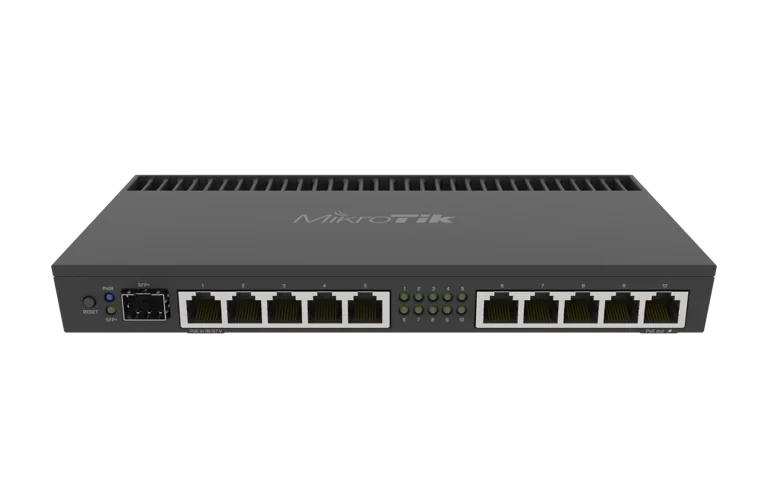
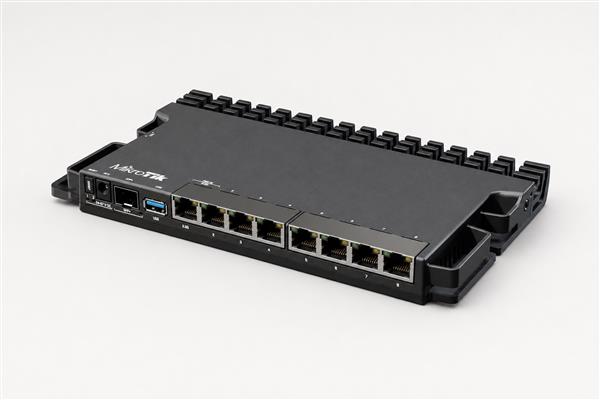
The RB4011iGS+RM has been a long-standing favorite for growing offices and small ISPs, offering ten Gigabit Ethernet ports plus a 10G SFP+ port in a rack-mountable case. The RB5009UG+S+IN is MikroTik's newer platform, trading a couple of Gigabit ports for a 2.5G Ethernet port and built on a more modern 64-bit ARM architecture with faster memory, which shows up in real-world throughput despite the similar clock speed on the spec sheet.
MikroTik 4011 vs 5009: Full Spec Comparison
| Spec | RB4011iGS+RM | RB5009UG+S+IN |
|---|---|---|
| CPU | Annapurna Labs Alpine, quad-core Cortex-A15, 1.4GHz (32-bit) | Marvell Armada, quad-core ARMv8, 1.4GHz (64-bit) |
| RAM | 1GB DDR3 | 1GB DDR4 |
| Storage | 1GB NAND | 1GB NAND |
| Gigabit Ethernet ports | 10x 1G | 7x 1G |
| 2.5G Ethernet port | None | 1x 2.5G |
| SFP+ port | 1x 10G | 1x 10G |
| USB | 1x USB 3.0 | 1x USB 3.0 |
| PoE-in | No | Yes (port 1) |
| RouterOS licence | Level 5 | Level 5 |
| Operating system | RouterOS v6/v7 | RouterOS v7 |
| Form factor | Rackmount (with ears) | Compact desktop (4 units fit in 1U rack space) |
Key Differences That Actually Matter
Port Count vs. Port Speed
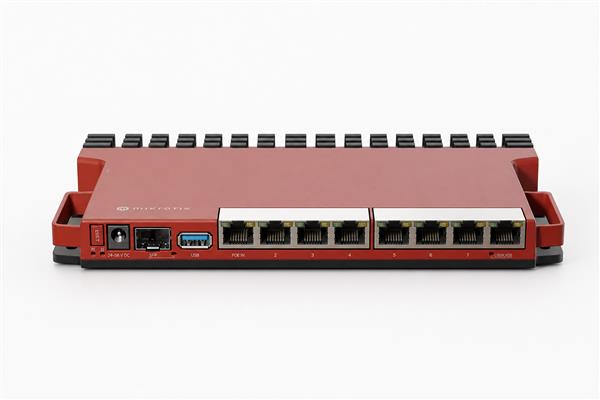
The RB4011 wins on raw Gigabit port count with ten full 1G ports, which suits networks needing to wire up many individual devices — switches, access points, servers — directly at Gigabit speed. The RB5009 trades two of those Gigabit ports for a single 2.5G port, which matters if you have a fibre connection or an internal link running faster than 1Gbps, since that 2.5G port along with the SFP+ port gives you more flexibility on the WAN or uplink side.
CPU Architecture and Real-World Throughput
Both routers advertise a quad-core 1.4GHz CPU, which can make them look identical on a spec sheet. In practice, the RB5009's 64-bit ARMv8 architecture, DDR4 memory, and improved switch chip design generally deliver noticeably better routing and firewall throughput than the RB4011's older 32-bit Cortex-A15 platform, based on benchmarks widely discussed in the MikroTik community. If your network runs heavy firewall rule sets, NAT, or VPN traffic, the RB5009 tends to handle the load with more headroom despite the matching clock speed.
Power Efficiency
The RB5009 is built around a more power-efficient platform, drawing meaningfully less power under typical load than the RB4011, and it also supports PoE-in on its first port, so it can be powered over Ethernet from a compatible switch or injector — a convenience the RB4011 does not offer.
Form Factor
The RB4011 comes in a standard rack-mount case with mounting ears, ready to slot into a server rack alongside other equipment. The RB5009 uses a more compact desktop-style case, though MikroTik sells an accessory tray that lets you fit four RB5009 units into a single 1U rack space if you need rack mounting.
MikroTik 4011 vs 5009: Pricing in Kenya
Pricing between the two models overlaps significantly in the Kenyan market. The RB4011iGS+RM typically sells for around KSh 37,000 – 42,000, while the RB5009UG+S+IN generally runs KSh 36,000 – 45,000, depending on the retailer and current stock. Because the price bands overlap so closely, the decision usually comes down to which port layout and performance profile better matches your network rather than budget alone. You can compare current listings and prices for both models under MikroTik router prices in Kenya.
Which One Should You Choose?
Choose the RB4011iGS+RM if you need the maximum number of dedicated Gigabit ports for wiring up many devices directly, you're comfortable with slightly lower routing throughput, and you want a traditional rack-mount chassis. Choose the RB5009UG+S+IN if your priority is stronger firewall and routing performance, you want a 2.5G port for a faster WAN or internal uplink, you'd benefit from PoE-in power flexibility, or you're building a new deployment and prefer MikroTik's newer hardware platform going forward. For most small-to-mid-size offices and ISPs in Kenya upgrading from an entry-level router, the RB5009 is generally the better long-term pick thanks to its performance headroom, while the RB4011 remains a strong choice specifically where port count is the priority.
If your setup also needs reliable Wi-Fi coverage alongside either router, pair it with a dedicated access point — current options are listed under MikroTik access point prices in Kenya.
Where to Buy the RB4011 or RB5009 in Kenya
Both routers are available through established local suppliers with warranty support. MikroTik Kenya carries a broad marketplace selection spanning both models and related networking gear, and Orbitlink Solutions is a useful reference for comparing current pricing side by side before you buy. If you're deploying either router on a new fibre line, confirming your connection type with your provider — for example Fiber Optics Kenya — before configuration will make setup faster.
Frequently Asked Questions
Is the RB5009 faster than the RB4011 despite having the same clock speed? Yes, in most real-world routing and firewall benchmarks the RB5009's newer 64-bit architecture and DDR4 memory give it an edge over the RB4011, even though both list a 1.4GHz quad-core CPU.
Which router has more Ethernet ports? The RB4011iGS+RM has more total Gigabit ports (10 vs. 7), but the RB5009UG+S+IN adds a 2.5G port that the RB4011 lacks.
Does either router support PoE? The RB5009UG+S+IN can be powered via PoE-in on its first port. The RB4011iGS+RM does not support PoE-in.
Which is better for a small ISP in Kenya? Both can serve a small ISP well, but the RB5009's stronger routing throughput makes it the better choice if you're running heavier firewall, NAT, or VPN workloads, while the RB4011 may suit setups that primarily need many dedicated Gigabit ports.
Can I rack-mount the RB5009 like the RB4011? The RB5009 ships in a compact desktop case rather than a traditional rack-mount chassis, but MikroTik offers an accessory tray that fits four RB5009 units into a single 1U rack space.
Final Thoughts
In the MikroTik 4011 vs 5009 comparison, neither router is a strict upgrade over the other — they trade port count for throughput and modern efficiency. The RB4011 remains a solid, well-proven choice where raw Gigabit port count matters most, while the RB5009's newer architecture, 2.5G port, and PoE-in support make it the stronger pick for most new deployments needing performance headroom. With Kenyan pricing sitting close for both, basing your decision on your network's actual port and throughput needs will serve you better than price alone.