Starlink Direct to Cell
Enjoy high-speed calls, texts, and data with Starlink Direct to Cell in Kenya. No new SIM cards or phones needed—just seamless mobile coverage...
Products Available


Table of Contents
Starlink Direct to Cell: The Future of Mobile Connectivity in Kenya
Kenya's demand for reliable mobile connectivity has never been higher, with rural areas, travelers, and businesses requiring seamless communication. Traditional mobile networks often struggle with coverage gaps, leaving many regions underserved. As digital transformation accelerates, a solution that extends connectivity beyond conventional infrastructure is crucial.
Starlink Direct to Cell is set to revolutionize mobile networks by enabling direct satellite communication with standard smartphones. Unlike traditional towers, this technology provides uninterrupted coverage even in remote locations. It eliminates the need for additional hardware, ensuring accessibility for individuals, businesses, and emergency responders alike.
This guide explores how Starlink Direct to Cell works, its benefits, and what to expect in Kenya. Additionally, we highlight Orbitlink Solutions, your trusted partner in accessing and optimizing Starlink services. Whether you're looking for reliable connectivity or future-proofing your business, this guide will help you stay informed and prepared.
1. What is Starlink Direct to Cell?
Starlink Direct to Cell is an innovative satellite-based mobile service developed by SpaceX that allows standard smartphones to connect directly to satellites for seamless cellular coverage. Unlike traditional mobile networks that rely on ground-based towers, this technology uses low Earth orbit (LEO) satellites to provide global connectivity, ensuring uninterrupted service even in remote or underserved regions.
With this breakthrough, users can send texts, make calls, and eventually access high-speed mobile data without the need for additional hardware, SIM cards, or modifications to their existing smartphones. This advancement is set to reshape mobile communications, especially in countries like Kenya, where network coverage can be inconsistent in rural and off-grid areas.
1.1 Understanding Starlink’s Direct to Cell Technology

Satellite-Based Mobile Connectivity
Starlink Direct to Cell enables mobile communication by utilizing LEO satellites to act as cell towers in space. These satellites communicate directly with standard mobile devices, eliminating the need for extensive terrestrial infrastructure like base stations or fiber-optic connections.
This approach ensures uninterrupted mobile coverage even in areas where traditional network expansion is economically unfeasible or geographically challenging. It is particularly beneficial in remote locations, deserts, forests, and offshore areas where cell towers cannot be installed.
Works with Existing Smartphones – No Extra Hardware Needed
One of the most revolutionary aspects of Starlink Direct to Cell is its compatibility with regular mobile phones. Unlike other satellite phones that require specialized devices, this service allows users to connect using their existing 4G/5G-enabled smartphones.
Since the technology is integrated into standard cellular protocols, users do not need to purchase additional equipment, change SIM cards, or install new software. This ensures a smooth transition for individuals and businesses looking to leverage satellite connectivity.
1.2 How Starlink Direct to Cell Works
Satellite-Enabled Cellular Service for Seamless Global Coverage
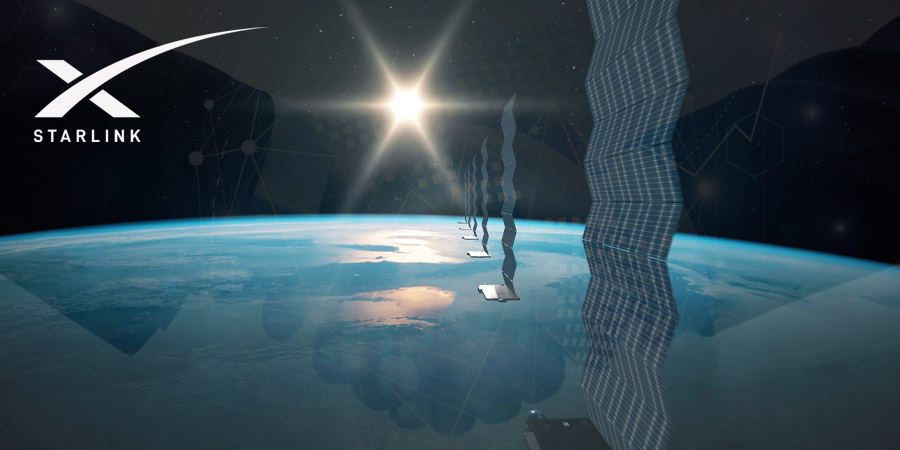
The Starlink satellite constellation operates in low Earth orbit (LEO), approximately 550 km above the Earth’s surface. These satellites function as space-based cell towers, directly linking with mobile devices without requiring ground relay stations.
As a result, Starlink Direct to Cell offers continuous coverage worldwide, including areas where traditional network providers fail due to terrain obstacles, infrastructure limitations, or natural disasters.
Direct Communication Between Mobile Devices and SpaceX Satellites
Unlike conventional mobile networks, where signals must travel between cell towers, fiber-optic cables, and switching stations, Starlink’s Direct to Cell technology allows direct satellite-to-phone communication.
This is achieved through adaptive beamforming technology, which ensures that signals are transmitted efficiently between moving satellites and ground-based devices. This method minimizes latency and enhances network reliability, making it a game-changer for mobile communication.
1.3 Who Benefits from Starlink Direct to Cell in Kenya?
1. Rural and Remote Communities with Poor Mobile Coverage
Many regions in Kenya, particularly in northern and coastal areas, remote villages, and national parks, suffer from unreliable or non-existent mobile service. Expanding traditional network infrastructure in these locations is often costly and technically challenging.
With Starlink Direct to Cell, individuals in these areas will gain consistent mobile connectivity without the need for physical towers, significantly improving access to education, healthcare, and digital services.
2. Travelers and Businesses Requiring Uninterrupted Connectivity
For frequent travelers, long-distance truck drivers, tour operators, and remote workers, reliable mobile service is essential. Starlink Direct to Cell ensures they remain connected even in areas where conventional networks drop out.
Businesses operating in rural tourism, logistics, agriculture, and energy sectors can also leverage this technology to improve real-time communication, streamline operations, and enhance customer service.
3. Emergency Responders and Disaster Relief Organizations
During natural disasters such as floods, earthquakes, or severe storms, mobile networks are often among the first infrastructures to fail. This disrupts critical communication for rescue teams and affected communities.
Starlink Direct to Cell offers a lifeline for emergency responders, ensuring they can coordinate rescue operations, share real-time data, and provide humanitarian aid even when ground networks are down. Government agencies, NGOs, and security forces can use this technology to improve disaster preparedness and response efforts.
2. Key Features of Starlink Direct to Cell
Starlink Direct to Cell offers a revolutionary approach to mobile connectivity, ensuring seamless, high-speed communication across Kenya and beyond. This cutting-edge satellite-based service eliminates the limitations of traditional mobile networks, making reliable connectivity accessible anywhere.
2.1 Seamless Global Coverage
Connectivity in Areas with No Traditional Cell Towers
Unlike conventional mobile networks that rely on ground-based towers, Starlink Direct to Cell leverages SpaceX's low Earth orbit (LEO) satellites to provide uninterrupted mobile service. This ensures connectivity in remote areas, including:
- Rural villages with little to no network infrastructure
- Isolated locations such as game reserves, mountains, and deserts
- Offshore regions where maritime industries operate
By bypassing the need for physical towers, mobile dead zones are eliminated, ensuring people in Kenya and worldwide stay connected regardless of their location.
Expanding Network Through SpaceX’s Satellite Constellation
SpaceX continuously expands its Starlink constellation by launching thousands of satellites into orbit. This growing network improves coverage, reduces latency, and enhances signal reliability, making it a scalable solution for mobile connectivity challenges.
As more satellites are deployed, users in Kenya will experience stronger signals, fewer interruptions, and improved network capacity, even in regions where traditional mobile networks struggle to expand.
2.2 High-Speed Data, Voice & Text Services
Supports Calls, Messaging, and Mobile Data
Starlink Direct to Cell is designed to provide a full range of mobile services, including:
Voice calls – Clear and reliable calling, even in remote locations
Text messaging – Send and receive SMS without relying on local carriers
Mobile data – High-speed internet access for browsing, streaming, and online applications
This technology ensures that users stay connected regardless of their location, offering an alternative to unreliable terrestrial networks.
Future Support for IoT and Broadband Applications
Beyond standard mobile services, Starlink Direct to Cell will soon support Internet of Things (IoT) applications, making it ideal for:
- Smart agriculture – Enabling remote monitoring of irrigation, weather, and soil conditions
- Logistics & fleet tracking – Enhancing real-time vehicle tracking and operations
- Disaster response – Supporting emergency teams with real-time data transmission
Additionally, SpaceX plans to expand broadband capabilities, allowing users to enjoy faster downloads, smoother video calls, and high-performance connectivity in the coming years.
2.3 Compatible with Existing Mobile Devices
No Special SIM Cards or New Phones Required
Unlike other satellite communication services that require specialized satellite phones or SIM cards, Starlink Direct to Cell works with any standard 4G/5G mobile device. This means:
No extra equipment – No need to buy a new phone or install additional hardware
Instant compatibility – Works seamlessly with current mobile devices
Easy adoption – Users can connect to Starlink's network just as they would with traditional mobile carriers
Works with Standard 4G/5G-Enabled Devices
Because Starlink Direct to Cell integrates with existing network infrastructure, users don’t have to switch devices or change mobile plans. Whether using an iPhone, Android smartphone, or 5G-enabled tablet, connectivity remains seamless and automatic.
This user-friendly design makes Starlink Direct to Cell a cost-effective and accessible solution for individuals and businesses seeking uninterrupted mobile service anywhere in Kenya.
3. Availability & Rollout in Kenya
Starlink Direct to Cell is set to transform Kenya’s mobile connectivity by providing seamless, high-speed mobile services via satellite. As SpaceX expands its Starlink services, Kenya is expected to benefit from early access, partnerships with local telecom providers, and long-term infrastructure developments to enhance mobile communication across the country.
3.1 Current Status of Starlink Direct to Cell in Kenya
Expected Launch Timeline for Kenya
While Starlink Internet is already operational in Kenya, Starlink Direct to Cell is expected to launch by late 2024 or early 2025. SpaceX has outlined a phased global rollout strategy, and Kenya is likely to be included due to its increasing demand for reliable mobile connectivity in rural and remote areas.
The initial rollout will focus on text messaging services, with voice and mobile data expected to follow in 2025. As more satellites equipped with Direct to Cell capabilities are launched, the service will expand to offer full-fledged mobile coverage nationwide.
Pilot Programs and Early Access Availability
SpaceX is expected to conduct pilot programs in select regions before a nationwide rollout. Early access programs may be available for:
- Government agencies to support emergency response and disaster management
- Businesses and enterprises requiring reliable off-grid connectivity
- Telecom operators looking to integrate Starlink with existing networks
These pilot programs will test real-world performance, optimize coverage, and ensure smooth integration before the service becomes widely available.
3.2 How It Will Integrate with Local Mobile Networks
Partnerships with Kenyan Telecom Providers
For Starlink Direct to Cell to function optimally in Kenya, collaboration with local mobile operators is essential. While SpaceX has its own satellite infrastructure, partnerships with telecom providers can improve connectivity and service accessibility. Potential collaborations may include:
Network sharing agreements – Allowing Starlink to complement existing mobile infrastructure
Roaming partnerships – Enabling seamless switching between Starlink satellites and local telecom networks
Regulatory approvals – Working with Kenya’s Communications Authority (CA) to ensure compliance
Potential partners could include leading Kenyan telecom operators, allowing users to switch between terrestrial and satellite networks without disruptions.
Potential for Hybrid Starlink and Terrestrial Network Coverage
Starlink Direct to Cell is designed to work alongside existing cellular networks, ensuring users stay connected regardless of location. A hybrid model would allow:
- Urban areas to rely on traditional 4G/5G networks while using Starlink as a backup
- Rural and underserved regions to receive full Starlink coverage where terrestrial networks are weak or absent
- Travelers and businesses to benefit from dual-network connectivity for uninterrupted service
This hybrid approach ensures that Starlink Direct to Cell enhances rather than replaces Kenya’s existing telecom landscape.
3.3 Future Expansion Plans
Roadmap for Full Service Deployment
SpaceX’s roadmap for Starlink Direct to Cell in Kenya includes:
2024-2025: Introduction of text messaging services as part of the initial rollout
2025-2026: Expansion to include voice calls and mobile data services
2026 onwards: Full-scale deployment with enhanced coverage, faster speeds, and business-focused applications
As Starlink’s satellite constellation grows, service quality, reliability, and coverage will continue to improve, ensuring a future-proof mobile connectivity solution.
Expected Improvements in Coverage and Performance
With ongoing technological advancements, Starlink Direct to Cell is expected to offer:
Lower latency – Improved satellite communication speed for seamless browsing and calls
Higher data speeds – Enabling video streaming, remote work, and online education
Increased capacity – Handling more users without network congestion
Greater coverage – Expanding to reach more remote regions of Kenya
As SpaceX continues launching new Direct to Cell-compatible satellites, Kenya’s access to reliable, satellite-based mobile connectivity will only get stronger.
4. Starlink Direct to Cell vs. Traditional Mobile Networks
Starlink Direct to Cell introduces a revolutionary approach to mobile connectivity by leveraging satellite-based technology instead of relying solely on ground-based cellular towers. This innovation promises better coverage, improved reliability, and competitive performance, particularly in rural and underserved areas where traditional networks struggle. Below is a detailed comparison of how Starlink Direct to Cell stacks up against conventional mobile networks.
4.1 Comparison of Coverage & Reliability
Overcoming Network Dead Zones with Satellite Connectivity
Traditional mobile networks depend on land-based cell towers, creating coverage gaps in remote, mountainous, and sparsely populated areas. This has been a persistent issue in Kenya, where many regions suffer from weak or non-existent mobile signals.
Starlink Direct to Cell eliminates these dead zones by connecting directly to satellites in Earth’s orbit. This ensures:
Seamless coverage across Kenya, even in the most isolated regions
Reliable connectivity without dependency on terrestrial infrastructure
Consistent signal strength, regardless of physical obstructions like mountains or forests
How Starlink Improves Rural and Remote Communication
For many rural communities in Kenya, traditional telecom companies have struggled to justify the cost of deploying cellular infrastructure due to low population density and high setup expenses. Starlink Direct to Cell addresses this issue by:
- Providing instant mobile access to users in areas where network expansion has been slow or nonexistent
- Enhancing emergency communication, ensuring disaster-prone or isolated areas stay connected
- Empowering businesses, farmers, and schools by delivering mobile services without additional infrastructure
This technology ensures that anyone with a standard smartphone can access reliable mobile services, regardless of location.
4.2 Speed & Latency Differences
Performance Expectations for Starlink Direct to Cell
Starlink Direct to Cell is designed to offer text messaging at launch, followed by voice and data services in subsequent phases. However, its speed and latency may differ from traditional 4G and 5G networks.
Expected speeds:
- Initial speeds may be lower than standard 4G/5G but will improve as more satellites are launched
- Future upgrades will enable higher-speed data connections suitable for video calls, streaming, and browsing
Latency (response time):
- Traditional mobile networks offer latency between 20-50 ms for 4G and 1-10 ms for 5G
- Starlink’s latency is expected to be above 50 ms initially but could decrease with system improvements
How It Compares to 4G and 5G Networks
| Feature | Starlink Direct to Cell | 4G Networks | 5G Networks |
|---|---|---|---|
| Coverage | Global (including remote areas) | Limited to urban & semi-urban areas | Mostly urban |
| Speed | Moderate at launch, increasing over time | 10-100 Mbps | 100 Mbps - 1 Gbps |
| Latency | 50-100+ ms (expected) | 20-50 ms | 1-10 ms |
| Infrastructure Required | No additional hardware | Requires cell towers | Requires extensive tower network |
| Reliability | High in remote areas | Weak in rural zones | Strong in urban zones |
While 4G and 5G offer faster speeds, they are restricted by infrastructure limitations. Starlink Direct to Cell, on the other hand, ensures universal accessibility, making it a game-changer for Kenya’s connectivity needs.
4.3 Affordability & Accessibility
Cost Comparison with Traditional Cellular Plans
One major concern for Kenyan consumers is pricing. Traditional mobile networks offer various data and voice plans, but costs can be high in areas with weak signal coverage, requiring additional boosters or special network devices.
Traditional mobile plans in Kenya:
- Prepaid plans range from KES 500–5,000 per month depending on data and call limits
- Additional charges apply for international roaming and off-network calls
- Rural users may need expensive signal boosters to enhance connectivity
Expected pricing for Starlink Direct to Cell:
- SpaceX has not yet announced exact pricing, but costs may align with traditional mobile plans
- No need for extra hardware, which can lower long-term expenses
- Potential for flat-rate global connectivity, reducing roaming charges
Potential for Reduced Mobile Service Costs in Kenya
Starlink Direct to Cell has the potential to lower the overall cost of mobile connectivity in Kenya by:
Eliminating infrastructure costs for network expansion, making services more accessible
Providing a competitive alternative to existing telecom services, leading to price reductions
Offering a standardized global rate, reducing high international roaming fees
If Starlink can match or undercut traditional mobile pricing, it could become a preferred option for users needing reliable, long-range mobile connectivity.
5. How to Access Starlink Direct to Cell in Kenya
As Starlink Direct to Cell prepares for rollout in Kenya, understanding the registration process, device compatibility, and support options is essential. Whether you're an individual, a business, or an organization seeking uninterrupted mobile connectivity, here’s a detailed guide on how to access Starlink’s satellite-powered mobile network.
5.1 Registration & Subscription Process
How Individuals and Businesses Can Sign Up
To use Starlink Direct to Cell in Kenya, users will need to register for service through the official Starlink platform or authorized providers like Orbitlink Solutions. The process is expected to be as follows:
1️⃣ Check Availability – Visit the Starlink website or consult Orbitlink Solutions to confirm service coverage in your area.
2️⃣ Select a Subscription Plan – Choose a plan that suits your needs, whether for personal use, business, or enterprise applications.
3️⃣ Sign Up & Make Payment – Complete the registration and set up a payment method. No additional hardware purchase is required since the service works with existing mobile phones.
4️⃣ Activate the Service – Once your subscription is confirmed, your mobile device will connect directly to Starlink satellites when within coverage.
Orbitlink Solutions will provide updates on launch dates, early access programs, and pilot trials to help interested users get connected as soon as possible.
Expected Pricing Models for Kenyan Users
While official pricing has yet to be confirmed, Starlink Direct to Cell’s cost structure in Kenya may follow:
- Basic Plan (Text Messaging Only) – Likely included as a free or low-cost service with partner mobile networks.
- Voice & Data Plans – Expected to have tiered pricing based on usage, similar to traditional mobile plans.
- Enterprise & Business Packages – Customized plans for organizations, remote businesses, and disaster response teams.
Orbitlink Solutions will offer local pricing details and assistance with subscription options as soon as Starlink finalizes rates for Kenya.
5.2 Device Compatibility & Setup
Ensuring Your Phone is Ready for Starlink’s Network
One of the biggest advantages of Starlink Direct to Cell is that it works with your existing mobile phone—no need for new devices, SIM cards, or special hardware. To ensure your device is compatible:
Check Your Phone’s Network Settings – Starlink Direct to Cell operates over standard 4G/5G bands, ensuring most modern smartphones will be supported.
Enable Roaming (If Required) – Depending on local network partnerships, some users may need to enable roaming to access satellite service.
Stay Updated on Network Integration – As Starlink rolls out in Kenya, Orbitlink Solutions will provide updates on how local telecoms integrate with the satellite network.
No Need for Additional Hardware or Modifications
Unlike traditional satellite phones that require bulky antennas or specialized devices, Starlink Direct to Cell allows you to:
Use your current smartphone without any hardware upgrades
Avoid installation fees associated with satellite communications
Seamlessly switch between Starlink and local mobile networks
This means instant connectivity, even in remote areas, without the extra cost of a new device.
5.3 Support & Customer Service
How Orbitlink Solutions Assists Customers with Starlink Services
As an official Starlink partner in Kenya, Orbitlink Solutions provides:
Subscription Assistance – Helping individuals and businesses register and choose the right plan.
Technical Support – Troubleshooting connectivity issues and ensuring smooth network access.
Corporate & Government Integration – Advising companies, NGOs, and emergency responders on adopting Starlink for uninterrupted mobile communication.
Troubleshooting and Optimizing Connectivity
If you experience connectivity issues, Orbitlink Solutions will provide:
Step-by-step troubleshooting to resolve signal problems
Guidance on optimizing your phone settings for better performance
Regular updates on service improvements and expansion
Orbitlink Solutions will ensure that Kenyan users receive top-tier support, making Starlink Direct to Cell a reliable and seamless mobile connectivity solution.
6. The Impact of Starlink Direct to Cell on Kenya’s Digital Future
As Kenya moves toward a more connected future, Starlink Direct to Cell is set to transform internet access, emergency response, and business innovation. By eliminating connectivity barriers, this technology will empower rural communities, enhance disaster communication, and support enterprise growth, solidifying Kenya’s position in the global digital economy.
6.1 Closing the Digital Divide in Rural Areas
For years, rural and remote areas in Kenya have struggled with poor mobile network coverage, limiting access to essential services. Starlink Direct to Cell will help bridge this digital gap by:
Providing Internet Access for Education, Healthcare, and Commerce
- Schools in underserved areas can use online learning platforms, connecting students to global resources.
- Remote health facilities can communicate with specialists, improving telemedicine services.
- Small businesses and farmers can engage in e-commerce, mobile banking, and digital trade, opening new economic opportunities.
Supporting Economic Growth in Underserved Communities
By enabling reliable mobile connectivity, Starlink Direct to Cell can:
- Boost rural entrepreneurship by allowing businesses to access digital markets.
- Create job opportunities in sectors such as fintech, logistics, and online services.
- Attract investment into areas previously considered nonviable due to poor connectivity.
With Orbitlink Solutions as a trusted Starlink partner, Kenyan communities will gain easier access to this life-changing technology.
6.2 Emergency Communication & Disaster Response
During natural disasters, power outages, or network failures, traditional mobile networks often collapse. Starlink Direct to Cell ensures uninterrupted communication, helping Kenya strengthen its disaster preparedness and response systems.
How Starlink Direct to Cell Ensures Connectivity in Crises
- Works independently of damaged cell towers, keeping affected areas connected.
- Provides real-time information sharing for disaster response teams.
- Enables direct communication with emergency services, improving public safety.
Improving Response Times and Coordination Efforts
- Humanitarian organizations can deploy relief faster with satellite-enabled coordination.
- Government agencies can receive live updates from affected areas, enhancing disaster mitigation.
- Citizens in distress can contact emergency services without relying on unstable networks.
By integrating Starlink’s satellite connectivity into Kenya’s emergency response strategy, lives can be saved and recovery efforts accelerated.
6.3 Business & IoT Applications
As Kenya’s digital economy expands, businesses need reliable, uninterrupted connectivity to remain competitive. Starlink Direct to Cell will enhance enterprise operations and unlock new opportunities in the Internet of Things (IoT) sector.
How Enterprises Can Leverage Satellite Connectivity
- Logistics & Transport – Real-time fleet tracking and communication for vehicles in remote locations.
- Agriculture & Smart Farming – IoT sensors can provide real-time data on weather, soil health, and crop conditions.
- Banking & Mobile Money – Secure, always-on connectivity for mobile banking and digital transactions.
The Role of Starlink in Kenya’s Growing Tech Ecosystem
- Enables startups and innovation hubs to operate in previously unconnected regions.
- Supports e-commerce platforms and fintech services, boosting digital transformation.
- Helps businesses scale across Kenya, removing dependence on traditional network infrastructure.
With Orbitlink Solutions guiding enterprises in integrating Starlink technology, Kenya’s business landscape will become more resilient, innovative, and globally competitive.
7. Frequently Asked Questions (FAQs) About Starlink Direct to Cell
1. What is Starlink Direct to Cell, and how does it work?
Starlink Direct to Cell is a satellite-powered mobile service that enables seamless global connectivity without requiring traditional cell towers. Instead of relying on ground-based infrastructure, mobile phones communicate directly with SpaceX’s Starlink satellites, ensuring continuous service even in remote or underserved areas. This technology eliminates network dead zones and enhances mobile coverage across Kenya.
2. Do I need a special phone or SIM card to use Starlink Direct to Cell?
No, Starlink Direct to Cell works with standard mobile phones that support 4G and 5G networks. Users do not need to purchase any special hardware, SIM cards, or additional equipment. The service seamlessly integrates with existing devices, allowing instant satellite connectivity without modifications.
3. How fast is the internet speed on Starlink Direct to Cell?
Starlink Direct to Cell provides high-speed mobile data, voice, and text services. While exact speeds may vary based on satellite coverage and network traffic, users can expect performance comparable to 4G LTE. Future upgrades will improve bandwidth, allowing for faster data transmission, improved video streaming, and IoT connectivity.
4. Where in Kenya will Starlink Direct to Cell be available?
Starlink Direct to Cell will be available across Kenya, including rural villages, remote regions, urban centers, and coastal areas. The service is designed to provide nationwide coverage, ensuring connectivity in areas where traditional mobile networks are unreliable or nonexistent. Availability will expand as Starlink continues to deploy more satellites.
5. How much does Starlink Direct to Cell cost in Kenya?
The pricing for Starlink Direct to Cell in Kenya is yet to be finalized, but it is expected to be competitive with existing mobile data and voice plans. Users will likely have options for monthly subscriptions or pay-as-you-go plans. Orbitlink Solutions, a trusted Starlink partner in Kenya, will provide official pricing details upon launch.
6. Can Starlink Direct to Cell replace traditional mobile networks?
While Starlink Direct to Cell can operate independently of traditional mobile towers, it is designed to complement existing cellular networks. This means users can seamlessly switch between satellite and terrestrial networks based on coverage availability. In remote areas, Starlink will provide primary connectivity, while in urban centers, it will serve as a backup during outages.
7. How reliable is Starlink Direct to Cell during emergencies?
Starlink Direct to Cell is highly reliable for emergency communication, as it does not depend on ground-based cell towers that can be damaged during natural disasters, power outages, or network failures. Emergency responders, disaster relief teams, and individuals in distress can stay connected even when traditional networks go down, ensuring faster response times and improved coordination.
8. Will businesses and organizations benefit from Starlink Direct to Cell in Kenya?
Yes, Starlink Direct to Cell is ideal for businesses and organizations that require uninterrupted mobile connectivity. Industries such as logistics, agriculture, healthcare, fintech, and e-commerce will benefit from its reliable satellite coverage, enabling real-time communication, secure transactions, and IoT-based operations. Businesses can expand into previously unconnected areas, boosting economic growth.
9. How can I subscribe to Starlink Direct to Cell in Kenya?
To access Starlink Direct to Cell in Kenya, users can register through Orbitlink Solutions, a trusted Starlink service provider. The subscription process will include:
1️⃣ Signing up through the official platform
2️⃣ Selecting a service plan that fits individual or business needs
3️⃣ Activating the service on an existing mobile device
Once launched, Orbitlink Solutions will offer customer support and guidance to ensure smooth activation and setup.