RouterOS Hotspot Setup
RouterOS Hotspot Setup: practical RouterOS guidance, secure networking support and genuine MikroTik equipment from Orbitlink Solutions Kenya.
MikroTik Products in Kenya
No products found in this category yet.
RouterOS Hotspot Setup: Practical Guidance for Kenyan Networks
RouterOS Hotspot Setup helps organisations turn MikroTik hardware into a network that is secure, understandable and ready for growth. Orbitlink Solutions supports guest access, captive portals, user control and reliable WiFi operations. The objective is not merely to activate a feature: it is to plan a dependable service that suits people, applications, internet links and future expansion.
Whether a site is a small office, hotel, retail outlet, school, branch or home, a good RouterOS design begins with clear requirements. You can compare MikroTik routers, review managed switches, browse the Orbitlink Solutions shop or request technical guidance before choosing equipment.
What does RouterOS Hotspot Setup involve?
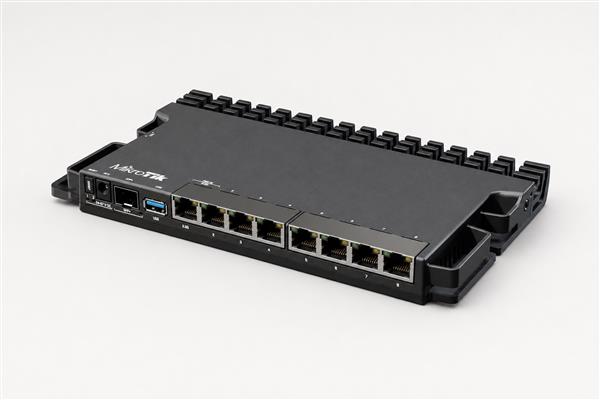
RouterOS Hotspot Setup is a practical process of translating a network plan into controlled RouterOS settings. This can include interface roles, IP addressing, DHCP, DNS, NAT, routing, VLANs, firewall filters, wireless parameters, monitoring and backups. The right mix varies by site. A branch with one connection has different priorities from a business running several providers, guest WiFi, CCTV, cloud services and remote staff access.
Orbitlink Solutions approaches RouterOS Hotspot Setup with a one-stop mindset. The router, switch, access points, power, cabling, fibre modules and rack layout should reinforce each other. That avoids common problems such as a fast router connected through an unsuitable uplink, a guest network that is not properly separated, or a configuration that cannot be recovered when a technician changes.
Start with a clear network plan
Before applying RouterOS Hotspot Setup, document the internet services, existing addressing, critical applications, device count, wireless areas, security boundaries and administration responsibilities. Decide which users need internet only, which systems need priority, and which devices must never reach one another. This makes every later rule easier to explain and test.
Good planning also creates an upgrade path. Leave room for another access point, a faster fibre uplink, a second WAN link, more users or a new office segment. A small amount of preparation reduces rework and helps organisations buy the appropriate MikroTik model rather than relying on a configuration to solve a hardware capacity issue.
Core RouterOS practices
Secure administrator access
RouterOS Hotspot Setup should always include strong unique credentials, restricted management services, trusted administrator IP ranges and regular review of exposed access. Disable services that are not needed, keep records of approved administrators and use encrypted remote access rather than leaving management open to the internet. These fundamentals matter more than a long list of advanced features.
Addressing, DNS and routing
Use an address plan that distinguishes staff, guest, management, cameras, voice and servers where appropriate. Confirm DHCP scopes do not overlap, DNS settings are deliberate and routes follow the intended path. Test from real client devices rather than assuming a successful ping proves that every application will work.
Monitoring and recovery
Configuration exports, protected backups, device naming, interface labels and a simple topology diagram make RouterOS Hotspot Setup easier to support. Monitor link state, resource usage, WAN health and critical services. When a fault occurs, a documented baseline helps teams isolate the cause instead of making risky changes under pressure.
Security and operational discipline
A firewall is a policy, not just a collection of copied rules. For RouterOS Hotspot Setup, define what must be allowed, what must be denied and which traffic needs logging. Place rules in a logical order, comment them, test changes during a suitable window and retain a working rollback path. Avoid exposing management services or relying on default credentials.
Software currency is also important. Review RouterOS releases and hardware compatibility before upgrades, back up the configuration and schedule changes carefully. The official MikroTik Documentation and MikroTik software page are useful authoritative references for current guidance.
Common Kenyan use cases
| Environment | Typical requirement | RouterOS focus |
|---|---|---|
| Home or small office | Secure internet, WiFi and devices | Basic firewalling, DHCP and backup |
| Growing business | VLANs, guest WiFi, CCTV and remote work | Segmentation, policy control and monitoring |
| Multi-site organisation | Branch connectivity and resilient access | VPN design, routing and documented failover |
| Hospitality or public WiFi | Controlled guest access and bandwidth | Hotspot policy, isolation and user management |
Testing RouterOS Hotspot Setup before handover
Test each expected outcome: internet access, DNS resolution, VLAN isolation, guest access, remote connectivity, failover and administration restrictions. Confirm that authorised users can reach what they need and unauthorised paths are blocked. Then record the final settings, credential handover process and support contacts.
This testing step turns RouterOS Hotspot Setup from a theoretical setup into an operational network. It also identifies weak coverage, unsuitable cabling, overlooked power requirements or capacity concerns before they become business interruptions.
Why work with Orbitlink Solutions?
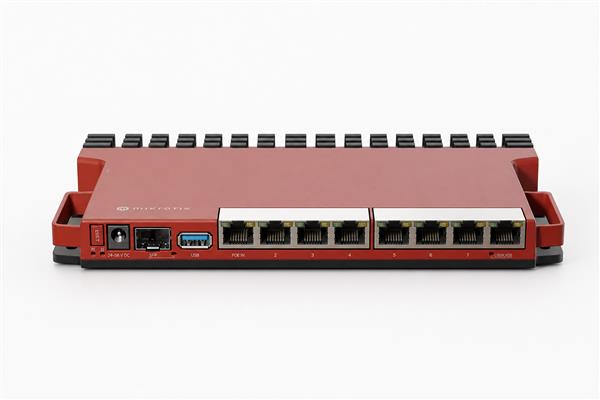
- Genuine equipment: MikroTik routers, switches, wireless devices and accessories for complete deployments.
- Practical guidance: recommendations based on topology, users, applications and budget.
- One-stop supply: networking equipment, PoE, fibre, cabinets, cabling and related accessories.
- Support-minded planning: configurations designed for secure management, monitoring and recovery.
- Nationwide service: procurement support from Nairobi to customers across Kenya.
Frequently Asked Questions
Can RouterOS Hotspot Setup be applied to an existing network?
Yes. Begin with a review of the existing topology, services and risk areas. A staged approach with backups and planned testing is safer than making broad changes during normal business hours.
Do I need a powerful router?
Choose hardware based on real throughput, firewall rules, VPN encryption, queues, user count, interfaces and future growth. Port count alone is not a complete performance measure.
Can Orbitlink Solutions supply the equipment?
Yes. We can help match compatible MikroTik hardware, switches, access points, power options and accessories to the deployment.
Hotspot billing and access design guide
RouterOS Hotspot Setup is most reliable when access policy, payment or voucher workflow, WiFi coverage, routing capacity and support responsibilities are planned together. A hotspot is not simply a login page: it is a controlled service for guests, tenants, students, customers or subscribers who need clear access, predictable bandwidth and a practical route to assistance.
Direct answer: begin by defining who will use the service, how credentials are issued, what happens when time or data expires, which devices must remain isolated, and how operators can see faults. This makes RouterOS Hotspot Setup easier to manage and less likely to interrupt staff or business systems.
Choose the right hotspot model
| Environment | Main requirement | Planning focus |
|---|---|---|
| Hotel or guesthouse | Simple guest access | Coverage, voucher workflow, isolation and support instructions. |
| School or campus | Many changing users | User policy, capacity, safe segmentation and reporting. |
| Retail or café | Guest WiFi without business risk | Separate POS and staff devices, fair bandwidth and easy access. |
| Estate or ISP hotspot | Controlled subscriber service | Authentication, billing integration, monitoring and documented recovery. |
Implementation checklist
Survey the site before configuration. Identify access-point positions, expected user density, cable paths, PoE budget, UPS protection, upstream capacity and business systems that must not share the guest network. Use named VLANs, labelled switch ports and a documented address plan. A clear physical and logical design prevents repeated troubleshooting after launch.
Configure a controlled administrator path, individual credentials, protected backups and a rollback plan. Restrict management access, remove unused services and confirm that guest devices cannot reach staff, CCTV, payment or management networks unless there is a deliberate exception. Test the policy from real client devices.
Billing, vouchers and fair use
Where RouterOS Hotspot Setup connects to a billing or voucher process, make the customer journey clear: how access begins, how a user receives credentials, what service period or package applies, and how help is requested. Avoid misleading promises about speed or unlimited access. A fair-use policy should balance subscriber expectations, upstream capacity and critical business traffic.
Monitor active users, link health, device resources, authentication failures and frequent support requests. These signals help an operator distinguish coverage problems, upstream faults, capacity limitations and account issues. Review the results after peak periods and before adding more users or access points.
Equipment and support planning
Orbitlink Solutions can help match the hotspot router with MikroTik routers, managed switches, access points, PoE, fibre accessories, cabinets and cabling. Buying compatible components together reduces missing ports, unsuitable power or unmanaged bottlenecks later. Use the networking equipment shop or request technical guidance before changing a live service.
More RouterOS Hotspot Setup questions
Can a hotspot keep guests away from business systems?
Yes. Use separate VLANs or networks, then test that guest devices cannot reach staff computers, POS terminals, cameras or management interfaces. Isolation must be verified from real client devices, not assumed from a configuration screen.
How many users can one hotspot support?
Capacity depends on router processing, access-point density, internet service, traffic policy and the applications guests use. Measure actual peak use, include overhead from authentication and firewalling, and leave sensible headroom for growth.
Do I need managed switches?
Managed switches are useful when the design needs VLAN separation, PoE visibility, dedicated uplinks or clear port roles. They help keep the hotspot, staff and management networks organised as the site grows.
How should vouchers be handled?
Use a workflow that staff can explain and support. Record the service period, access method and escalation route, while protecting administrator credentials and avoiding unnecessary personal-data collection.
What should be tested before launch?
Test sign-in, expiry behaviour, guest isolation, DNS, web access, bandwidth policy, coverage, power recovery and administrator restrictions. Keep the final configuration export and topology with the support records.
Can RouterOS Hotspot Setup work with fibre or wireless backhaul?
Yes, provided the router, switches, SFP modules, wireless links and routing policy are planned as one service. Confirm physical compatibility and test failure behaviour, not only basic connectivity.
How often should a hotspot be reviewed?
Review it after changes and during a regular maintenance cycle. Check access controls, backups, user demand, logs, link errors, coverage concerns and whether the original capacity assumptions remain valid.
What are common mistakes?
Common mistakes include sharing the guest network with business devices, underestimating PoE and upstream capacity, leaving default management access, skipping backups and relying on undocumented last-minute changes.
Can Orbitlink Solutions provide the equipment?
Yes. Orbitlink Solutions can help select compatible routing, switching, wireless, fibre, power and accessory options for a hotspot deployment and provide a practical pre-purchase checklist.
Where can I verify current RouterOS guidance?
Check the official MikroTik Documentation. Related Kenyan technology resources include MikroTik Kenya, Fiber Optics Kenya and Starlink Kenya.
Operational standards for a reliable hotspot
A quality hotspot service is measured after customers start using it. Keep a short incident record that notes the time, location, symptom, affected devices and final resolution. This separates recurring coverage concerns from account issues, upstream capacity limits and equipment faults. It also gives the operator evidence for targeted improvements rather than repeated trial-and-error changes.
Power and physical protection matter. Check the PoE budget for every access point, use appropriate UPS capacity for the router, switch and internet handoff, and keep equipment ventilated, labelled and protected from accidental disconnection. Where sites rely on outdoor links or fibre, document the interface type, surge protection, patching and recovery procedure.
Prepare staff and support teams
Staff should know what a normal guest-access process looks like, where to direct a customer who cannot connect, and which changes require an authorised administrator. Give them a concise support checklist instead of broad access to router settings. This reduces security risk and prevents untracked modifications during busy periods.
For a paid or managed service, align customer communication with actual capacity. State access periods, expected coverage zones, contact options and any fair-use conditions clearly. Good communication lowers avoidable support demand and helps customers distinguish a local device issue from a wider service interruption.
Review before expanding
Before adding access points, users or a second location, review peak utilisation, authentication logs, interface errors, device resources and ticket patterns. Confirm that the current router, switching, cabling and uplinks still have sufficient headroom. Expand in stages and test each new segment before exposing it to all users.
Prices, product availability and software releases can change. Reconfirm current specifications, warranty terms and compatibility details before purchase or upgrade. Back up the working configuration first, use a suitable maintenance period and validate access, isolation and recovery after the change.
Recommended next step
Prepare a one-page site brief with expected users, access-point areas, internet service, power availability, existing equipment and the preferred access or voucher workflow. Share it with Orbitlink Solutions for a practical equipment and implementation recommendation. This gives RouterOS Hotspot Setup a documented starting point and makes future support much more straightforward.
Quality checks at handover
Before handover, review the completed service with the owner or support contact. Confirm equipment locations, labels, configuration backup, administrator process, user instructions, topology and supplier details. Test access after a power restart, test the expected isolation between networks and verify that the support route is understood.
Keep this record current whenever the internet provider, access-point layout, billing workflow, routing policy or management team changes. An accurate record prevents a small change from turning into an avoidable outage and makes it easier to identify which part of the service needs attention.
Build confidence through verification
Verification is more useful than assumption. Test a typical guest device, a staff device, an administrator device and any business-critical device against the intended policy. Confirm that each can reach only the services it needs. This gives the operator confidence that RouterOS Hotspot Setup works as designed under everyday conditions.
Finally, monitor the service after launch. Track busy periods, common authentication questions, coverage complaints and link health. Use this evidence to improve the policy, add capacity or adjust coverage deliberately. A managed hotspot remains dependable when decisions are based on measured behaviour, tested changes and clear customer communication.
This approach gives RouterOS Hotspot Setup a sustainable lifecycle from initial equipment selection through daily operation, future upgrades and support.
Use the published guide as a planning reference, then verify the current site-specific details before installation. The right answer depends on the physical environment, number of users, upstream service and the operator’s support model; a short assessment avoids an incomplete deployment.
Final Thoughts
RouterOS Hotspot Setup delivers the best results when coverage, controlled access, billing workflow, security, monitoring and support are treated as one connected service. Orbitlink Solutions can help translate the site requirements into compatible equipment and a documented implementation plan.
RouterOS Hotspot Setup delivers the best result when configuration, security, hardware selection and documentation are treated as one connected task. Orbitlink Solutions helps Kenyan customers build reliable networks that can be operated, supported and expanded with confidence.
Contact Orbitlink Solutions for equipment, configuration support and a practical plan for your RouterOS network.